Choosing the Right Sports Gear: A Comprehensive Comparison Guide
Introduction: Elevating Your Athletic Performance Through Informed Gear Choices
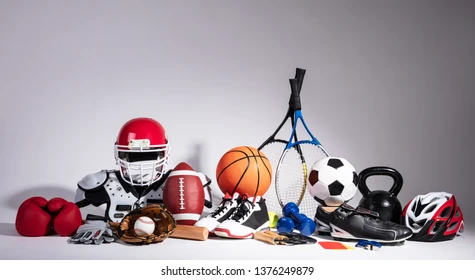
In the dynamic world of sports, the right equipment isn't just an accessory; it's a fundamental component that can significantly impact performance, comfort, and even injury prevention. Whether you're a seasoned athlete pushing your limits or a beginner embarking on a new fitness journey, understanding the nuances of sports gear is paramount. This comprehensive guide delves into a comparative analysis of various popular sports product categories, offering insights into their features, benefits, and ideal use cases. By equipping yourself with knowledge, you can make informed decisions that align with your athletic goals, budget, and specific sport of choice.
Footwear: The Foundation of Athletic Movement
Athletic footwear is arguably the most critical piece of sports equipment. Different sports place unique demands on the feet, necessitating specialized designs. We'll compare three primary categories: running shoes, training shoes, and sport-specific shoes.
Running Shoes: Engineered for Pavement and Trail
Running shoes are meticulously designed to absorb impact, provide cushioning, and promote forward motion. Their primary focus is on reducing stress on the joints during repetitive strides.
- Cushioning: This is a hallmark of running shoes. Different levels of cushioning cater to various preferences and running styles. High-cushion shoes are ideal for long-distance runners or those seeking maximum shock absorption. Minimalist or natural running shoes offer less cushioning for a more grounded feel.
- Support: Running shoes come in neutral, stability, and motion control variations. Neutral shoes are for runners with a neutral foot strike. Stability shoes offer moderate support for those who overpronate (inward rolling of the foot). Motion control shoes provide maximum support for severe overpronation.
- Tread: Road running shoes typically have smoother, flatter soles for optimal grip on hard surfaces. Trail running shoes feature more aggressive lugs for enhanced traction on uneven terrain, mud, and rocks.
- Weight: Lighter running shoes are often preferred by competitive runners for speed, while heavier shoes may offer more durability and cushioning for everyday training.
Training Shoes (Cross-Trainers): Versatility for Diverse Workouts
Training shoes, also known as cross-trainers, are designed for a broad range of activities, making them a versatile choice for gym-goers and multi-sport athletes.
- Lateral Support: Unlike running shoes, training shoes offer more robust lateral (side-to-side) support, crucial for activities involving quick changes in direction, such as aerobics, circuit training, and court sports.
- Midsole Flexibility: The midsole is designed to be flexible enough for forward movements but also stable for multidirectional exercises.
- Durability: Training shoes are generally built to withstand the rigors of various gym activities, including weightlifting and plyometrics.
- Tread: The outsole often features a combination of grip patterns to provide traction on different gym surfaces.
Sport-Specific Shoes: Precision for Peak Performance
These shoes are engineered with the unique demands of a particular sport in mind, offering specialized features for optimal performance and safety.
- Basketball Shoes: High-top designs for ankle support, excellent traction for quick stops and jumps, and responsive cushioning for impact absorption.
- Tennis Shoes: Durable outsoles designed for lateral movement and quick pivots on court surfaces, with reinforced toe boxes to withstand abrasion.
- Soccer Cleats: Studs on the outsole for grip on grass or artificial turf, lightweight construction for agility, and a snug fit for ball control.
- Hiking Boots: Sturdy construction, ankle support, waterproof materials, and aggressive outsoles for traction on varied and challenging terrain.
Comparison Table: Footwear
| Feature | Running Shoes | Training Shoes | Sport-Specific Shoes |
|---|---|---|---|
| Primary Use | Running (road, trail) | Gym workouts, cross-training, general fitness | Specific sports (basketball, tennis, soccer, etc.) |
| Cushioning | High emphasis, varied levels | Moderate, balanced | Tailored to sport's impact needs |
| Support | Neutral, stability, motion control | Good lateral support | Sport-specific (e.g., ankle support for basketball) |
| Tread | Road: smooth; Trail: aggressive lugs | Versatile grip patterns | Designed for specific playing surfaces |
| Flexibility | Primarily forward motion | Multidirectional flexibility | Optimized for sport-specific movements |
Apparel: Comfort, Performance, and Protection
Sports apparel is designed to enhance comfort, regulate body temperature, and facilitate movement. We'll compare synthetic performance fabrics, natural fibers, and protective gear.
Synthetic Performance Fabrics: The Science of Sweat Management
Materials like polyester, nylon, and spandex are engineered to wick moisture away from the skin, keeping athletes dry and comfortable.
- Moisture-Wicking: These fabrics pull sweat to the surface, where it can evaporate quickly, preventing the clammy feeling associated with cotton.
- Breathability: Many synthetic fabrics are designed with mesh panels or specialized weaves to allow air circulation, helping to regulate body temperature.
- Durability: Synthetics are generally strong and resistant to stretching and shrinking, making them long-lasting.
- Stretch and Fit: Spandex (elastane) is often blended with other synthetics to provide excellent stretch and a form-fitting, non-restrictive feel.
- Odor Resistance: Some performance fabrics are treated with antimicrobial agents to inhibit odor-causing bacteria.
Natural Fibers: The Comfort of Nature
While less common for high-intensity activities, natural fibers like cotton and merino wool offer unique benefits.
- Cotton: Known for its softness and comfort, cotton is often preferred for casual athletic wear or low-intensity activities. However, it absorbs moisture and dries slowly, which can be a disadvantage during strenuous exercise.
- Merino Wool: A superior natural fiber for athletic wear, merino wool is exceptionally soft, breathable, and naturally odor-resistant. It also provides excellent temperature regulation, keeping you warm in the cold and cool in the heat. It has some moisture-wicking capabilities but may not be as efficient as high-performance synthetics for extreme sweat.
Protective Gear: Safety First
This category encompasses items designed to prevent injuries, ranging from helmets to padding.
- Helmets: Essential for sports like cycling, American football, hockey, and skiing. They are designed to absorb impact and protect the head from serious injury. Key features include ventilation, adjustable fit systems, and impact-absorbing liners.
- Pads: Knee pads, elbow pads, shin guards, and shoulder pads protect vulnerable joints and body parts from impacts and abrasions. They vary in thickness, coverage, and flexibility depending on the sport.
- Mouthguards: Crucial for contact sports to protect teeth, jaw, and soft tissues of the mouth. They can be boil-and-bite or custom-fitted.
- Protective Eyewear: Safety glasses or goggles are vital in sports like racquetball, squash, and baseball to prevent eye injuries from flying objects.
Comparison Table: Apparel
| Feature | Synthetic Performance Fabrics | Natural Fibers (Cotton) | Natural Fibers (Merino Wool) | Protective Gear |
|---|---|---|---|---|
| Primary Function | Moisture management, breathability, performance | Comfort, casual wear | Temperature regulation, odor resistance, comfort | Injury prevention |
| Moisture Handling | Excellent wicking, quick-drying | Absorbs and holds moisture, slow drying | Good moisture management, breathable | N/A (focus is protection) |
| Temperature Regulation | Good (breathability) | Moderate | Excellent | N/A (focus is protection) |
| Durability | High | Moderate | Moderate to High | High (designed for impact resistance) |
| Stretch/Fit | Excellent (especially with spandex) | Limited | Good | Varies (some flexibility for movement) |
| Best For | High-intensity training, endurance sports | Low-intensity activities, casual wear | Running, hiking, cycling, layering in cold weather | Contact sports, high-impact activities, cycling, skiing |
Equipment: Tools of the Trade
Sports equipment is as diverse as the sports themselves. We'll examine general fitness equipment, specialized equipment for team sports, and equipment for outdoor activities.
General Fitness Equipment: Building a Home Gym Foundation
This category includes items that support a wide range of exercises, from strength training to cardiovascular fitness.
- Dumbbells and Kettlebells: Versatile tools for strength training, offering a wide range of exercises for various muscle groups. Dumbbells are typically used for more controlled movements, while kettlebells excel at dynamic, ballistic exercises.
- Resistance Bands: Lightweight, portable, and affordable, resistance bands offer variable resistance for strength training, stretching, and rehabilitation. They are excellent for home use and travel.
- Jump Ropes: A highly effective and portable tool for cardiovascular conditioning, coordination, and agility. Different types of jump ropes (speed ropes, weighted ropes) cater to different training goals.
- Yoga Mats and Pilates Mats: Provide cushioning and grip for floor exercises, yoga, and Pilates, protecting joints and enhancing stability.
Specialized Equipment for Team Sports: The Heart of the Game
These items are specific to particular team sports and are essential for gameplay.
- Balls: From basketballs and soccer balls to volleyballs and footballs, the type of ball dictates the sport. Factors like size, weight, material, and grip are crucial.
- Racquets and Bats: Tennis racquets, badminton racquets, baseball bats, and cricket bats are designed for striking a ball or shuttlecock with precision and power. Their weight, balance, and string tension (for racquets) are critical performance factors.
- Goals and Nets: Soccer goals, basketball hoops, tennis nets, and volleyball nets define the playing area and are integral to scoring.
- Protective Gear (as mentioned earlier): Crucial for many team sports.
Equipment for Outdoor Activities: Exploring the Elements
This category covers gear for activities like cycling, hiking, and water sports.
- Bicycles: Ranging from road bikes for speed to mountain bikes for off-road adventures and hybrid bikes for versatility, the right bicycle is key to enjoying cycling.
- Backpacks: Essential for hiking and backpacking, with features like capacity, suspension systems, hydration compatibility, and organizational pockets.
- Water Bottles and Hydration Packs: Crucial for staying hydrated during any physical activity, especially outdoors.
- Camping Gear: Tents, sleeping bags, and cooking equipment for multi-day outdoor excursions.
- Water Sports Equipment: Kayaks, paddleboards, surfboards, and snorkeling gear for aquatic adventures.
Comparison Table: Equipment
| Category | Examples | Key Considerations | Primary Benefit |
|---|---|---|---|
| General Fitness | Dumbbells, Resistance Bands, Jump Ropes, Mats | Versatility, space efficiency, cost, effectiveness for target exercises | Strength building, cardiovascular health, flexibility, home convenience |
| Team Sports | Balls, Racquets, Bats, Goals | Sport-specific regulations, material, durability, performance characteristics | Gameplay, skill development, competitive play |
| Outdoor Activities | Bicycles, Backpacks, Hydration Gear, Camping Gear, Water Sports Equipment | Durability, weight, weather resistance, specific terrain/activity suitability, safety features | Exploration, adventure, endurance, enjoyment of nature |
Emerging Trends and Innovations in Sports Gear
The sports industry is constantly evolving, driven by technological advancements and a deeper understanding of biomechanics and athletic performance. Here are some key trends:
- Smart Technology Integration: Wearable devices like smartwatches and fitness trackers are becoming increasingly sophisticated, providing real-time data on heart rate, pace, distance, and even sleep patterns. Some advanced apparel and footwear are also incorporating sensors.
- Sustainable Materials: There's a growing demand for sports gear made from recycled and eco-friendly materials, reflecting a broader societal shift towards sustainability. Brands are exploring innovative materials derived from plant-based sources and recycled plastics.
- 3D Printing and Customization: 3D printing technology is enabling the creation of highly customized sports equipment, from insoles and footwear to protective gear, tailored to individual anatomy and performance needs.
- Advanced Aerodynamics and Ergonomics: In sports like cycling and swimming, significant research is dedicated to optimizing equipment for maximum aerodynamic efficiency and ergonomic comfort, leading to lighter, more streamlined designs.
- Injury Prevention Technology: Beyond traditional protective gear, innovations are emerging in areas like impact-absorbing materials, dynamic support systems, and even AI-powered analysis to predict and mitigate injury risks.
Making the Right Choice: A Personalized Approach
Selecting the ideal sports gear is not a one-size-fits-all endeavor. It requires a personalized approach based on several factors:
- Your Sport(s): The most crucial factor. Different sports have vastly different requirements.
- Your Skill Level and Goals: Beginners may prioritize comfort and durability, while advanced athletes might focus on performance optimization and cutting-edge technology.
- Your Budget: Sports gear can range from budget-friendly to premium. Determine how much you're willing to invest.
- Your Body Type and Biomechanics: Especially important for footwear and apparel, understanding your foot arch, gait, and body shape can lead to better-fitting and more supportive gear.
- Comfort and Fit: Regardless of features, if the gear isn't comfortable, it will hinder your performance and enjoyment. Always try items on if possible.
- Durability and Maintenance: Consider how long you expect the gear to last and the level of care it requires.
Conclusion: Invest in Your Athletic Journey
The world of sports gear is vast and ever-expanding. By understanding the fundamental differences between various product categories, staying abreast of emerging trends, and adopting a personalized approach to your selections, you can make informed decisions that enhance your athletic experience. Investing in the right sports gear is not merely a purchase; it's an investment in your performance, your comfort, and your overall well-being as you pursue your fitness and sporting aspirations.


