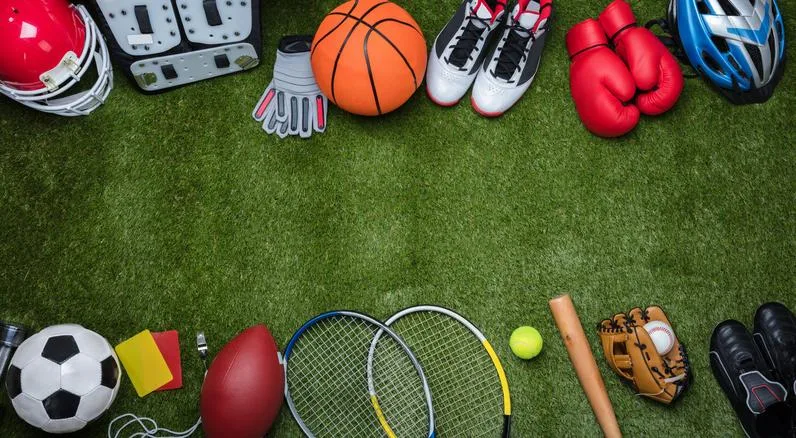
Choosing the Right Sports Gear: A Comprehensive Comparison Guide
The world of sports is vast and varied, offering a plethora of activities for every individual. Whether you're a seasoned athlete or just beginning your fitness journey, having the right gear can significantly enhance your performance, comfort, and enjoyment. This comprehensive guide will delve into various popular sports categories, comparing essential equipment and offering insights to help you make informed purchasing decisions. We'll explore the nuances of different types of footwear, apparel, protective gear, and training aids, focusing on functionality, durability, and suitability for various athletic pursuits.
Footwear: The Foundation of Performance
Footwear is arguably the most critical piece of sports equipment, as it directly impacts your stability, support, and injury prevention. Different sports demand different types of shoes, each designed with specific features to cater to unique movements and surfaces.
Running Shoes: Pavement Pounders vs. Trail Blazers
Running is a popular activity, but the shoes required for road running differ significantly from those for off-road trails.
| Feature | Road Running Shoes | Trail Running Shoes |
|---|---|---|
| Cushioning | High cushioning for shock absorption on hard surfaces. | Moderate cushioning, with more emphasis on responsiveness. |
| Outsole | Smooth, durable rubber for traction on pavement. | Aggressive lugs and deeper tread patterns for grip on dirt, mud, and rocks. |
| Upper | Lightweight, breathable mesh for ventilation. | More durable, often water-resistant materials with protective toe caps. |
| Support | Varying levels of support (neutral, stability, motion control) to address pronation. | Focus on torsional rigidity for stability on uneven terrain. |
When choosing road running shoes, consider your foot type and pronation. Neutral runners benefit from shoes with ample cushioning, while those who overpronate may need stability shoes that offer medial support. Trail running shoes are designed for rugged terrain, prioritizing grip and protection over plush cushioning. Look for shoes with rock plates to shield your feet from sharp objects and aggressive outsoles for maximum traction.
Basketball Shoes: Ankle Support and Court Grip
Basketball involves a lot of jumping, quick stops, and lateral movements, all of which require specialized footwear.
- Ankle Support: High-top designs are common to provide superior ankle stability, reducing the risk of sprains. Some players prefer mid-tops for a balance of support and mobility.
- Cushioning: Impact protection is crucial due to the constant jumping. Look for shoes with responsive cushioning systems in the midsole.
- Traction: Herringbone or circular traction patterns on the outsole are essential for gripping the court and allowing for sharp cuts and pivots.
- Durability: Basketball shoes need to withstand the rigors of intense play, so durable materials in the upper and outsole are important.
The choice between high-tops and mid-tops often comes down to personal preference and past injury history. If you have a history of ankle issues, high-tops are generally recommended. For players who prioritize agility and a wider range of motion, mid-tops might be a better fit.
Cross-Training Shoes: Versatility for Diverse Workouts
For individuals who engage in a variety of fitness activities, from weightlifting to cardio and short runs, cross-training shoes offer a versatile solution.
- Flat, Stable Sole: This provides a solid base for lifting weights and performing exercises that require stability.
- Moderate Cushioning: Enough to absorb impact during short bursts of running or plyometrics, but not so much that it compromises stability.
- Lateral Support: Crucial for side-to-side movements and agility drills.
- Durability: Designed to withstand the stresses of various training modalities.
Cross-trainers are not ideal for long-distance running or sports that require specialized footwear like basketball or tennis. However, for a general fitness enthusiast, they offer an excellent balance of features for a wide range of workouts.
Apparel: Comfort, Performance, and Protection
Sports apparel goes beyond mere aesthetics; it plays a vital role in regulating body temperature, wicking away moisture, and providing comfort during physical activity. The materials used are key to its functionality.
Moisture-Wicking Fabrics: Staying Dry and Comfortable
The ability of your clothing to manage sweat is paramount, especially during intense workouts or in warm conditions. Moisture-wicking fabrics pull sweat away from your skin to the outer surface of the fabric, where it can evaporate.
- Polyester Blends: Commonly used for their durability, moisture-wicking properties, and quick-drying capabilities.
- Nylon: Similar to polyester, offering good moisture management and strength.
- Merino Wool: A natural fiber that excels at wicking moisture, regulating temperature, and resisting odor. It remains warm even when damp.
- Spandex/Elastane: Often blended with other fabrics to provide stretch and a snug, supportive fit.
Avoid cotton for activewear, as it absorbs moisture and becomes heavy, leading to chafing and discomfort. Look for labels that explicitly state "moisture-wicking" or "quick-drying."
Compression Gear: Enhancing Performance and Recovery
Compression apparel, including socks, sleeves, and full-body suits, applies graduated pressure to muscles and blood vessels.
- Improved Blood Circulation: The compression can help to increase blood flow, delivering more oxygen to muscles and aiding in waste removal.
- Muscle Support: It can help to stabilize muscles, reducing vibration and potentially improving performance.
- Reduced Fatigue: Some athletes report feeling less fatigued during and after exercise when wearing compression gear.
- Faster Recovery: Post-exercise, compression can aid in reducing muscle soreness and accelerating the recovery process.
While the scientific evidence for performance enhancement is mixed, many athletes find compression gear beneficial for comfort and recovery. It's particularly popular in endurance sports like running and cycling, as well as in team sports.
Layering for Different Conditions: Adapting to the Elements
Effective layering allows you to adapt your clothing to changing weather conditions, ensuring you stay comfortable whether it's hot, cold, or windy.
| Layer | Purpose | Typical Materials | Examples |
|---|---|---|---|
| Base Layer | Wicks moisture away from the skin. | Moisture-wicking synthetics (polyester, nylon), Merino wool. | T-shirts, long-sleeved tops, leggings. |
| Mid Layer | Provides insulation to trap body heat. | Fleece, down, synthetic insulation. | Fleece jackets, down vests, insulated hoodies. |
| Outer Layer | Protects against wind and rain. | Waterproof/water-resistant and windproof materials (Gore-Tex, nylon with DWR coating). | Rain jackets, windbreakers, ski jackets. |
The key to successful layering is to avoid overheating. Start with a thin base layer and add or remove mid and outer layers as needed. Breathability is crucial for all layers to prevent moisture buildup.
Protective Gear: Safety First
For many sports, protective gear is not optional; it's essential for preventing serious injuries. The type and level of protection needed vary greatly depending on the sport's inherent risks.
Head Protection: Helmets for Various Sports
Helmets are designed to absorb impact and protect the skull from traumatic brain injuries. Different sports require different helmet designs.
- Cycling Helmets: Lightweight, well-ventilated, with a focus on protecting the top and sides of the head.
- Ski/Snowboard Helmets: Offer more coverage, including the back of the head, and are often insulated for warmth.
- Contact Sports Helmets (Football, Hockey): Feature hard shells and significant padding to protect against high-impact collisions.
- Skateboarding/BMX Helmets: Often have a more rounded profile and robust padding to protect against falls on hard surfaces.
When choosing a helmet, ensure it meets relevant safety standards (e.g., CPSC for cycling, ASTM for snow sports). A proper fit is paramount; the helmet should sit level on your head and feel snug without being uncomfortable. Use the adjustment system to achieve a secure fit.
Joint Protection: Knee Pads, Elbow Pads, and Shin Guards
Sports involving falls, impacts, or repetitive stress on joints require protective pads.
- Knee Pads: Essential for sports like skateboarding, rollerblading, volleyball, and basketball, where falls and impacts to the knees are common. Look for models with good padding and a secure strap system.
- Elbow Pads: Protect against abrasions and impacts during falls in similar sports.
- Shin Guards: Primarily used in sports like soccer and hockey to protect the lower legs from kicks and pucks.
The level of padding and the material of the protective gear should match the risk of the sport. For high-impact activities, thicker padding and more rigid materials are recommended. For sports with lower impact risks, lighter and more flexible options may suffice.
Mouthguards: Protecting Teeth and Jaw
Mouthguards are vital in contact sports like boxing, martial arts, rugby, and American football to protect teeth, lips, tongue, and jaw from injury.
- Stock Mouthguards: The cheapest and most readily available, but offer a less precise fit and can be bulky.
- Boil-and-Bite Mouthguards: Can be molded to the user's teeth for a better fit than stock options.
- Custom-Molded Mouthguards: Professionally fitted by a dentist, offering the best comfort, fit, and protection.
While custom mouthguards are the most expensive, they provide the highest level of protection and comfort, making them a worthwhile investment for serious athletes.
Training Aids: Enhancing Skills and Fitness
Beyond essential gear, training aids can help athletes improve their technique, build strength, and enhance their overall fitness.
Resistance Bands: Versatile Strength Training
Resistance bands are a portable and versatile tool for strength training, offering variable resistance that can be adjusted based on the band's thickness and length.
- Full-Body Workouts: Can be used for a wide range of exercises targeting all major muscle groups.
- Rehabilitation and Injury Prevention: Gentle resistance is ideal for rebuilding strength after an injury or for pre-habilitation exercises.
- Portability: Lightweight and easy to carry, making them perfect for home workouts or travel.
- Cost-Effective: Generally much cheaper than traditional weights.
Resistance bands come in various forms, including loop bands, tube bands with handles, and therapy bands. Choose bands with varying resistance levels to create a progressive training program.
Foam Rollers: Myofascial Release and Recovery
Foam rollers are used for self-myofascial release, a type of massage that helps to relieve muscle tightness and soreness.
- Muscle Soreness Relief: Can help to break up knots and adhesions in muscles, improving flexibility and reducing post-workout soreness.
- Improved Range of Motion: Regular use can increase flexibility and improve joint mobility.
- Injury Prevention: By keeping muscles supple, foam rolling can help to reduce the risk of strains and other injuries.
Foam rollers come in different densities and textures. Beginners might prefer a softer, smoother roller, while more experienced users may opt for a firmer or textured roller for a deeper massage.
Agility Ladders and Cones: Improving Footwork and Speed
These tools are fundamental for sports that require quick feet, change of direction, and explosive movements.
- Agility Ladders: Used to improve foot speed, coordination, and agility through a variety of footwork drills.
- Cones: Versatile for marking drills, creating obstacle courses, and practicing directional changes.
These aids are invaluable for athletes in sports like soccer, basketball, tennis, and track and field, where agility and quickness are key performance indicators.
Conclusion: Making the Smart Choice
Selecting the right sports gear is a crucial step in maximizing your athletic potential and ensuring your safety and enjoyment. By understanding the specific needs of your chosen sport and the features of different equipment categories, you can make informed decisions that will support your fitness journey. Remember to consider factors like fit, material, durability, and the specific demands of your activity. Investing in quality gear is an investment in your performance and well-being, allowing you to push your limits and achieve your sporting goals with confidence.

