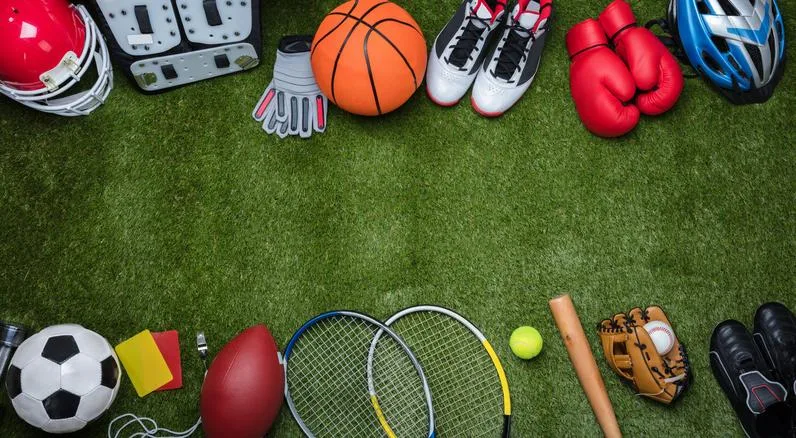
Choosing the Right Sports Gear: A Comprehensive Comparison Guide
The world of sports offers a vast array of activities, each demanding specific equipment to ensure optimal performance, safety, and enjoyment. Whether you're a seasoned athlete or a weekend warrior, making informed decisions about your sports gear can significantly impact your experience. This guide delves into a comparison of popular product categories within the sports niche, helping you navigate the options and select the best fit for your needs.
Understanding the Importance of Sports Gear
Sports gear isn't just about looking the part; it's a critical component of athletic pursuit. Properly chosen equipment can:
- Enhance Performance: Lighter materials, better aerodynamics, and ergonomic designs can give you an edge.
- Prevent Injuries: Protective gear, supportive footwear, and equipment designed for specific movements are vital for safety.
- Increase Comfort: Breathable fabrics, moisture-wicking properties, and well-fitting apparel contribute to a more enjoyable experience.
- Improve Durability and Longevity: Investing in quality gear often means it will last longer, offering better value over time.
- Boost Confidence: Feeling well-equipped and prepared can significantly impact your mental approach to the sport.
With the sheer volume of options available, choosing the right gear can be overwhelming. This comparison aims to break down some of the most common product types and help you make educated choices.
Footwear: The Foundation of Athletic Performance
Footwear is arguably the most crucial piece of sports equipment, as it directly impacts your connection to the ground and your body's biomechanics. Different sports have vastly different demands on the feet, necessitating specialized designs.
Running Shoes vs. Training Shoes
While both are designed for athletic activity, running shoes and training shoes serve distinct purposes.
| Feature | Running Shoes | Training Shoes (Cross-Trainers) |
|---|---|---|
| Primary Purpose | Forward motion, shock absorption, cushioning for repetitive impact. | Multi-directional movement, stability, support for varied exercises. |
| Cushioning | High, especially in the heel and forefoot, to absorb impact. | Moderate, balanced for stability and responsiveness. |
| Support | Varies by pronation type (neutral, stability, motion control). | Lateral support for side-to-side movements, often a wider base. |
| Flexibility | Flexible in the forefoot for a natural stride. | Less flexible than running shoes, designed for more rigid support. |
| Tread/Outsole | Durable rubber with specific patterns for traction on various surfaces (road, trail). | Often flatter and more versatile for grip on gym floors and other surfaces. |
| Best For | Road running, trail running, treadmill workouts. | Gym workouts, weightlifting, HIIT, cross-training, circuit training. |
Key Considerations: When choosing running shoes, understand your foot strike and pronation. For training shoes, consider the types of exercises you'll be performing most frequently. A dedicated runner should invest in running shoes, while someone engaging in a variety of gym activities will benefit more from training shoes.
Trail Running Shoes vs. Road Running Shoes
Even within running, the terrain dictates the shoe. Trail running shoes are built for rugged, uneven surfaces, while road running shoes are optimized for pavement.
- Trail Running Shoes: Feature aggressive outsoles with deep lugs for superior grip on dirt, mud, and rocks. They often have reinforced uppers for protection against trail debris and more durable materials. Cushioning might be slightly firmer to provide better ground feel and stability on uneven terrain.
- Road Running Shoes: Prioritize cushioning and shock absorption for the repetitive impact of running on hard surfaces like asphalt. Their outsoles are typically smoother for consistent traction on pavement and are designed for flexibility to allow for a natural foot roll.
Key Considerations: If your runs primarily take place on trails, trail running shoes are essential for safety and performance. If you stick to roads or treadmills, road running shoes are the better choice.
Apparel: Comfort, Performance, and Protection
Sports apparel has evolved far beyond simple cotton t-shirts. Modern athletic wear is engineered with advanced fabrics and designs to enhance comfort and performance.
Compression Apparel vs. Regular Athletic Wear
Compression garments have gained significant popularity for their purported benefits.
| Feature | Compression Apparel | Regular Athletic Wear |
|---|---|---|
| Material | Tight-fitting, elastic synthetic fabrics (e.g., spandex, nylon) designed to apply pressure. | Wider range of fabrics, including cotton, polyester, and blends, with varying fits. |
| Fit | Snug, body-hugging to exert graduated pressure. | Loose, relaxed, or athletic fit depending on the garment and sport. |
| Primary Benefits | Improved blood circulation, reduced muscle fatigue and soreness, enhanced muscle support, potential for faster recovery. | Comfort, breathability, freedom of movement, moisture-wicking (depending on fabric). |
| Muscle Support | Provides a feeling of muscle stabilization and reduced vibration. | Minimal to moderate support, depending on the cut and fabric. |
| Best For | Endurance sports, post-workout recovery, athletes seeking to minimize muscle fatigue. | General fitness, team sports, activities where freedom of movement is paramount. |
Key Considerations: While research on the performance-enhancing benefits of compression wear is ongoing, many athletes report feeling less fatigued and recovering faster. If you're looking for an edge in endurance or a quicker recovery, compression gear is worth considering. For everyday comfort and unrestricted movement, regular athletic wear remains a solid choice.
Moisture-Wicking Fabrics vs. Cotton
The choice of fabric can significantly impact your comfort during physical activity.
- Moisture-Wicking Fabrics: These synthetic materials (like polyester, nylon, and specific blends) are engineered to pull sweat away from your skin and disperse it across the fabric's surface, where it can evaporate quickly. This keeps you drier and cooler.
- Cotton: While comfortable for casual wear, cotton absorbs moisture and holds onto it. This can lead to a heavy, damp feeling, increased chafing, and a potential for chilling in cooler temperatures.
Key Considerations: For any activity involving significant sweating, moisture-wicking fabrics are vastly superior to cotton. This is especially true for running, cycling, and intense training sessions. Cotton is generally best avoided for strenuous workouts.
Protective Gear: Safety First
Depending on the sport, protective gear is not optional; it's essential for preventing serious injuries.
Helmets: Cycling vs. Skiing/Snowboarding
Helmets are designed to absorb impact and protect the head, but their specific features vary based on the sport.
| Feature | Cycling Helmets | Skiing/Snowboarding Helmets |
|---|---|---|
| Primary Impact Protection | Designed for rotational and linear impacts common in falls from a bike. Often incorporate MIPS (Multi-directional Impact Protection System) or similar technologies. | Engineered for impacts from falls on snow, collisions with objects, and potential falls at higher speeds. |
| Ventilation | Extensive vents for maximum airflow to keep the rider cool during exertion. | Fewer, strategically placed vents, often with adjustable closures to retain warmth in cold conditions. |
| Coverage | Typically covers the crown of the head and the back of the head, with a brim for sun protection. | Often offer more rearward and side coverage for enhanced protection against various impact angles. |
| Integration | Lightweight and streamlined to minimize wind resistance. | May include features for goggle integration and headphone compatibility. |
| Durability | Designed to withstand a single significant impact. After a crash, replacement is highly recommended. | Similar to cycling helmets, designed for single impact protection. |
Key Considerations: Always wear a helmet certified for the specific sport you are participating in. A cycling helmet is not designed for the types of impacts encountered in skiing, and vice versa. Ensure a proper fit for maximum effectiveness.
Protective Padding: Skateboarding vs. Contact Sports
Padding protects joints and extremities from abrasions and impacts.
- Skateboarding/Rollerblading Pads: Typically include knee pads, elbow pads, and wrist guards. They are designed to withstand sliding impacts and falls on hard surfaces. Wrist guards are particularly crucial to prevent fractures.
- Contact Sports Padding (e.g., Football, Hockey): This includes shoulder pads, shin guards, mouthguards, and sometimes rib protectors. These are designed to absorb direct, high-impact collisions and protect against forceful tackles and sticks.
Key Considerations: The level of protection needed varies greatly. For activities with a high risk of falls and scrapes, like skateboarding, robust wrist and elbow protection is paramount. For sports involving direct physical contact, comprehensive padding is non-negotiable for safety.
Equipment for Specific Sports: A Glimpse
Beyond the general categories, many sports require highly specialized equipment.
Bags and Backpacks: Gym vs. Hiking
The type of bag you need depends on its intended use.
| Feature | Gym Bags | Hiking Backpacks |
|---|---|---|
| Capacity | Typically smaller to medium-sized, designed to hold workout clothes, shoes, water bottle, and personal items. | Varying capacities, from small daypacks to large multi-day packs, designed to carry more gear, food, and water. |
| Compartmentalization | Often feature a separate shoe compartment, wet/dry pockets, and internal organizers. | Multiple compartments, including hydration reservoir sleeves, sleeping bag compartments, and external attachment points for gear. |
| Support System | Generally have simple shoulder straps, sometimes a padded handle. | Feature robust suspension systems with padded shoulder straps, sternum straps, and hip belts for load distribution and comfort during long treks. |
| Durability & Weather Resistance | Durable materials, but often less emphasis on extreme weatherproofing. | Made from highly durable, often water-resistant materials with rain covers for protection in various outdoor conditions. |
| Best For | Transporting gear to and from the gym, sports classes, or short trips. | Carrying essential supplies for day hikes or multi-day backpacking adventures. |
Key Considerations: A gym bag is designed for convenience and organization of everyday workout essentials. A hiking backpack is engineered for comfort and load-bearing over extended periods in the wilderness.
Water Bottles: Reusable Plastic vs. Insulated Stainless Steel
Staying hydrated is crucial, and your water bottle plays a role.
- Reusable Plastic Bottles: Lightweight, affordable, and widely available. Many are BPA-free. They are convenient for everyday use and short workouts.
- Insulated Stainless Steel Bottles: More durable, can keep beverages cold for many hours (or hot), and are generally considered more eco-friendly in the long run. They are heavier and more expensive upfront but offer superior temperature control.
Key Considerations: For intense workouts or long outdoor activities, an insulated bottle is a game-changer for keeping your water refreshingly cold. For casual gym sessions or shorter activities, a good quality reusable plastic bottle will suffice.
Emerging Trends in Sports Gear
The sports gear industry is constantly innovating. Here are a few trends to watch:
- Smart Technology Integration: Wearable tech that tracks performance metrics (heart rate, cadence, speed), smart apparel that monitors biometrics, and even smart equipment that provides real-time feedback.
- Sustainable Materials: An increasing focus on using recycled and eco-friendly materials in apparel and equipment to reduce environmental impact.
- Personalized Fit and Customization: Advances in 3D scanning and manufacturing allow for more customized footwear and equipment tailored to individual anatomy and biomechanics.
- Lightweight and Aerodynamic Designs: Continuous efforts to reduce weight and improve aerodynamic efficiency in equipment for sports like cycling, running, and even team sports.
Making the Right Choice: A Final Checklist
When selecting sports gear, consider these factors:
- Your Sport(s): What specific activities will you be engaging in?
- Your Level of Play: Are you a beginner, intermediate, or advanced athlete?
- Your Budget: Determine how much you're willing to invest.
- Fit and Comfort: This is paramount for performance and injury prevention. Try items on whenever possible.
- Durability and Quality: Investing in well-made gear often pays off in the long run.
- Safety Features: Especially critical for protective equipment. Ensure it meets relevant safety standards.
- Maintenance: Consider how easy the gear is to clean and maintain.
By understanding the nuances between different types of sports gear and considering your individual needs, you can make informed purchasing decisions that will enhance your athletic journey, keep you safe, and allow you to fully enjoy the sports you love.