The Ultimate Guide to Choosing Home Accessories: Elevating Your Living Space
Your home is a reflection of your personality, a sanctuary where comfort meets style. While furniture provides the foundation of a room, it is the home accessories that truly breathe life into the space. From textiles and lighting to decorative accents and wall art, the right accessories can transform a mundane room into a curated masterpiece. However, navigating the vast world of home decor can be overwhelming. This comprehensive guide will walk you through everything you need to know about selecting the perfect home accessories to elevate your living environment.
Understanding the Role of Home Accessories in Interior Design
Home accessories are the "jewelry" of a room. They serve several critical functions that go beyond simple aesthetics. First, they add layers of texture and color, preventing a room from feeling flat or clinical. Second, they provide an opportunity to showcase personal interests, travel memories, and unique taste. Finally, they offer a cost-effective way to update a room's look without the need for major renovations or furniture replacements.
When selecting accessories, the goal is to achieve a balance between functionality and decorative appeal. A well-accessorized home feels lived-in yet intentional, where every item has a purpose or a story to tell.
Essential Categories of Home Accessories
To master the art of accessorizing, it helps to categorize items by their function and visual impact. Here are the primary categories you should consider:
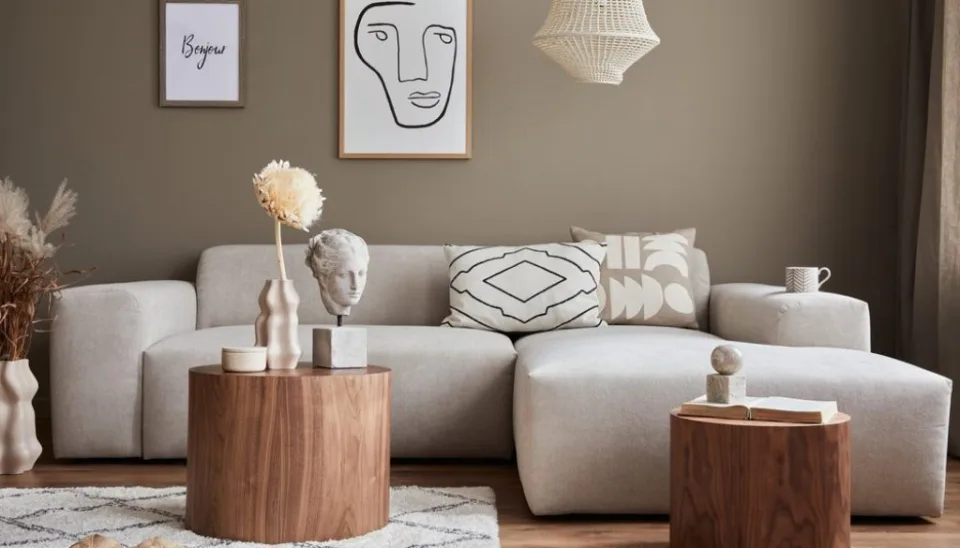
- Textiles: Throw pillows, blankets, area rugs, and curtains. These provide softness and comfort.
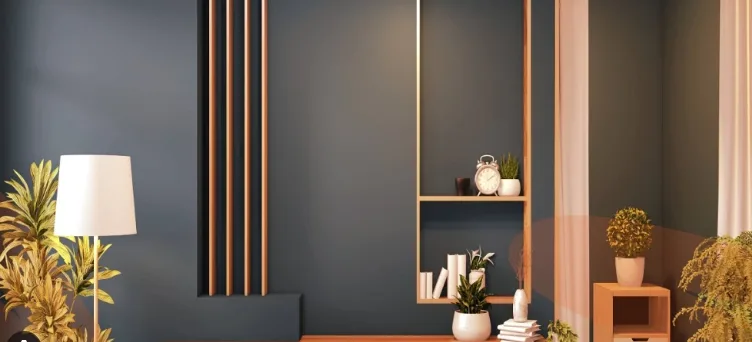
- Lighting: Table lamps, floor lamps, and decorative candles. Lighting sets the mood and highlights specific areas.
- Wall Decor: Mirrors, framed art, wall sculptures, and clocks. These add vertical interest.
- Decorative Objects: Vases, sculptures, books, and trinkets. These add personality to shelves and tabletops.
- Greenery: Indoor plants and floral arrangements. These bring life and organic shapes into the home.
How to Choose Accessories: A Strategic Buying Guide
Before you start shopping, it is important to have a strategy. Buying items impulsively often leads to a cluttered home with no cohesive theme. Follow these steps to make informed choices:
1. Define Your Design Style
Are you drawn to the minimalism of Scandinavian design, the warmth of rustic farmhouse, or the sleekness of modern industrial? Knowing your style helps narrow down the materials and colors that will work in your space. For instance, a brass geometric sculpture might look out of place in a cozy cottage-style living room, whereas a hand-woven basket would fit perfectly.
2. The Rule of Three and Scale
When arranging accessories, designers often use the "Rule of Three." Items grouped in odd numbers, particularly three, tend to be more visually appealing and balanced. Additionally, pay close attention to scale. A tiny vase on a massive dining table will look lost, while a large rug that is too small for the room will make the space feel cramped. Always measure your surfaces before purchasing.
3. Texture and Material Mixing
A room with only one type of texture—such as all wood or all metal—can feel monotonous. To create visual interest, mix and match materials. Combine the softness of a wool throw with the hardness of a ceramic vase, or the warmth of wood with the coolness of glass. This contrast creates depth and makes a room feel more sophisticated.
Comparison Table: Choosing the Right Materials for Your Space
| Material | Best For | Vibe/Aesthetic | Maintenance Level |
|---|---|---|---|
| Natural Wood | Tables, Shelves, Frames | Warm, Organic, Timeless | Low |
| Glass/Crystal | Vases, Lighting, Mirrors | Modern, Airy, Elegant | Moderate (Fingerprints) |
| Metal (Brass/Steel) | Lamps, Sculptures, Hardware | Industrial, Glamorous, Sleek | Low |
| Textiles (Linen/Wool) | Pillows, Rugs, Throws | Cozy, Soft, Inviting | High (Needs cleaning) |
Current Trends in Home Accessories
While classic pieces are always a safe bet, incorporating current trends can make your home feel fresh and contemporary. Currently, the design world is leaning toward "biophilic" elements—accessories that connect us to nature. This includes stone accents, earthy terracotta pots, and organic, asymmetrical shapes.
Another rising trend is "curated vintage." Instead of buying mass-produced decor, people are opting for unique, pre-loved items that offer a sense of history. Whether it’s a vintage brass candlestick or a mid-century modern bowl, these items add a layer of authenticity that new products often lack.
Tips for Maintaining Your Home Accessories
Once you have invested in high-quality home accessories, proper maintenance is key to keeping them looking their best. Here are a few maintenance tips:
- Dust Regularly: Use a microfiber cloth for hard surfaces to prevent dust buildup, which can dull finishes over time.
- Rotate Your Decor: You don't have to display everything at once. Keep some items in storage and rotate them seasonally to keep your home feeling fresh.
- Sun Protection: Be mindful of placing delicate textiles or colored art in direct sunlight, as UV rays can cause fading.
- Handle with Care: For fragile items like ceramics or glass, ensure they are placed on stable surfaces away from high-traffic areas where they might be knocked over.
Common Mistakes to Avoid
Even seasoned decorators can fall into traps when choosing accessories. Here are the most common mistakes to watch out for:
Over-accessorizing (Clutter)
The biggest mistake is having too many items. If every surface is covered, the eye has nowhere to rest. Leave some empty space (often called "negative space") to allow your favorite pieces to shine.
Ignoring Lighting
Accessories look different under different lighting conditions. Always consider how your decor will look at night. Adding a small accent lamp or a candle can completely change the mood of a shelf or corner.
Ignoring the "Flow"
Your accessories should create a cohesive story throughout your home. If your living room is coastal-themed and your dining room is heavy industrial, the transition can feel jarring. Try to carry a common color palette or a recurring material through your home to tie the spaces together.
How to Shop for Home Accessories on a Budget
You do not need to spend a fortune to accessorize your home beautifully. Here is how to shop smart:
- Focus on High-Impact Items: If you have a limited budget, invest in a few high-quality statement pieces (like a large mirror or a beautiful rug) rather than dozens of small, cheap trinkets.
- Shop Second-Hand: Thrift stores, estate sales, and online marketplaces are treasure troves for unique accessories.
- DIY When Possible: Sometimes the best accessory is a framed piece of art you created yourself or a plant you propagated.
- Prioritize Versatility: Choose items that can move from room to room. A neutral-colored throw pillow or a simple glass vase can be used in almost any room in the house.
Conclusion: Crafting Your Personal Sanctuary
Choosing home accessories is an evolving process. It is not a race to finish a room, but rather a journey of discovery. As your tastes change and you grow, your home should grow with you. By selecting items that you genuinely love, paying attention to quality and scale, and maintaining your pieces with care, you can create a space that is not only beautiful but deeply personal.
Remember, the best-accessorized homes are those that tell a story. Whether it is a bowl from a summer trip, a family heirloom, or a modern piece that caught your eye, let your accessories reflect who you are. With the tips provided in this guide, you are well on your way to mastering the art of home styling and creating a sanctuary that feels truly like home.