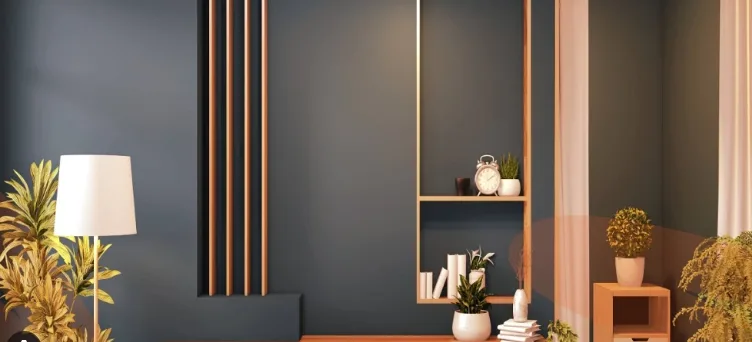
The Ultimate Guide to Choosing Home Accessories: Elevating Your Living Space
Your home is more than just a place to live; it is a reflection of your personality, your tastes, and your lifestyle. While furniture provides the foundation for any room, it is the home accessories that truly breathe life into a space. From the soft glow of a well-placed lamp to the texture of a carefully chosen throw pillow, home accessories are the finishing touches that transform a house into a curated home.
However, the sheer volume of options available can be overwhelming. Whether you are moving into a new space or looking to refresh your current decor, this comprehensive guide will walk you through the essential principles of selecting home accessories that harmonize with your style and elevate your living environment.
Understanding the Role of Home Accessories in Interior Design
Home accessories, often referred to as "decor accents," are items that serve both functional and aesthetic purposes. They are the details that tie a room together, adding layers, depth, and character. Without accessories, a room can feel sterile or unfinished. With the right selection, even the most basic furniture can look high-end and intentional.
The primary roles of home accessories include:
- Creating Focal Points: A bold piece of art or a statement vase can draw the eye and anchor a room.
- Adding Texture and Depth: Mixing materials like velvet, wool, metal, and glass prevents a space from feeling one-dimensional.
- Introducing Color: Accessories are the safest and most affordable way to experiment with color trends without committing to permanent changes like painting walls.
- Reflecting Personal Style: Items like travel souvenirs, books, and family heirlooms add a layer of storytelling to your home.
The Core Categories of Home Accessories
To navigate the world of home decor effectively, it helps to categorize your needs. Here are the main pillars of home accessories that every homeowner should consider:
1. Textiles and Soft Furnishings
Textiles are essential for comfort. They soften the hard edges of furniture and provide a tactile experience. This category includes throw pillows, blankets, area rugs, and curtains. When choosing these, consider both the material—such as organic cotton for a casual look or silk for elegance—and the color palette.
2. Lighting Solutions
Lighting is the "jewelry" of a room. Beyond overhead lights, task and accent lighting are crucial. Table lamps, floor lamps, and decorative wall sconces add warmth and create a layered lighting effect that makes a space feel inviting.
3. Wall Decor
Walls are blank canvases waiting to be personalized. Mirrors, gallery walls, canvas art, and wall-mounted shelves not only decorate the space but can also manipulate the perception of room size and brightness.
4. Decorative Objects and Accents
This category covers smaller items like vases, candle holders, sculptures, and coffee table books. These are the "personality" pieces that should be swapped or updated periodically to keep your decor feeling fresh.
Strategic Tips for Selecting the Right Accessories
Choosing accessories is an art form that requires balance. Here are professional tips to ensure your selections enhance your home rather than cluttering it.
The Rule of Three
When arranging accessories, the "rule of three" is a design classic. Objects arranged in odd numbers—specifically three—tend to be more visually appealing and balanced. Vary the heights, shapes, and textures of the items in the group to create interest.
Balance Scale and Proportion
A common mistake is choosing accessories that are too small for the space. A tiny vase on a massive dining table will look lost. Conversely, oversized items can overwhelm a small shelf. Always measure your surfaces and consider the scale of the furniture nearby before making a purchase.
Create a Cohesive Color Palette
You don't need to match everything, but you should aim for a cohesive theme. Use the 60-30-10 rule: 60% of the room is your main color, 30% is a secondary color, and 10% is your accent color (often found in your smaller home accessories).
Buying Guide: Key Factors to Consider Before Purchasing
Before you start browsing, use this checklist to make informed decisions that save you time and money.
| Consideration | Why It Matters | Pro-Tip |
|---|---|---|
| Functionality | Does the item serve a purpose or just take up space? | Prioritize items that are both beautiful and useful. |
| Quality of Materials | Lower-quality items may fade or break quickly. | Invest in natural materials like wood, stone, or high-quality metals. |
| Room Traffic | High-traffic areas need durable accessories. | Avoid fragile items on low tables if you have pets or children. |
| Budget Allocation | Accessories can add up quickly. | Spend more on statement pieces; save on smaller, seasonal accents. |
Current Trends in Home Accessories
While trends come and go, some styles have a lasting impact on how we accessorize our homes. Currently, the industry is seeing a shift toward "warm minimalism" and "biophilic design."
1. Bringing the Outdoors In
Biophilic design focuses on connecting with nature. This includes using organic shapes, raw wood, stone, and an abundance of indoor plants. Terracotta pots, woven baskets, and botanical prints are trending heavily as people seek to create calming, nature-inspired sanctuaries.
2. Sustainable and Eco-Conscious Decor
More than ever, consumers are looking for accessories made from recycled materials, reclaimed wood, or ethically sourced textiles. Choosing items with a lower environmental footprint is not just a trend; it is becoming a standard for conscious living.
3. Maximalist Personality
After years of stark minimalism, many homeowners are embracing "maximalism"—the art of displaying collections, mixing patterns, and layering colors. This trend encourages you to showcase items that have personal meaning, making your home feel lived-in and authentic.
How to Maintain Your Home Accessories
Investing in beautiful home accessories is only half the battle; maintaining them ensures they remain a focal point for years to come. Here is a simple maintenance schedule:
- Textiles: Vacuum rugs weekly and follow care labels for washing pillows and throws to prevent dust accumulation.
- Glass and Metal: Use microfiber cloths to wipe down mirrors and metallic surfaces to prevent fingerprints and water spots.
- Wood and Stone: Use specialized oils or waxes to nourish wooden decor and seal stone surfaces to prevent staining.
- Seasonal Rotation: Don’t feel the need to display every accessory at once. Store items seasonally to prevent visual clutter and give your home a fresh look throughout the year.
Common Mistakes to Avoid
Even seasoned decorators can fall into traps. Avoid these common pitfalls when shopping for home accessories:
- Buying "Matchy-Matchy" Sets: Buying a set of identical items (like a matching lamp, vase, and clock) can make a room look like a showroom catalog. Mix and match styles for a more curated, collected look.
- Ignoring Negative Space: Not every surface needs to be filled. Negative space (empty space) is essential for allowing the eye to rest and highlighting the pieces you do choose to display.
- Following Trends Too Closely: Trends are great for inspiration, but don't buy an item just because it is popular. Ensure it fits your personal style and the overall aesthetic of your home.
Final Thoughts: Curating Your Personal Sanctuary
Selecting home accessories is an evolving process. Your tastes may change, and your home should be flexible enough to grow with you. The key is to start with pieces that bring you joy and serve a purpose. By focusing on quality, texture, and balance, you can create a space that feels uniquely yours—a sanctuary that welcomes you home at the end of every day.
Remember, there is no "right" way to decorate. Whether you prefer the clean lines of Scandinavian design or the eclectic warmth of bohemian style, the best home accessories are the ones that make you feel comfortable, inspired, and truly at home. Start small, experiment with different arrangements, and enjoy the process of curating your living space one piece at a time.


