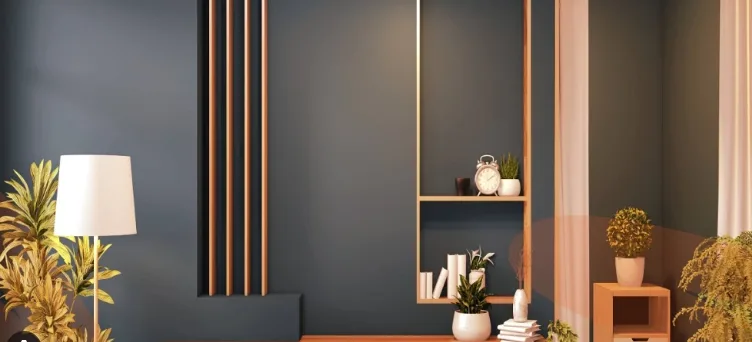
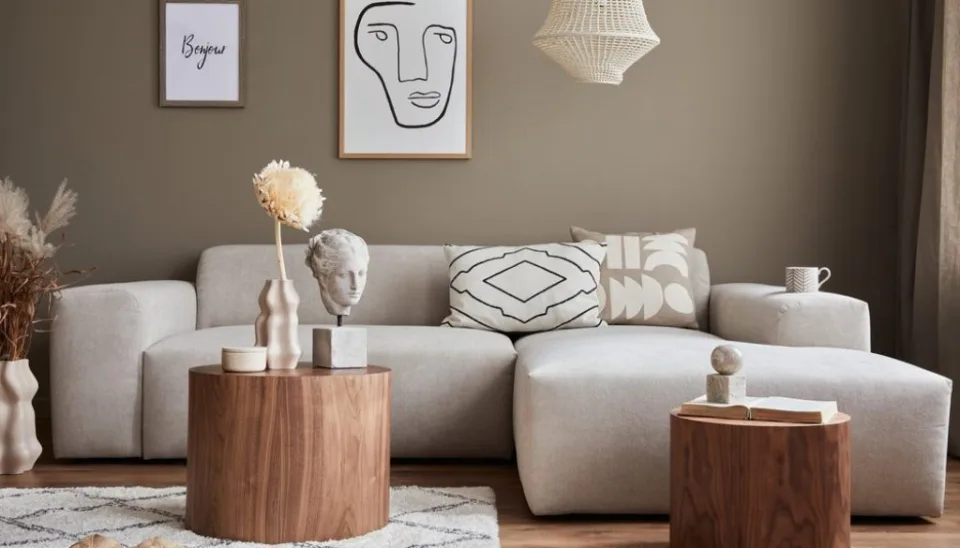
The Ultimate Guide to Choosing the Perfect Home Accessories
Your home is more than just a structure; it's a sanctuary, a reflection of your personality, and a space where memories are made. While furniture forms the foundation of any room, it's the carefully selected home accessories that truly breathe life into your living spaces, infusing them with character, comfort, and style. From the subtle elegance of decorative pillows to the functional beauty of lighting, home accessories are the finishing touches that transform a house into a home.
Navigating the vast world of home accessories can be both exciting and overwhelming. With countless options available, it's easy to get lost in trends or make impulse purchases that don't quite fit your vision. This comprehensive guide is designed to empower you with the knowledge and confidence to make informed decisions when selecting home accessories. We'll delve into various categories, explore current trends, offer practical tips for selection, and guide you through the process of curating a cohesive and stylish environment that you'll love.
Understanding the Role of Home Accessories
Before we dive into specific product types and selection strategies, it's crucial to understand the fundamental role home accessories play in interior design. They are not merely decorative items; they serve multiple purposes:
- Enhancing Aesthetics: Accessories are the primary tools for adding color, texture, pattern, and visual interest to a room. They can break up monotonous spaces and create focal points.
- Improving Functionality: Many accessories, such as lighting, storage solutions, and even certain decorative items, offer practical benefits that enhance the usability of a space.
- Expressing Personality: The items you choose to display tell a story about who you are. They can showcase your hobbies, travel experiences, cultural influences, and personal taste.
- Creating Ambiance: Lighting, scent diffusers, and soft furnishings like throws and cushions contribute significantly to the mood and atmosphere of a room, making it feel more inviting and comfortable.
- Defining Style: Accessories are key in solidifying a particular interior design style, whether it's minimalist, bohemian, modern, or traditional.
Key Categories of Home Accessories
The realm of home accessories is expansive, encompassing a wide array of items. To simplify your selection process, we can broadly categorize them:
1. Textiles: The Soft Touch
Textiles are arguably the most impactful category of home accessories, offering immediate warmth, comfort, and visual appeal. They introduce color, pattern, and texture, softening hard lines and creating a cozy atmosphere.
- Cushions & Throws: These are the workhorses of comfort. They can instantly update the look of a sofa or armchair, add a pop of color, or introduce a new texture. Consider materials like cotton, linen, velvet, or faux fur for different aesthetics and seasons.
- Rugs: A well-chosen rug can anchor a room, define different zones within an open-plan space, and add warmth underfoot. They come in various materials (wool, jute, synthetic), patterns, and sizes.
- Curtains & Blinds: Beyond their functional role in controlling light and privacy, curtains and blinds are significant design elements. They can add drama, softness, or a sleek finish to your windows.
- Table Linens: From placemats and runners to tablecloths and napkins, table linens elevate dining experiences and add a touch of sophistication to your kitchen or dining room.
2. Lighting: Illuminating Your Space
Lighting is more than just a utility; it's a critical design element that shapes the mood and functionality of a room. Layering different types of lighting is key to creating a well-lit and inviting space.
- Ambient Lighting: This is the general illumination of a room, typically provided by ceiling fixtures or floor lamps.
- Task Lighting: Focused light for specific activities, such as reading lamps beside a chair or under-cabinet lighting in the kitchen.
- Accent Lighting: Used to highlight specific features, like artwork or architectural details, often with spotlights or picture lights.
- Decorative Lighting: Items like chandeliers, pendant lights, and string lights that are as much about their aesthetic appeal as their light output.
3. Decorative Objects: Personal Touches
These are the items that truly express your individuality and add personality to your home.
- Vases & Planters: Whether holding fresh flowers or standing alone, vases and planters add a touch of nature and artistic flair. Consider their material, shape, and color to complement your decor.
- Sculptures & Figurines: These can be abstract or representational, adding a sculptural element and a conversation starter to shelves, mantels, or tables.
- Candles & Diffusers: Beyond their visual appeal, candles and diffusers create ambiance through scent and soft, flickering light, contributing to a relaxing and inviting atmosphere.
- Mirrors: Mirrors are functional and decorative. They can make a space feel larger and brighter by reflecting light, and their frames can serve as a statement piece.
- Wall Art: Paintings, prints, photographs, and tapestries are powerful tools for adding color, personality, and a focal point to your walls.
4. Storage & Organization: Stylish Solutions
Clutter can detract from even the most beautiful interiors. Stylish storage solutions are essential for maintaining a tidy and harmonious home.
- Baskets & Bins: Versatile for storing everything from blankets and toys to magazines and toiletries. They come in natural materials like wicker and rattan, or modern options like metal and fabric.
- Trays: Perfect for corralling smaller items on coffee tables, ottomans, or dressers. They can also be used to group decorative objects or serve drinks.
- Decorative Boxes: A chic way to hide away remotes, keys, or other small essentials.
- Shelving Units: From floating shelves to freestanding bookcases, these provide display and storage space for books, art, and other cherished items.
5. Tableware & Serveware: Dining Elegance
The items you use to serve and enjoy your meals can significantly impact your dining experience and the overall aesthetic of your kitchen and dining area.
- Dinnerware Sets: Plates, bowls, and mugs in various materials and styles.
- Glassware: From everyday tumblers to elegant wine glasses.
- Serving Platters & Bowls: Essential for presenting food attractively.
- Cutlery: The finishing touch to any table setting.
Current Trends in Home Accessories
Staying abreast of current trends can help you make contemporary choices, but remember to infuse them with your personal style to ensure longevity.
1. Natural & Sustainable Materials
There's a growing emphasis on eco-friendly and sustainable materials. Think rattan, bamboo, jute, recycled glass, and organic cotton. These materials not only look good but also align with a more conscious lifestyle.
2. Biophilic Design Elements
Bringing the outdoors in continues to be a strong trend. This includes incorporating more plants, natural textures, and colors inspired by nature. Accessories like botanical prints, ceramic planters, and natural wood accents fit perfectly here.
3. Textured Neutrals
While bold colors have their place, there's a resurgence of interest in textured neutrals. Think chunky knit throws, linen cushions with subtle patterns, and ceramic pieces with unique glazes. These create a sophisticated and calming atmosphere.
4. Vintage & Retro Revival
Incorporating vintage finds or retro-inspired pieces adds character and a sense of history to a home. This could be anything from a mid-century modern lamp to antique decorative objects.
5. Bold Patterns & Colors (Strategic Use)
While neutrals are popular, bold patterns and colors are being used strategically as accent pieces. A vibrant cushion, a statement rug, or a piece of colorful artwork can add a playful and dynamic element to a room.
6. Smart Home Integration
As technology evolves, so do home accessories. Smart lighting systems, voice-activated speakers with aesthetic designs, and other integrated tech are becoming more common and stylish.
Tips for Choosing the Right Home Accessories
Selecting accessories is an art. Here are some practical tips to guide your choices:
1. Define Your Style and Color Palette
Before you buy anything, have a clear understanding of your desired interior design style and the color palette you want to work with. This will prevent you from making scattered purchases that don't harmonize.
2. Consider Scale and Proportion
The size of your accessories should be in proportion to the size of your room and the furniture they are placed with. A tiny vase on a large coffee table will look lost, while an oversized lamp might overwhelm a small side table.
3. Layer Textures and Materials
A room with only smooth surfaces can feel sterile. Mix and match different textures – soft throws, rough-hewn wood, smooth ceramics, woven baskets – to add depth and visual interest.
4. Create Focal Points
Use accessories to draw the eye. A striking piece of wall art, a uniquely shaped lamp, or a collection of curated objects can serve as a focal point, giving your room a sense of purpose.
5. Functionality Meets Form
Always consider the practical use of an accessory. A beautiful tray is more useful if it's also sturdy enough to carry items. A decorative basket should be large enough to hold what you need it to.
6. Don't Be Afraid to Mix and Match
While cohesion is important, don't be afraid to introduce a few pieces that stand out. A pop of unexpected color or a contrasting style can add personality and prevent your decor from feeling too matchy-matchy.
7. Consider the Lighting in Your Space
How will your accessories look under different lighting conditions? A metallic accent might gleam beautifully in natural light but look dull under harsh artificial light. Test items if possible.
8. Less Can Be More
It's tempting to fill every surface, but sometimes, a few well-chosen, impactful pieces are more effective than an abundance of smaller items. Avoid clutter.
9. Think About the Senses
Home accessories engage more than just sight. Consider how they feel (texture), how they smell (scented candles, natural materials), and even how they sound (e.g., a wind chime if appropriate). This creates a more immersive experience.
A Practical Buying Guide: What to Look For
When you're out shopping for home accessories, keep these considerations in mind for each category:
| Category | Key Considerations | Things to Look For |
|---|---|---|
| Textiles (Cushions, Throws, Rugs) | Material, durability, washability, colorfastness, size, pattern, texture. | Natural fibers (cotton, linen, wool) for breathability and texture. High-density weaves for durability. Stain-resistant treatments for high-traffic areas. Patterns that complement or contrast existing decor. |
| Lighting (Lamps, Fixtures) | Type of light (warm, cool), brightness (lumens), style, material, energy efficiency (LED), bulb type. | Dimmable options for versatility. Materials that complement your decor (metal, wood, glass, fabric). Shades that diffuse light softly. Energy-efficient bulbs to save on electricity. |
| Decorative Objects (Vases, Sculptures, Mirrors) | Material, craftsmanship, uniqueness, size, color, how it complements existing decor. | Hand-finished details for a unique touch. Materials that add visual interest (ceramic, metal, glass, wood). Mirrors with decorative frames to act as art. Items that reflect your personal interests. |
| Storage & Organization (Baskets, Trays, Boxes) | Capacity, durability, material, ease of cleaning, aesthetic appeal. | Sturdy construction for heavier items. Natural materials like wicker or seagrass for a warm, organic feel. Stackable or nesting options for space-saving. Lidded containers to conceal clutter. |
| Tableware & Serveware | Material (porcelain, stoneware, glass, metal), durability, dishwasher/microwave safe, style, number of pieces. | Chip-resistant materials for everyday use. Lightweight options for ease of handling. Classic designs for timeless appeal or trendy pieces for a modern update. |
Curating Your Home Accessories: A Step-by-Step Approach
Creating a harmonious collection of home accessories is an ongoing process. Here's a structured approach:
Step 1: Assess Your Current Space
Before buying anything new, take stock of what you already have. What are you missing? What needs updating? What items do you truly love and want to showcase?
Step 2: Establish a Vision
Refer back to your style and color palette. Gather inspiration from magazines, Pinterest, or design blogs. Create a mood board if it helps visualize your desired outcome.
Step 3: Prioritize Key Pieces
Start with the accessories that will have the biggest impact or address the most pressing needs. This might be a new rug to anchor your living room, a set of decorative cushions to update your sofa, or essential task lighting.
Step 4: Layer and Add Details
Once your foundational pieces are in place, begin layering in smaller accessories. This is where you add personality with artwork, decorative objects, and smaller textiles.
Step 5: Edit and Refine
Periodically review your accessories. Are there items that no longer serve their purpose or fit your evolving style? Don't be afraid to declutter and make space for new additions.
Conclusion
Home accessories are the unsung heroes of interior design. They are the elements that transform a house into a personalized and comfortable sanctuary. By understanding the role of different accessory categories, staying aware of current trends, and applying practical selection tips, you can confidently curate a collection that not only enhances the beauty of your home but also reflects your unique personality and lifestyle. Remember that the process of decorating is a journey, and your home accessories are the vibrant brushstrokes that bring your vision to life. Embrace the creativity, enjoy the process, and create a space that truly feels like you.