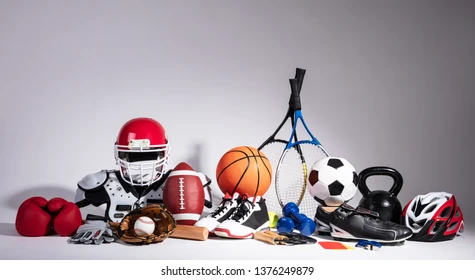
The Ultimate Guide to Choosing the Right Sports Equipment for Your Fitness Journey
Embarking on a new fitness journey or looking to upgrade your current training routine can be an exhilarating experience. However, the sheer volume of sports equipment available on the market today can be overwhelming. Whether you are a weekend warrior, an aspiring athlete, or someone simply looking to improve your overall health, selecting the right gear is crucial for performance, safety, and long-term consistency.
This comprehensive guide is designed to help you navigate the complexities of sports equipment selection. By understanding the fundamentals of quality, utility, and personal fit, you can make informed decisions that turn your fitness goals into reality.
Understanding Your Fitness Goals Before You Shop
Before you spend a dime on equipment, it is essential to define what you want to achieve. Sports equipment is highly specialized, and buying the wrong gear can lead to frustration or, worse, injury. Ask yourself the following questions:
- What is the primary activity? Are you focusing on cardiovascular endurance, strength training, flexibility, or a team sport?
- Where will you be training? Home gyms have different space and equipment requirements compared to outdoor sports or gym-based activities.
- What is your current fitness level? Beginners often benefit from versatile, multi-purpose equipment, while advanced athletes may require specialized, high-performance gear.
Key Considerations for Selecting High-Quality Sports Gear
Quality should always take precedence over price. Investing in durable equipment saves money in the long run and provides a safer training environment. Here are the pillars of selecting quality sports gear:
1. Material and Durability
Always inspect the materials used. For example, in strength training equipment, solid steel is superior to plastic-coated alternatives. In apparel and footwear, look for moisture-wicking, breathable fabrics that provide adequate support and durability under stress.
2. Ergonomics and Fit
Equipment that doesn't fit your body type can lead to poor form and repetitive strain injuries. If you are buying footwear, ensure there is proper arch support and cushioning. If you are buying gym machines, ensure they are adjustable to your height and limb length.
3. Safety Features
Never compromise on safety. Look for certifications from recognized sporting goods regulatory bodies. Features like locking mechanisms on weight racks, non-slip surfaces on yoga mats, and high-impact protection in helmets are non-negotiable.
Comparison of Essential Equipment Categories
To help you prioritize your purchases, the following table breaks down common sports equipment based on their primary function and utility.
| Category | Examples | Best For | Key Selection Tip |
|---|---|---|---|
| Cardio Equipment | Jump ropes, resistance bands, stationary bikes | Endurance & Weight Loss | Focus on portability and space-saving designs. |
| Strength Training | Dumbbells, kettlebells, weight plates | Muscle Growth & Toning | Prioritize grip comfort and weight increment options. |
| Recovery & Mobility | Foam rollers, massage guns, yoga mats | Injury Prevention | Look for appropriate density levels for your muscle soreness. |
| Field & Court Sports | Balls, rackets, cleats | Agility & Coordination | Select based on the playing surface (e.g., indoor vs. outdoor). |
How to Choose Footwear: The Foundation of Every Sport
Footwear is arguably the most important piece of sports equipment. Your feet are the base of your kinetic chain; if they are not properly supported, the impact travels upward to your ankles, knees, and hips.
Running vs. Cross-Training Shoes
Many beginners make the mistake of using running shoes for everything. Running shoes are designed for linear, forward motion and provide maximum heel-to-toe cushioning. Conversely, cross-training shoes offer lateral stability and a flatter sole, which is necessary for movements like side-stepping, lifting weights, or agility drills. Always choose the shoe that matches your specific activity.
The Rise of Smart Technology in Sports
Technology has revolutionized how we train. Wearable devices and smart equipment now provide real-time data on heart rate, cadence, power output, and recovery status. When integrating technology into your gear, consider the following:
- Data Accuracy: Does the device track the metrics that actually matter for your sport?
- Integration: Does it sync with the apps you already use to track your progress?
- Ease of Use: A device that is too complicated will eventually be left in a drawer. Choose intuitive interfaces.
Maintenance Tips to Extend the Life of Your Gear
Once you have invested in your sports equipment, maintenance is the key to longevity. Proper care ensures that your gear remains safe and effective for years to come.
Regular Cleaning
Sweat is corrosive. After every workout, wipe down your equipment—whether it’s a yoga mat, a weight bench, or a treadmill console—with a mild, disinfectant solution. This prevents the buildup of bacteria and keeps the materials from degrading prematurely.
Proper Storage
Store equipment in a cool, dry place. Extreme temperatures and humidity can cause rubber to crack, metal to rust, and synthetic fabrics to lose their elasticity. Use wall mounts or storage racks to keep items off the floor, which helps maintain their shape and prevents tripping hazards.
Routine Inspections
Before every session, perform a quick "safety check." Look for frayed cables on gym machines, worn-out treads on shoes, or loose bolts on weight racks. Addressing small issues immediately prevents major accidents later.
Common Pitfalls to Avoid When Buying Sports Gear
Even experienced athletes can fall into traps when shopping for new gear. Avoiding these common mistakes will save you both time and money:
- The "Newest Model" Trap: Just because a product is the latest release doesn't mean it’s the best for your needs. Often, previous models offer identical functionality at a fraction of the price.
- Ignoring User Reviews: While you should be wary of fake reviews, look for common themes in feedback. If dozens of users mention a specific durability issue, take it seriously.
- Overbuying: Don't buy a full gym setup before you have established a consistent routine. Start with the essentials and expand your collection as your dedication grows.
- Ignoring Professional Advice: If you are unsure about a piece of technical equipment, speak to a certified trainer or a coach. They have firsthand experience with what works and what doesn't.
The Psychological Impact of the Right Gear
Never underestimate the "look good, feel good, play good" factor. Investing in high-quality sports gear can serve as a powerful psychological motivator. When you put on a pair of comfortable running shoes or pick up a well-balanced kettlebell, it signals to your brain that it is time to work. This ritualistic aspect of preparing your gear can help you overcome inertia and maintain consistency in your fitness routine.
Conclusion: Building Your Arsenal for Success
Choosing the right sports equipment is a journey of self-discovery. It is about understanding your body’s needs, respecting the demands of your chosen sport, and prioritizing your long-term health. By focusing on quality, proper fit, and regular maintenance, you are not just buying "stuff"—you are investing in your physical performance and well-being.
Start small, focus on the essentials, and gradually build an arsenal of gear that supports your unique goals. Whether you are hitting the track, the court, or the weight room, the right equipment will be the silent partner that helps you push past your limits and achieve new heights in your fitness journey.