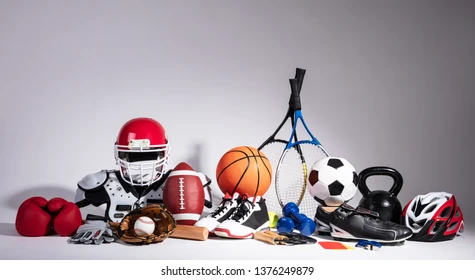
The Ultimate Guide to Choosing the Right Sports Gear: A Comparison of Top Options
In the dynamic world of sports, having the right equipment can make all the difference between a mediocre performance and achieving your personal best. Whether you're a seasoned athlete or just starting your fitness journey, selecting the appropriate gear is crucial for comfort, safety, and optimal performance. This comprehensive guide will delve into a comparison of popular sports gear categories, offering insights to help you make informed decisions. We'll explore various options within each category, highlighting their pros, cons, and ideal use cases, all within the broad and exciting realm of sports.
I. Footwear: The Foundation of Athletic Performance
Your feet are your primary point of contact with the ground, making athletic footwear arguably the most critical piece of equipment. The wrong shoes can lead to discomfort, injuries, and hinder your ability to perform. We'll compare some of the most common types of athletic shoes.
A. Running Shoes: Engineered for Pavement and Trail
Running shoes are designed to provide cushioning, support, and shock absorption to protect your feet and joints from the repetitive impact of running. They come in various forms, catering to different running styles and terrains.
1. Road Running Shoes
These are the workhorses for most runners, built for hard, even surfaces like asphalt and concrete. They typically offer ample cushioning and a smooth ride.
- Pros: Excellent shock absorption, comfortable for long distances, good energy return.
- Cons: Can be less durable on rough terrain, may lack aggressive traction.
- Best For: Marathon runners, casual joggers, those running on paved paths.
2. Trail Running Shoes
Designed for off-road adventures, trail running shoes boast aggressive outsoles for superior grip on uneven surfaces like dirt, mud, and rocks. They often feature enhanced protection against trail debris.
- Pros: Exceptional traction, durable construction, protective features (e.g., rock plates).
- Cons: Can feel stiffer and less cushioned on hard surfaces, may be heavier.
- Best For: Trail runners, hikers, those who frequently encounter varied and challenging terrain.
3. Stability Running Shoes
For runners who overpronate (their foot rolls inward excessively), stability shoes offer medial support to help control foot motion and prevent injuries.
- Pros: Helps correct overpronation, provides a more stable stride, reduces risk of certain injuries.
- Cons: Can feel restrictive for neutral runners, may not be as flexible.
- Best For: Overpronators, runners seeking extra support.
4. Neutral Running Shoes
These shoes are designed for runners with a neutral gait, meaning their foot lands and rolls naturally. They prioritize cushioning and flexibility.
- Pros: Lightweight, flexible, excellent cushioning, suitable for a wide range of runners.
- Cons: May not provide enough support for those who overpronate or supinate.
- Best For: Neutral runners, those with high arches, runners who prioritize comfort and a natural feel.
B. Cross-Training Shoes: Versatility for Diverse Workouts
Cross-training shoes are built for a variety of athletic activities, offering a balance of support, cushioning, and stability. They are ideal for gym-goers who participate in multiple types of workouts.
- Pros: Versatile for different exercises (lifting, cardio, agility drills), good lateral support, durable.
- Cons: May not excel in any single discipline as much as specialized shoes, cushioning might be less than dedicated running shoes.
- Best For: Gym workouts, HIIT classes, circuit training, general fitness.
C. Court Shoes: Agility and Support for Lateral Movements
Designed for sports like basketball, tennis, and volleyball, court shoes provide excellent ankle support and traction for quick, multi-directional movements.
- Pros: Superior lateral support, excellent grip for quick stops and starts, often durable.
- Cons: Can be heavier and less flexible than running shoes, cushioning might be geared towards impact from jumping.
- Best For: Basketball, tennis, volleyball, racquetball, and other court-based sports.
II. Apparel: Comfort, Performance, and Protection
Athletic apparel is more than just sportswear; it's engineered to enhance your performance, regulate body temperature, and protect you from the elements. We'll compare different types of athletic clothing based on their primary functions and materials.
A. Moisture-Wicking Fabrics: Staying Dry and Comfortable
These fabrics are designed to pull sweat away from your skin to the surface of the garment, where it can evaporate. This keeps you dry and prevents chafing and overheating.
- Common Materials: Polyester, nylon, spandex blends.
- Pros: Excellent at managing sweat, quick-drying, lightweight, reduces chafing.
- Cons: Can sometimes retain odors, may not offer as much warmth as natural fibers.
- Best For: High-intensity activities, endurance sports, warm weather training.
B. Compression Gear: Enhancing Circulation and Recovery
Compression garments apply gentle pressure to muscles, which is believed to improve blood circulation, reduce muscle fatigue, and aid in post-exercise recovery.
- Common Uses: Sleeves, socks, tights, tops.
- Pros: May reduce muscle soreness, improve blood flow, provide a feeling of support.
- Cons: Can be tight and uncomfortable for some, effectiveness for recovery is still debated in some studies.
- Best For: Endurance athletes, post-workout recovery, those seeking muscle support.
C. Thermal Wear: Insulation for Cold-Weather Sports
Designed to trap body heat and provide insulation, thermal wear is essential for athletes training or competing in cold conditions.
- Common Materials: Wool (merino), fleece, synthetic blends.
- Pros: Excellent insulation, warmth retention, some materials (like merino wool) are breathable and moisture-wicking.
- Cons: Can be bulky, may cause overheating during intense activity if not layered properly.
- Best For: Winter sports, cold-weather running and cycling, outdoor training in low temperatures.
D. Protective Gear: Safety First
Depending on the sport, protective gear is paramount to prevent injuries. This category is highly sport-specific.
| Sport | Key Protective Gear | Purpose |
|---|---|---|
| Cycling | Helmet, padded shorts, gloves | Head protection, impact absorption, comfort, grip |
| Contact Sports (e.g., Football, Rugby) | Helmet, shoulder pads, mouthguard, shin guards | Head impact reduction, torso protection, dental protection, leg injury prevention |
| Skiing/Snowboarding | Helmet, goggles, wrist guards, padded clothing | Head protection, eye protection, wrist injury prevention, impact absorption |
| Martial Arts | Mouthguard, groin protector, headgear, sparring gloves | Dental protection, groin injury prevention, head impact reduction, hand protection |
III. Sports Equipment: Tools for Skill and Performance
Beyond footwear and apparel, the actual equipment used in sports is what enables athletes to perform specific actions and compete. This is a vast category, so we'll focus on a few universally popular examples.
A. Balls: The Heart of Many Sports
The type of ball used significantly impacts gameplay. Size, weight, material, and texture all play a role.
- Soccer Balls: Designed for kicking and control, typically made of leather or synthetic materials. Sizes vary for different age groups.
- Basketballs: Larger and heavier, designed for dribbling, shooting, and passing. Grippy texture is crucial.
- Tennis Balls: Felt-covered rubber balls, designed for speed and bounce on court.
- Baseballs: Hard leather-covered balls with a cork and rubber core, designed for pitching and hitting.
B. Rackets and Paddles: Precision and Power
Used in sports like tennis, badminton, squash, and pickleball, these tools translate a player's swing into force and accuracy.
- Tennis Rackets: Vary in weight, head size, and string tension, affecting power, control, and spin.
- Badminton Rackets: Much lighter than tennis rackets, designed for fast rallies and delicate shots.
- Pickleball Paddles: Typically made of composite materials, offering a good balance of power and control for this fast-growing sport.
C. Weights and Resistance Training Equipment: Building Strength
Essential for strength training and conditioning, this category includes a wide range of tools.
- Dumbbells: Versatile for a multitude of exercises, available in fixed weights or adjustable sets.
- Barbells: Used for heavier compound lifts like squats, deadlifts, and bench presses.
- Kettlebells: Offer a unique range of motion for dynamic movements, improving strength and cardiovascular fitness.
- Resistance Bands: Portable and versatile, offering variable resistance for a full-body workout.
D. Cardiovascular Equipment: Enhancing Endurance
For improving cardiovascular health and endurance, various machines are available.
- Treadmills: Mimic outdoor running and walking, offering adjustable speed and incline.
- Elliptical Trainers: Provide a low-impact cardio workout, engaging both upper and lower body.
- Stationary Bikes: Offer a great cardio workout with varying resistance levels and seating positions.
- Rowing Machines: Provide a full-body, low-impact workout that targets multiple muscle groups.
IV. Trends in Sports Gear: Innovation and Sustainability
The sports industry is constantly evolving, with new technologies and materials emerging to enhance performance and user experience. Two significant trends are:
A. Smart Technology Integration
Wearable technology and smart devices are increasingly integrated into sports gear. This includes:
- Smartwatches and Fitness Trackers: Monitor heart rate, track steps, distance, calories burned, and provide GPS data.
- Smart Apparel: Garments with embedded sensors to track biomechanics, muscle activity, and body temperature.
- Smart Equipment: Balls or rackets with sensors to analyze performance metrics like speed, spin, and impact.
These technologies provide valuable data for athletes to analyze their performance, identify areas for improvement, and optimize training regimens.
B. Sustainable and Eco-Friendly Materials
With a growing awareness of environmental impact, there's a significant push towards sustainable sports gear. This involves:
- Recycled Materials: Using recycled plastics, rubber, and textiles in the manufacturing of shoes, apparel, and equipment.
- Natural and Biodegradable Materials: Exploring the use of materials like organic cotton, bamboo, and cork.
- Eco-Conscious Manufacturing Processes: Reducing water usage, energy consumption, and chemical waste during production.
Choosing sustainable options not only supports environmental responsibility but also often leads to innovative and high-quality products.
V. How to Choose the Right Sports Gear: A Practical Approach
Navigating the vast array of sports gear can be overwhelming. Here’s a step-by-step approach to help you make the best choices:
A. Identify Your Sport and Activity Level
This is the most crucial first step. Are you a casual hiker, a competitive runner, a gym enthusiast, or a team sport player? Your chosen sport will dictate the primary requirements for your gear.
B. Understand Your Body and Needs
- Foot Type: For footwear, consider your arch height and pronation. A gait analysis at a specialized store can be invaluable.
- Body Shape and Size: Ensure apparel fits comfortably and allows for a full range of motion.
- Injury History: If you have a history of injuries, consider gear that offers extra support or protection.
C. Prioritize Comfort and Fit
No matter how advanced or feature-rich a piece of gear is, if it's not comfortable, it won't be effective. Always try on footwear and apparel before purchasing, and ensure a proper fit that doesn't restrict movement or cause irritation.
D. Consider Durability and Quality
Investing in well-made, durable gear will save you money in the long run and ensure reliable performance. Read reviews and research brands known for their quality craftsmanship.
E. Set a Budget
Sports gear can range from budget-friendly to high-end. Determine how much you're willing to spend and look for the best value within your budget. Remember that sometimes, investing a little more in quality can pay off.
F. Seek Expert Advice
Don't hesitate to consult with sales professionals at specialty sports stores. They can offer personalized recommendations based on your needs and the specific products they carry.
Conclusion
Selecting the right sports gear is an integral part of any athletic pursuit. By understanding the different categories of footwear, apparel, and equipment, and by considering emerging trends and your individual needs, you can make informed decisions that will enhance your performance, ensure your safety, and maximize your enjoyment of your chosen sport. Whether you're lacing up for a marathon, hitting the gym, or taking to the court, the right gear is your silent partner in achieving your athletic goals.