The Ultimate Guide to Choosing Your Next Sports Gear: A Comparative Analysis
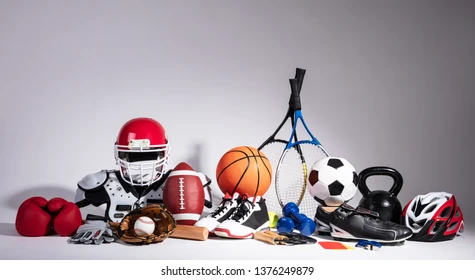
In the dynamic world of sports, the right equipment can be the difference between a personal best and a frustrating plateau. Whether you're a seasoned athlete pushing your limits or a beginner taking your first steps, understanding the nuances of sports gear is crucial. This comprehensive guide will delve into a comparative analysis of popular product categories within the sports niche, helping you make informed decisions to elevate your performance, enhance your enjoyment, and ensure your safety.
Understanding the Core Needs of Athletes
Before we dive into specific product comparisons, it's essential to recognize the fundamental needs that drive athletic gear choices. These needs are universal, regardless of the sport:
- Performance Enhancement: Gear that helps you move faster, jump higher, react quicker, or maintain endurance.
- Comfort and Fit: Equipment that feels like an extension of your body, preventing distractions and discomfort.
- Durability and Longevity: Products built to withstand the rigors of training and competition, offering good value for money.
- Safety and Injury Prevention: Protective gear that minimizes the risk of sprains, fractures, and other common sports injuries.
- Versatility: In some cases, gear that can be used across multiple sports or training disciplines.
- Breathability and Moisture Wicking: Fabrics and materials that keep you cool and dry, even during intense activity.
Comparing Essential Sports Gear Categories
The sports landscape is vast, encompassing everything from team sports to individual pursuits. We'll focus on some of the most common and impactful gear categories where making the right choice significantly impacts your experience.
Footwear: The Foundation of Performance
Your feet are your primary point of contact with the ground, making athletic footwear arguably the most critical piece of equipment. The type of shoe you need is highly dependent on the sport you play.
Running Shoes vs. Training Shoes
This is a common point of confusion for many fitness enthusiasts. While both are designed for athletic activity, their specific purposes differ significantly.
| Feature | Running Shoes | Training Shoes (Cross-Trainers) |
|---|---|---|
| Primary Focus | Forward motion, cushioning for impact, energy return. | Stability, lateral support, multi-directional movement. |
| Cushioning | High levels of cushioning, particularly in the heel and forefoot, to absorb shock from repetitive impact. | Moderate cushioning, designed for comfort during various exercises rather than extreme impact absorption. |
| Support | Designed for linear movement, offering pronation control (for overpronators) or neutral support. | Excellent lateral (sideways) support to prevent ankle rolls during drills like lunges, shuffles, and jumps. |
| Sole Design | Often features a more flexible sole with specialized tread patterns for grip on various running surfaces. | Typically has a flatter, wider sole for increased stability and a more robust tread for grip on gym floors or varied terrains. |
| Ideal For | Road running, trail running, long-distance running. | Gym workouts, HIIT classes, weightlifting, circuit training, team sports practice (non-specific). |
| Potential Drawbacks | May lack sufficient lateral support for dynamic movements, potentially increasing injury risk in cross-training. | Can feel stiffer and less cushioned for long-distance running, leading to discomfort or reduced efficiency. |
Key Takeaway: If your primary activity is running, invest in dedicated running shoes. If you engage in a variety of gym-based activities, cross-trainers are a more suitable and versatile option.
Specialized Sport-Specific Footwear
Beyond general running and training shoes, many sports demand highly specialized footwear:
- Basketball Shoes: High-top designs for ankle support, excellent traction for quick cuts and jumps, and responsive cushioning.
- Soccer Cleats: Lightweight with specific stud patterns (blades, cones) for optimal grip on grass or artificial turf, allowing for sharp turns and explosive acceleration.
- Tennis Shoes: Durable soles designed for lateral movement and abrasion resistance on court surfaces, with good cushioning for quick stops and starts.
- Hiking Boots: Sturdy construction, ankle support, waterproof materials, and aggressive tread for stability on uneven terrain.
Apparel: Performance, Comfort, and Protection
Sports apparel is more than just clothing; it's a system designed to regulate body temperature, manage moisture, and provide freedom of movement.
Synthetic Performance Fabrics vs. Natural Fibers (Cotton)
The choice of fabric can dramatically impact your comfort and performance, especially during strenuous activity.
| Feature | Synthetic Performance Fabrics (Polyester, Nylon, Spandex) | Natural Fibers (Cotton) |
|---|---|---|
| Moisture Management | Excellent moisture-wicking properties; draws sweat away from the skin to the fabric's surface where it can evaporate quickly. Keeps you drier. | Absorbs moisture but holds onto it, becoming heavy, clammy, and increasing the risk of chafing and feeling cold when activity stops. |
| Breathability | Generally very breathable, allowing air to circulate and help regulate body temperature. | Can be breathable when dry, but loses breathability significantly when wet. |
| Durability | Highly durable, resistant to stretching, shrinking, and abrasion. Maintains shape and color well. | Less durable, prone to shrinking, stretching, and fading over time with frequent washing and wear. |
| Weight | Lightweight, even when wet. | Becomes heavy and cumbersome when saturated with sweat. |
| Odor Retention | Some synthetics can retain odors more than natural fibers, though modern treatments are improving this. | Can hold onto odors, especially after repeated use. |
| Ideal For | High-intensity sports, running, cycling, gym workouts, team sports, and activities where staying dry and comfortable is paramount. | Low-intensity activities, casual wear, or as a base layer in very cold conditions (though specialized base layers are better). |
| Potential Drawbacks | Can sometimes feel less soft or natural against the skin compared to cotton. Some people may experience static cling. | Not suitable for most athletic endeavors due to poor moisture management and weight gain when wet. |
Key Takeaway: For any form of athletic activity beyond very light exertion, synthetic performance fabrics are the superior choice. Opt for moisture-wicking and breathable materials.
Compression Apparel
Compression wear, made from a blend of synthetics like nylon and spandex, has gained significant popularity. It applies gentle pressure to muscles and joints.
- Benefits:
- Improved blood circulation, potentially aiding in muscle recovery.
- Reduced muscle oscillation (vibration), which may decrease fatigue and soreness.
- Enhanced proprioception (body awareness).
- Can provide a feeling of support and warmth.
- Considerations:
- Fit is crucial; too tight can restrict blood flow, too loose offers no benefit.
- Effectiveness for performance enhancement is still debated, but recovery benefits are more widely accepted.
- Can be warmer than standard athletic wear.
Protective Gear: Safety First
For many sports, protective gear is non-negotiable. Investing in quality safety equipment is an investment in your health and longevity as an athlete.
Helmets: Head Protection
Essential for sports like cycling, skiing, snowboarding, American football, hockey, and skateboarding. Key comparison points include:
- Construction:
- In-mold construction: Lightweight, with the outer shell fused to the EPS foam liner. Common in cycling and skiing.
- Hard-shell construction: More robust, with an outer plastic shell attached to an inner foam liner. Often found in skate helmets and some extreme sports helmets.
- Fit and Ventilation: A snug, comfortable fit is paramount for effectiveness. Look for adjustable systems and adequate vents for airflow.
- Certifications: Ensure the helmet meets relevant safety standards for your sport (e.g., CPSC for cycling in the US, CE EN 1078 in Europe).
- Specific Sport Features: Some helmets have integrated visors, communication systems, or specific impact absorption technologies (like MIPS - Multi-directional Impact Protection System).
Pads and Guards: Joint and Limb Protection
This category includes items like knee pads, elbow pads, shin guards, wrist guards, and mouthguards.
- Material and Padding:
- Foam Padding: Varies in density and thickness for shock absorption.
- Hard Shells: Offer protection against impacts and abrasions.
- Straps and Fit: Adjustable straps ensure a secure fit and prevent slippage during activity.
- Sport Specificity:
- Contact Sports (e.g., Hockey, Football): Require robust padding designed for high-impact collisions.
- Action Sports (e.g., Skateboarding, BMX): Need durable padding that allows for freedom of movement while protecting against falls.
- Team Sports (e.g., Soccer): Shin guards are essential for protecting against kicks.
- Mouthguards: Crucial for preventing dental injuries and concussions. Options range from boil-and-bite to custom-fitted.
Bags and Storage: Transporting Your Gear
While seemingly less critical, the right bag can make a huge difference in convenience and organization.
Duffel Bags vs. Backpacks
The choice often depends on the type of sport and how you typically travel to your activity.
| Feature | Duffel Bags | Sports Backpacks |
|---|---|---|
| Capacity and Access | Typically have a large main compartment with top-loading access, making it easy to stuff gear in and out. Available in various sizes. | Offer compartmentalized storage with multiple pockets and often a clamshell opening for easier access. Can be less spacious for bulky items than a large duffel. |
| Portability | Carried by handles or a single shoulder strap. Can become heavy and awkward to carry for long distances. | Worn on the back with two shoulder straps, distributing weight more evenly. Generally more comfortable for longer commutes or travel. |
| Organization | Generally less organized, with items often jumbled together in the main compartment. Some have external pockets. | Excellent for organization, with dedicated compartments for shoes, water bottles, laptops, and smaller accessories. |
| Durability | Often made from robust materials like canvas or ballistic nylon, designed for heavy loads. | Durability varies greatly by brand and material, but many are constructed with strong, water-resistant fabrics. |
| Ideal For | Gym sessions, weekend trips, carrying bulky equipment like pads or large balls. | Commuting to training, carrying gear for sports that require organization (e.g., hiking, cycling, school sports), travel. |
| Specific Features | Some have integrated shoe compartments or wet/dry separation. | Many feature hydration pack compatibility, padded laptop sleeves, and ergonomic back panels. |
Key Takeaway: For general gym use or carrying a lot of gear at once, a duffel bag is often practical. For commuting or sports requiring meticulous organization, a sports backpack is superior.
Hydration and Nutrition Accessories: Fueling Performance
Proper hydration and nutrition are fundamental to athletic performance and recovery. While not "gear" in the traditional sense, accessories play a vital role.
Water Bottles vs. Hydration Packs
Both serve the purpose of carrying water, but their usage scenarios differ.
- Water Bottles:
- Pros: Simple, easy to clean, widely available in various sizes and materials (plastic, stainless steel, glass), often more affordable.
- Cons: Require stopping to drink, can be dropped or misplaced, carrying multiple bottles can be cumbersome.
- Types: Squeeze bottles, insulated bottles, wide-mouth bottles.
- Hydration Packs (Bladders):
- Pros: Allow for hands-free hydration on the go, ideal for endurance activities like running, cycling, and hiking. Easy to monitor intake.
- Cons: More complex to clean, can be prone to leaks if not maintained, initial cost is higher, can be bulkier.
- Considerations: Capacity (liters), ease of filling and cleaning, insulation, and bladder material.
Key Takeaway: For short gym sessions or casual use, a water bottle suffices. For endurance sports where continuous hydration is key, a hydration pack is a game-changer.
Shaker Bottles and Supplement Containers
Essential for athletes who use protein powders, pre-workouts, or other supplements.
- Shaker Bottles: Feature a whisk ball or mixing mechanism to ensure smooth blending of powders with liquids, preventing clumps.
- Supplement Containers: Stackable containers for carrying pills, capsules, or powders separately, ideal for taking supplements throughout the day or during travel.
Emerging Trends in Sports Gear
The sports industry is constantly innovating. Here are a few trends to keep an eye on:
- Smart Technology Integration: Wearable devices that track performance metrics, smart apparel that monitors biometrics, and connected equipment for data analysis.
- Sustainable Materials: Increased use of recycled plastics, organic cotton, and eco-friendly manufacturing processes in apparel and equipment.
- 3D Printing: Customization of gear, from footwear insoles to protective padding, offering personalized fits and performance benefits.
- Advanced Materials: Development of lighter, stronger, and more responsive materials for everything from running shoe soles to bicycle frames.
Making Your Purchase: Key Considerations
When you're ready to buy, keep these factors in mind:
- Define Your Sport and Goals: What sport(s) will you be participating in? What are you hoping to achieve (e.g., performance, fitness, recreation)?
- Prioritize Fit and Comfort: This is non-negotiable. Ill-fitting gear can lead to discomfort, reduced performance, and injury. Try on items whenever possible.
- Consider Durability and Value: While budget is a factor, investing in higher-quality, durable gear can save you money in the long run. Read reviews to gauge longevity.
- Research Safety Standards: For protective gear, always ensure it meets the necessary safety certifications for your sport.
- Read Reviews and Seek Recommendations: Learn from the experiences of other athletes. Online reviews and advice from experienced individuals in your sport can be invaluable.
- Understand Material Properties: Know the benefits and drawbacks of different fabrics and materials as discussed above.
Conclusion
Choosing the right sports gear is a multifaceted process that requires understanding your specific needs, the function of different product categories, and the latest innovations. By comparing options and prioritizing factors like fit, performance, safety, and durability, you can equip yourself effectively to excel in your chosen athletic pursuits. Whether you're lacing up specialized running shoes, donning protective padding, or packing your gear into a functional backpack, the right equipment empowers you to push your boundaries and enjoy the journey of sport to its fullest.