The Ultimate Guide to the Best Electronics for a Smarter Home and Lifestyle in 2024
In an era defined by rapid technological advancement, staying updated with the best electronics is more than just a hobby—it is a necessity for efficiency, productivity, and entertainment. Whether you are looking to upgrade your home office, enhance your home theater experience, or simplify your daily chores with smart automation, the market is flooded with options. However, navigating this sea of gadgets requires a keen eye for quality, longevity, and value.
This comprehensive guide explores the top-tier categories in the electronics niche, providing you with expert insights on what to look for when investing in your next piece of technology. From high-performance computing to the latest in smart home integration, we cover the essentials to help you make informed purchasing decisions.
Understanding the Essentials: Key Categories in Modern Electronics
To build a robust tech ecosystem, it is important to categorize your needs. The electronics landscape is vast, but most high-impact purchases fall into a few core segments. Understanding these segments helps you prioritize your budget and ensure compatibility between devices.
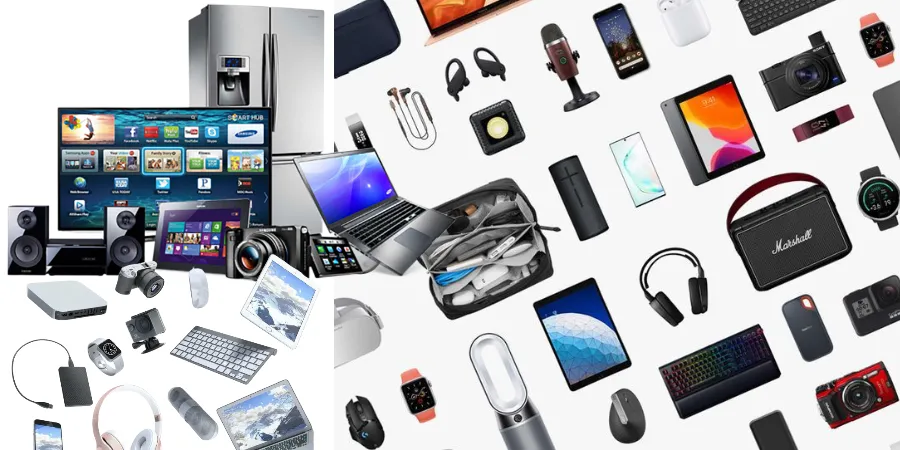
- Computing & Productivity: Laptops, tablets, and desktop workstations that serve as the hub of your digital life.
- Home Entertainment: Televisions, soundbars, and streaming devices that transform your living room into a cinema.
- Smart Home Integration: Hubs, lighting, and security systems that automate your environment.
- Wearable Technology: Smartwatches and fitness trackers that bridge the gap between health monitoring and connectivity.
Best Electronics for Productivity: Choosing the Right Computing Power
Whether you are a creative professional, a student, or a remote worker, your computing hardware is the most critical investment. The "best" device is not always the most expensive one; it is the one that fits your specific workflow.
Factors to Consider When Buying Laptops and Tablets
When selecting a laptop, prioritize the processor (CPU), RAM, and storage type. For most users, an Apple M-series or Intel Core i5/i7 processor provides the perfect balance of speed and efficiency. For tablets, consider the ecosystem—if you already use a smartphone from a specific brand, a tablet from the same ecosystem will offer seamless synchronization.
| Feature | Entry-Level | Professional Grade |
|---|---|---|
| Processor | Core i3 / Basic ARM | Core i9 / M3 Pro/Max |
| RAM | 8GB | 16GB - 32GB+ |
| Storage | 256GB SSD | 1TB+ NVMe SSD |
The Evolution of Home Entertainment
The home entertainment market has shifted from basic "big screens" to sophisticated, AI-driven visual experiences. The current trend focuses on OLED and Mini-LED display technologies, which offer superior contrast ratios and deeper blacks compared to traditional LED panels.
Soundbars vs. Surround Sound Systems
While traditional 5.1 or 7.1 surround sound systems offer the most immersive audio, modern high-end soundbars have bridged the gap significantly. With Dolby Atmos integration, a single soundbar paired with a wireless subwoofer can simulate a 3D soundscape without the clutter of cables running across your living room.
Smart Home Electronics: Automation for a Modern Lifestyle
The goal of smart home electronics is to reduce friction in your daily routine. The best products are those that communicate well with one another through protocols like Matter or Thread, ensuring that your lighting, thermostat, and security cameras work in harmony.
Top Smart Home Categories to Invest In
- Smart Lighting: Look for bulbs and strips that support color temperature adjustments to mimic natural daylight.
- Security Systems: Prioritize local storage options for video feeds to ensure privacy and avoid monthly subscription costs.
- Climate Control: Smart thermostats learn your schedule and can save you a significant amount on energy bills over time.
Tips for Getting the Best Deals on Electronics
High-end electronics can be expensive, but timing your purchases can save you hundreds of dollars. Many consumers make the mistake of buying at launch, which is often when prices are at their peak.
The Best Times to Buy
Historically, the best electronics deals occur during major retail holidays such as Black Friday, Cyber Monday, and Amazon Prime Day. Additionally, keep an eye on "refresh cycles." When a manufacturer announces a new model (usually in the spring or fall), the previous year's model often receives a significant price drop, offering the best value for performance.
Checking Refurbished Options
Do not shy away from "Certified Refurbished" products. These are often units returned to the manufacturer that have been tested, repaired, and repackaged with a full warranty. They offer a near-new experience at a fraction of the retail price.
Trends Shaping the Future of Electronics
As we look toward the future, two major trends are dominating the electronics industry: Sustainability and Artificial Intelligence (AI).
Sustainability and Repairability
Consumers are increasingly demanding electronics that are easy to repair. Manufacturers are responding by making batteries more accessible and providing software support for longer durations. When shopping, look for brands that offer modular components or documented repair guides.
The Rise of AI in Everyday Gadgets
AI is no longer limited to software. Modern electronics, from cameras that use machine learning to optimize photo exposure to laptops that manage battery life based on your usage patterns, are becoming more intuitive. Choosing devices with dedicated Neural Processing Units (NPUs) ensures your hardware remains relevant for years to come.
Final Recommendations for a Tech-Savvy Setup
Building the perfect electronics setup is a marathon, not a sprint. Start by identifying your biggest pain point—is your internet connection slow? Is your computer struggling to render files? Is your home security lacking? Address the most pressing issue first.
Always prioritize build quality over aesthetic design. While a sleek, metallic finish is attractive, the internal components and the quality of the software support are what will determine your long-term satisfaction. Remember to read independent reviews, compare technical specifications across multiple sources, and always verify the return policy before making a significant investment.
By following these guidelines and staying informed about current technological shifts, you can build a home and professional environment that is not only efficient and powerful but also prepared for the innovations of tomorrow.
Frequently Asked Questions About Electronics
How often should I upgrade my electronics?
For most users, a 3-to-5-year cycle for laptops and desktops is ideal. For smartphones, 2-to-3 years is common, while home appliances and TVs can easily last 7-10 years if maintained properly.
Are expensive cables worth the price?
In most cases, no. For digital signals (HDMI, USB, Ethernet), a standard, high-quality cable will perform identically to an overpriced "premium" cable. Focus on the specifications of the cable (e.g., HDMI 2.1 for 4K/120Hz) rather than the brand name.
How can I protect my electronics from power surges?
Always use a high-quality surge protector for sensitive electronics like computers and TVs. For the best protection, look for a unit with a high Joule rating and an indicator light that shows the protection is still active.