Best Home Accessories to Elevate Your Living Space: The Ultimate Styling Guide
When it comes to interior design, furniture sets the foundation of a room, but home accessories give it a soul. Imagine walking into a room with a beautiful sofa, a sleek coffee table, and an elegant bookshelf, yet the walls are bare, the shelves are empty, and there are no cushions or rugs in sight. The space would feel cold, sterile, and unfinished. Home accessories are the ultimate tools to inject personality, warmth, texture, and character into your living environment.
Whether you are moving into a new home or looking to refresh your current space, choosing the right decorative accents can make a world of difference. However, with thousands of options available, selecting the best home accessories can feel overwhelming. This comprehensive guide explores the top categories of home accessories, provides professional styling tips, and helps you choose the perfect pieces to reflect your unique personal style.
Why Home Accessories Matter: The Power of Small Details
Many homeowners underestimate the impact of small decorative objects. They view them as afterthoughts or unnecessary clutter. In reality, home accessories serve several vital functions in interior design:
- Visual Cohesion: Accessories help tie a room’s color palette together. A well-placed vase or throw pillow can pull colors from a piece of wall art, creating a harmonious and intentional look.
- Texture and Depth: A room with only flat surfaces feels monotonous. By introducing different materials—such as woven baskets, brass candleholders, velvet cushions, and ceramic bowls—you create layers of tactile and visual interest.
- Personal Storytelling: Your home should tell the story of who you are. The accessories you choose—whether they are travel souvenirs, vintage books, or unique sculptures—reflect your passions, memories, and lifestyle.
- Flexibility and Adaptability: Swapping out large furniture pieces is expensive and labor-intensive. In contrast, changing your home accessories is an easy, affordable way to update your decor for different seasons, holidays, or evolving design trends.
Top Categories of the Best Home Accessories
To curate a balanced and beautiful home, it is helpful to understand the primary categories of decorative accessories. Here are the essential elements every well-designed home needs.
1. Soft Textiles: Cushions, Throws, and Rugs
Textiles are the easiest way to introduce comfort and warmth into any room. They soften the hard lines of wooden and metal furniture, making spaces feel instantly inviting.
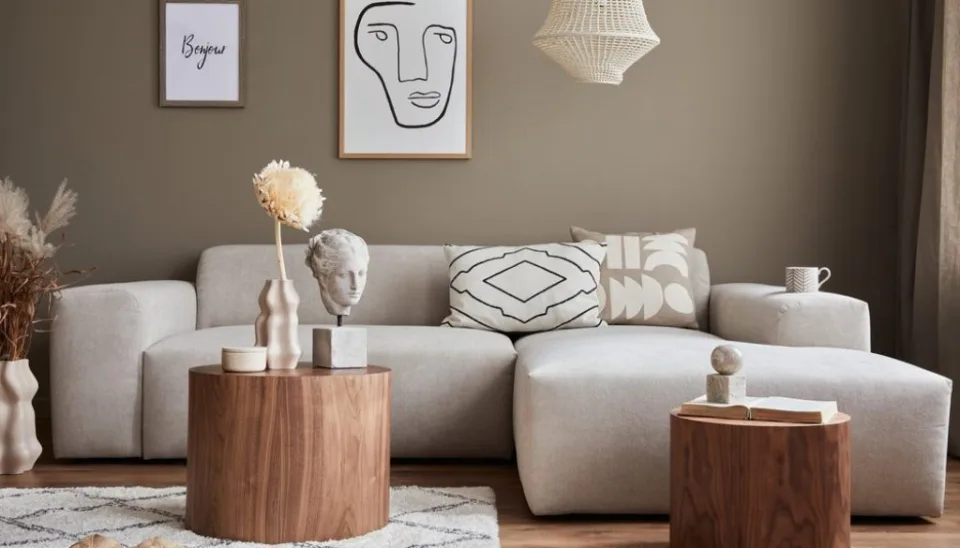
When selecting decorative pillows (cushions) and throw blankets, focus on texture contrast. If you have a smooth leather sofa, pair it with chunky knit throws and boucle or linen cushions. For a neutral fabric sofa, you can introduce subtle patterns, such as herringbone, geometric prints, or delicate floral embroidery. Don't forget area rugs; they define specific zones within an open-plan layout and anchor your furniture arrangements.
2. Accent and Ambient Lighting
Lighting is often called the "jewelry" of a room. While overhead lighting is functional, accent and ambient lighting create atmosphere and mood. The best home accessories in this category include stylish table lamps, sculptural floor lamps, and elegant candle holders.
Place a ceramic table lamp with a warm-toned bulb on a side table to create a cozy reading nook. On dining tables or fireplaces mantels, arrange brass or matte black taper candle holders of varying heights. The flickering glow of candlelight adds an instant touch of romance and sophistication to any evening.
3. Wall Decor: Mirrors, Art, and Shelving
Empty walls can make a room feel cold and expansive in an uncomfortable way. Wall accessories draw the eye upward, making ceilings feel higher and rooms feel more spacious.
- Mirrors: A classic design trick is to place a large mirror opposite a window. This bounces natural light around the room, making dark spaces appear brighter and small rooms feel double their actual size.
- Wall Art: Whether you prefer large-scale abstract canvases, framed black-and-white photography, or a curated gallery wall, art is a powerful medium for self-expression.
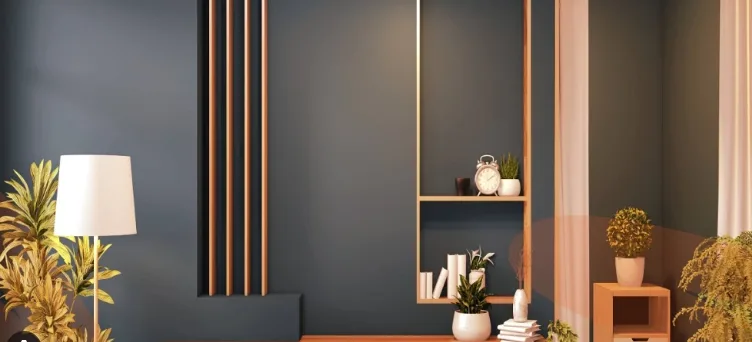
- Floating Shelves: These provide both storage and display space. You can style them with a mix of books, small plants, and sculptural objects for a dynamic, layered look.
4. Botanical Elements: Vases, Planters, and Greenery
No room is complete without a touch of nature. Bringing botanical elements indoors purifies the air, boosts mood, and adds vibrant color that cannot be replicated by synthetic materials.
Invest in a variety of vases—glass, ceramic, terracotta, and stoneware. A tall, structural ceramic vase looks stunning on a dining table with a few dried eucalyptus branches or pampas grass. For fresh flowers, clear glass vases allow the beauty of the stems to shine through. If you do not have a green thumb, high-quality faux plants and dried florals offer the same aesthetic benefits without the maintenance.
5. Decorative Trays, Bowls, and Boxes
One of the golden secrets of professional interior stylists is the use of decorative trays and bowls to corral clutter. When small items are scattered across a coffee table, they look like a mess. When those same items are arranged neatly on a beautiful tray, they look like a curated display.
Use a marble or wooden tray on your coffee table to hold a candle, a small vase, and a stack of art books. In the entryway, a small ceramic or brass bowl serves as a stylish "catch-all" for keys, mail, and sunglasses. Decorative boxes made of bone inlay, wood, or lacquer are perfect for hiding remote controls, coasters, and other unsightly essentials.
6. Home Fragrances: Candles, Diffusers, and Incense
Design is not just visual; it is sensory. The scent of a home is the first thing guests notice when they walk through the door. High-quality home fragrances are essential accessories for creating a welcoming sensory experience.
Choose soy or beeswax candles infused with natural essential oils. In the spring and summer, opt for fresh, citrusy, or floral scents like lavender, bergamot, and sea salt. In the autumn and winter, transition to warm, grounding scents like amber, sandalwood, cinnamon, and cedarwood. Reed diffusers are excellent for continuous, low-maintenance fragrance in bathrooms and hallways.
Matching Accessories to Your Interior Design Style
To prevent your home from looking chaotic, it is important to choose accessories that complement your overall interior design style. While mixing styles can work beautifully, having a clear design direction helps maintain visual harmony.
The table below outlines how to select the best home accessories based on popular interior design styles:
| Design Style | Key Accessory Types | Recommended Materials | Color Palette |
|---|---|---|---|
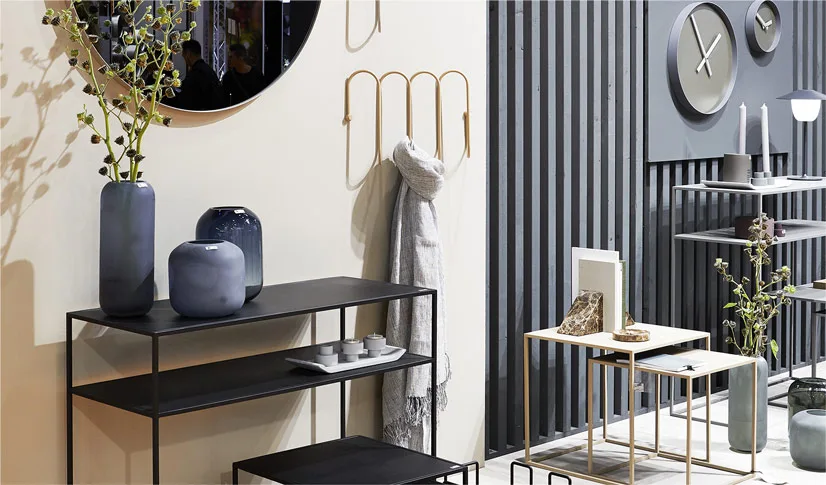
| Minimalist | Sculptural ceramic vases, single statement art pieces, sleek metal candleholders, simple linen throws. | Matte ceramics, concrete, brushed steel, natural linen. | Monochromatic, white, beige, grey, charcoal. |
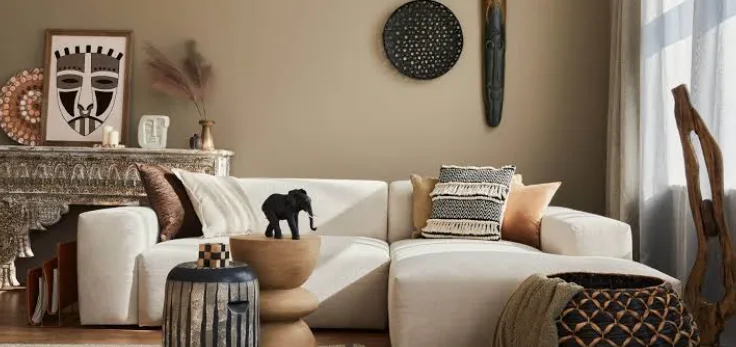
| Bohemian (Boho) | Macrame wall hangings, woven baskets, patterned poufs, terracotta planters, colorful textured rugs. | Rattan, jute, terracotta, wool, brass. | Earthy tones, terracotta, mustard yellow, olive green, warm rust. |
| Industrial | Metal gear sculptures, vintage Edison bulb lamps, concrete trays, distressed leather details, wire baskets. | Raw iron, reclaimed wood, concrete, distressed leather. | Black, metallic grey, deep brown, brick red. |
| Traditional / Classic | Crystal vases, ornate gold-framed mirrors, porcelain bowls, velvet cushions, classic landscape paintings. | Polished brass, crystal, porcelain, velvet, silk. | Rich jewel tones, navy blue, emerald green, burgundy, cream, gold. |
| Mid-Century Modern | Geometric print pillows, abstract wooden sculptures, brass starburst clocks, colorful glass vases. | Teak wood, colored hand-blown glass, brass, wool. | Mustard, teal, avocado green, burnt orange, warm wood tones. |
The Golden Rules of Styling Home Accessories
Once you have purchased the best home accessories, the next step is arranging them. Styling is an art form, but it relies on a few fundamental design principles. By following these golden rules, you can style your home like a professional designer:
The Rule of Three (and Odd Numbers)
In interior design, items arranged in odd numbers (three, five, or seven) are more visually appealing and memorable to the human brain than even-numbered groupings. An even number of items can look symmetrical but static, whereas odd numbers create movement and balance.
When styling a console table, shelf, or mantel, create groupings of three. For example, pair a tall vase (item one) with a medium-sized candle (item two) and a small decorative bowl (item three). This simple formula instantly creates a balanced, professional-looking vignette.
Vary Heights, Shapes, and Scales
If all the accessories on a table are the same height, the eye sweeps over them without registering any interest. To create visual rhythm, you must vary the heights and shapes of your objects.
If you have a tall, vertical object like a candlestick, balance it with a round, organic shape like a ceramic bowl, and a flat, horizontal object like a stack of coffee table books. This contrast in shapes keeps the display dynamic and engaging.
Layer from Back to Front
When styling deep surfaces like bookshelves, mantels, or deep console tables, do not place all your items in a single straight line. Instead, layer them from back to front to create a sense of depth.
Start by placing larger, flatter items in the background, such as a framed piece of art leaning against the wall or a large round mirror. Next, place medium-sized items in front of them, slightly overlapping the edges of the background pieces. Finally, place your smallest, most detailed objects in the foreground. This layering technique prevents your displays from looking flat and lifeless.
The Importance of Negative Space
One of the biggest mistakes homeowners make is filling every square inch of available space with decor. This leads to visual fatigue and makes a home feel cluttered rather than curated. Negative space—the empty space around objects—is just as important as the objects themselves.
Negative space gives the eye a place to rest and allows your favorite accessories to stand out. If you have a beautiful, intricate sculpture on a shelf, leave the space around it relatively empty so that the sculpture can truly shine as a focal point.
How to Shop Smart: Quality Over Quantity
When searching for the best home accessories, it is easy to get swept up in cheap, mass-produced decor trends. However, buying too many low-quality items often results in a home that feels cheap and cluttered. Instead, adopt a "slow decorating" philosophy and prioritize quality over quantity.
Look for accessories made from authentic, natural materials. Real wood, genuine stone, hand-blown glass, solid brass, and hand-woven textiles have a weight, texture, and soul that synthetic imitations cannot replicate. These high-quality pieces age beautifully, developing a rich patina over time, and can be passed down through generations.
Before making a purchase, ask yourself three questions:
- Does this item fit within my home's overall design style and color palette?
- Where exactly will I place this item, and what will I style it with?
- Do I truly love this object, or am I just buying it because it is on sale or currently trending?
By being intentional with your purchases, you will curate a collection of home accessories that bring you joy every time you look at them.
Conclusion: Start Small and Have Fun
Styling your home with accessories is a creative journey, not a race. You do not need to decorate every room in a single weekend. In fact, the most beautiful homes are those that are styled gradually over time, reflecting a life well-lived and memories collected along the way.
Start small. Begin with a single area, such as your living room coffee table or your entryway console. Experiment with different groupings, play with textures, move items from room to room, and see how the energy of the space changes. With the right home accessories, you have the power to transform any house into a warm, stylish, and deeply personal sanctuary.