The Ultimate Guide to Choosing the Perfect Pair of Shoes
Shoes are more than just foot coverings; they are a fundamental part of our daily lives, influencing our comfort, style, and even our performance. Whether you're navigating the urban jungle, conquering a mountain trail, or making a statement at a formal event, the right pair of shoes can make all the difference. This comprehensive guide will equip you with the knowledge to make informed decisions when selecting footwear across various categories, ensuring you find the perfect fit for every occasion and need.
Understanding Shoe Categories: A Foundation for Smart Shopping
The world of footwear is vast and diverse, with each category designed to meet specific demands. Before diving into the intricacies of materials and fit, it's crucial to understand the primary categories of shoes and their intended purposes. This foundational knowledge will help you narrow down your options and avoid impulse purchases that may not serve your needs.
Athletic and Performance Footwear
This category is dedicated to supporting physical activity and sports. Shoes within this group are engineered with specific technologies to enhance performance, provide cushioning, offer stability, and prevent injuries.
- Running Shoes: Designed for shock absorption and propulsion, with variations for different gaits (neutral, pronation, supination) and terrains (road, trail).
- Training Shoes: Versatile for gym workouts, cross-training, and general fitness. They offer a balance of cushioning and stability for multidirectional movements.
- Basketball Shoes: Provide ankle support and excellent traction for quick cuts and jumps.
- Tennis Shoes: Built for lateral movement and durability on court surfaces, offering good grip and stability.
- Hiking Boots: Offer robust ankle support, waterproof materials, and aggressive outsoles for traction on uneven terrain.
- Cleats: Feature studs or spikes on the outsole for grip in sports like soccer, football, and baseball.
Casual Footwear
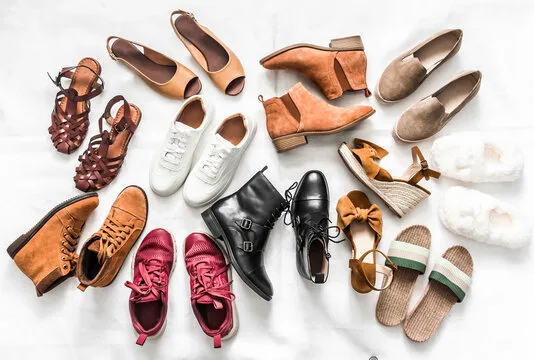
Casual shoes prioritize comfort and style for everyday wear. They are designed for relaxed settings and offer a wide range of aesthetics to complement various outfits.
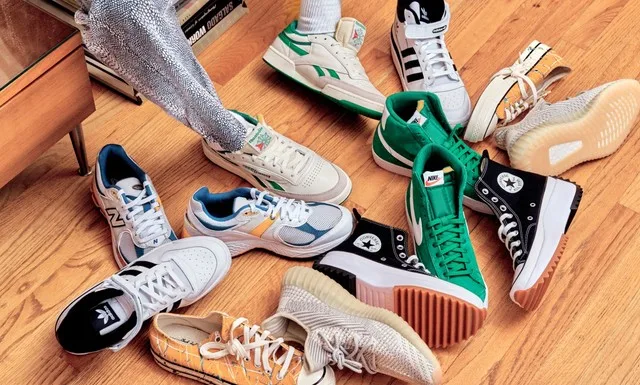
- Sneakers: A broad category encompassing a multitude of styles, from classic canvas shoes to modern athletic-inspired designs.
- Loafers: Slip-on shoes characterized by their moccasin-like construction, offering a smart-casual option.
- Boat Shoes: Originally designed for sailors, they feature non-marking soles and water-resistant materials, ideal for a relaxed, nautical look.
- Sandals: Open-toed footwear offering breathability and ease of wear, ranging from simple flip-flops to more structured designs.
- Espadrilles: Feature a rope or jute sole and a canvas or cotton upper, embodying a relaxed, summery vibe.
- Moc-toe Shoes: Similar to loafers but often feature a distinct stitched seam around the toe, providing a comfortable and casual feel.
Dress and Formal Footwear
These shoes are designed for more formal occasions, business settings, and events where a polished appearance is essential. They typically feature refined materials and classic designs.
- Oxfords: Characterized by their closed lacing system, Oxfords are the epitome of formal footwear.
- Derbies: Feature an open lacing system, making them slightly less formal than Oxfords but still suitable for business and semi-formal events.
- Brogues: Defined by their decorative perforations (broguing), brogues can be found in Oxford or Derby styles and add a touch of sophistication.
- Monk Straps: Fastened with buckles instead of laces, monk straps offer a distinctive and stylish alternative to traditional dress shoes.
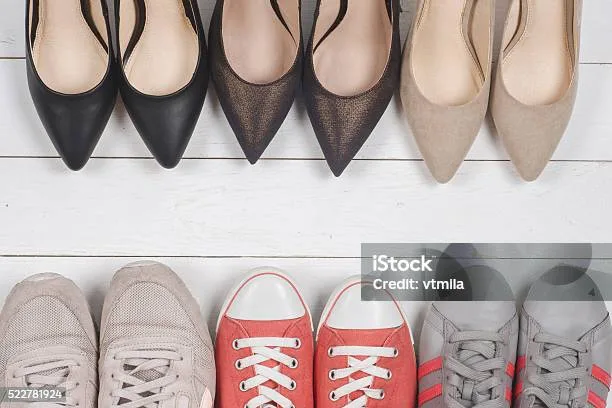
- Pumps: Classic women's dress shoes, typically with a closed toe and a heel, suitable for a wide range of formal and semi-formal occasions.
- Heels: A broad category for women's footwear, including stilettos, block heels, wedges, and kitten heels, varying in height and style.
Boots
Boots offer a wide spectrum of styles and functionalities, from rugged outdoor wear to sleek fashion statements.
- Ankle Boots: Versatile boots that end at or just above the ankle, suitable for both casual and dressy outfits.
- Chelsea Boots: Characterized by their elastic side panels and often a pull-tab at the back, offering a sleek and easy-to-wear option.
- Chukka Boots: Typically feature two or three eyelets for lacing and a soft suede or leather upper, offering a casual yet refined look.
- Work Boots: Designed for durability and protection in demanding environments, often featuring steel toes and slip-resistant soles.
- Fashion Boots: A broad category encompassing various styles like knee-high boots, over-the-knee boots, and combat boots, primarily focused on aesthetics.
Key Factors to Consider When Buying Shoes
Once you've identified the category that best suits your needs, several crucial factors come into play to ensure you make a wise purchase. These elements directly impact the comfort, longevity, and overall satisfaction you'll derive from your new footwear.
Fit and Sizing: The Paramount Importance
This is arguably the most critical aspect of shoe buying. An improper fit can lead to discomfort, pain, blisters, and even long-term foot problems. It's not just about the number on the box; it's about how the shoe interacts with your foot.
- Measure Your Feet: Feet can change size over time, and one foot might be slightly larger than the other. Measure both feet at the end of the day when they are typically at their largest.
- Consider Width: Shoes come in various widths (narrow, medium, wide, extra-wide). A shoe that's too narrow will pinch, while one that's too wide will feel loose and unstable.
- The "Thumb Rule": Ensure there's about a thumb's width of space between your longest toe and the front of the shoe.
- Check the Heel Fit: Your heel should fit snugly without slipping up and down as you walk.
- Walk Around: Always try on shoes and walk around the store. Pay attention to any pressure points, rubbing, or pinching.
- Don't Rely Solely on Size Numbers: Sizing can vary significantly between brands and even between different models within the same brand.
Materials: Balancing Durability, Comfort, and Aesthetics
The materials used in shoe construction play a vital role in their performance, feel, and appearance. Understanding the properties of different materials will help you choose shoes that align with your priorities.
- Leather:
- Full-Grain Leather: The highest quality, retaining the natural grain and offering superior durability and breathability. It molds to your foot over time.
- Top-Grain Leather: Similar to full-grain but has been sanded or buffed to remove imperfections. Still durable and breathable.
- Genuine Leather: Often a lower grade, it can be less durable and breathable than full-grain or top-grain.
- Suede and Nubuck: Types of leather with a napped finish, offering a softer feel but requiring more careful maintenance and less water resistance.
- Synthetic Materials:
- Mesh: Lightweight and highly breathable, commonly used in athletic shoes for ventilation.
- Synthetics (e.g., PU, PVC): Can mimic the look of leather at a lower cost. Durability and breathability vary widely.
- Canvas: A durable cotton fabric, often used in casual sneakers, offering breathability but limited water resistance.
- Rubber: Primarily used for outsoles, providing grip, durability, and shock absorption.
- Foam (e.g., EVA, PU foam): Used in midsoles for cushioning and shock absorption, especially in athletic and comfort shoes.
Construction and Quality: Ensuring Longevity
The way a shoe is put together significantly impacts its lifespan and how well it holds up to wear and tear. Inspecting the construction can reveal the quality of the shoe.
- Stitching: Look for neat, consistent stitching with no loose threads. Double stitching in high-stress areas indicates better durability.
- Adhesives: If the shoe is glued, ensure the sole is firmly attached to the upper with no gaps or excess glue.
- Sole Attachment:
- Goodyear Welt: A durable and resoleable construction, often found in high-quality dress and work boots.
- Blake Stitch: A more flexible construction, common in dress shoes.
- Cemented: The sole is glued to the upper, a common and cost-effective method, but typically not resoleable.
- Insole: A removable insole can be beneficial for cleaning or replacing with custom orthotics.
- Lining: A well-constructed shoe will have a smooth, comfortable lining that prevents irritation.
Purpose and Occasion: Matching Shoes to Your Lifestyle
As discussed in the categories section, the intended use of the shoe is paramount. Buying hiking boots for a formal wedding or stilettos for a marathon would be impractical and uncomfortable.
- Work: Consider the dress code and your daily activities.
- Athletics: Choose shoes specifically designed for your sport.
- Casual Wear: Opt for comfort and style that complements your personal aesthetic.
- Special Occasions: Select shoes that elevate your outfit and suit the formality of the event.
Comfort and Support: The Foundation of Happy Feet
Beyond the initial fit, long-term comfort is essential. This involves considering the shoe's cushioning, arch support, and overall feel.
- Cushioning: The amount and type of cushioning needed depend on the activity and personal preference.
- Arch Support: If you have high arches or flat feet, look for shoes that provide adequate support for your foot type.
- Flexibility: The shoe should bend naturally with your foot, especially at the ball of the foot.
- Breathability: Good ventilation helps prevent moisture buildup, reducing the risk of blisters and odor.
Tips for Buying Shoes Online
Online shopping offers convenience and a wider selection, but it also presents challenges when it comes to fit. Here's how to navigate buying shoes online with confidence:
- Know Your Size: Have your foot accurately measured and know your size in different brands if possible.
- Consult Size Charts: Always refer to the specific brand's size chart provided on the website.
- Read Reviews: Customer reviews often provide valuable insights into sizing, fit, and comfort. Look for comments from people with similar foot types.
- Check the Return Policy: Ensure the retailer has a generous and clear return policy in case the shoes don't fit or meet your expectations.
- Look for Detailed Product Descriptions: Pay attention to information about materials, construction, and intended use.
- Order Multiple Sizes (if feasible): If the return policy allows, consider ordering two sizes to try on at home and return the one that doesn't fit.
Shoe Care and Maintenance: Extending the Life of Your Footwear
Investing in quality shoes is only half the battle; proper care and maintenance are crucial for ensuring they last and continue to look their best.
Cleaning Your Shoes
The cleaning method depends heavily on the material:
- Leather: Use a damp cloth to wipe away dirt. For deeper cleaning, use a specialized leather cleaner. Condition leather regularly to keep it supple.
- Suede and Nubuck: Use a suede brush to remove dry dirt and restore the nap. For stains, use a suede eraser or a specialized suede cleaner. Avoid water.
- Canvas and Mesh: Most can be cleaned with mild soap and water. A toothbrush can help scrub away dirt. Allow them to air dry completely.
- Synthetics: Typically easy to clean with a damp cloth and mild soap.
Protecting Your Shoes
- Waterproofing and Stain Protection: Apply appropriate sprays or waxes for the material to protect against water and stains.
- Shoe Trees: Cedar shoe trees help absorb moisture, maintain the shoe's shape, and prevent creasing.
- Rotation: Avoid wearing the same pair of shoes every day. Rotating your footwear allows them to dry out completely and reduces wear and tear.
Storage
Store your shoes in a cool, dry place away from direct sunlight. Use shoe bags or boxes to protect them from dust and damage.
Current Trends in Footwear
The footwear industry is constantly evolving, with new trends emerging season after season. Staying informed can help you make stylish choices, but remember that personal style and comfort should always take precedence.
Sustainability in Footwear
There's a growing emphasis on eco-friendly materials and ethical manufacturing processes. Look for brands that use recycled materials, sustainable sourcing, and fair labor practices.
Comfort-Driven Styles
The demand for comfort continues to drive trends, with athleisure-inspired designs and supportive footwear becoming increasingly popular for everyday wear.
Versatile Footwear
Shoes that can transition seamlessly from casual to semi-formal settings are highly sought after, offering practicality and value.
Bold Colors and Textures
While neutrals remain a staple, vibrant colors, unique textures, and eye-catching embellishments are making a statement in various shoe categories.
Retro and Vintage Influences
Many current designs draw inspiration from classic silhouettes and styles of past decades, offering a nostalgic yet modern appeal.
A Quick Reference Table: Shoe Selection Checklist
To summarize, here's a quick checklist to guide your shoe-buying decisions:
| Factor | Key Considerations | Importance Level |
|---|---|---|
| Category & Purpose | Matches intended use (running, casual, formal, etc.) | High |
| Fit & Sizing | Correct length, width, heel grip, no pressure points | Critical |
| Materials | Durability, breathability, comfort, aesthetics, maintenance needs | High |
| Construction Quality | Stitching, sole attachment, overall build | High |
| Comfort & Support | Cushioning, arch support, flexibility for extended wear | Critical |
| Style & Aesthetics | Complements personal style and wardrobe | Medium |
| Price & Value | Budget, quality for cost, potential for longevity | Medium |
| Brand Reputation (Optional) | Reliability, quality control, customer service | Low to Medium |
Conclusion
Choosing the right pair of shoes is an investment in your comfort, health, and personal style. By understanding the different categories, carefully considering factors like fit, materials, and construction, and embracing proper care practices, you can confidently select footwear that will serve you well for years to come. Whether you're a seasoned shoe enthusiast or a novice buyer, this guide aims to empower you with the knowledge to make informed decisions and step out in confidence, no matter the occasion.