Choosing the Perfect Pair: A Comprehensive Comparison of Popular Shoe Categories
The world of footwear is vast and varied, offering a solution for every occasion, activity, and personal style. From athletic pursuits to formal events, the right pair of shoes can elevate your comfort, performance, and overall look. However, navigating this extensive landscape can be overwhelming. This article aims to simplify your decision-making process by providing a detailed comparison of popular shoe categories, helping you understand their unique features, benefits, and ideal use cases. Whether you're a seasoned shoe enthusiast or a beginner looking for practical advice, this guide will equip you with the knowledge to make informed choices.
Understanding the Core Categories: A Foundation for Your Choice
Before diving into specific comparisons, it's essential to grasp the fundamental categories that define the shoe market. These broad classifications serve as a starting point for understanding the diverse range of footwear available.
1. Athletic Shoes
Designed for performance and comfort during physical activities, athletic shoes are engineered with specific sports in mind. They prioritize cushioning, support, and traction to enhance athletic capabilities and prevent injuries.
- Running Shoes: Lightweight, flexible, and offering superior shock absorption to protect joints during high-impact running.
- Training Shoes: Versatile, providing a balance of cushioning and stability for various gym activities like weightlifting and cross-training.
- Court Shoes: Built for lateral movements and quick pivots, common in sports like tennis, basketball, and volleyball.
- Hiking Boots: Durable and supportive, offering ankle protection and excellent grip for navigating uneven terrain.
2. Casual Shoes
These are your everyday go-to shoes, blending comfort with a relaxed aesthetic. They are suitable for a wide range of informal settings and activities.
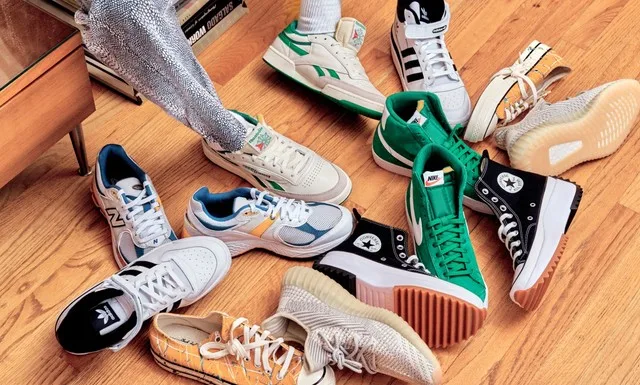
- Sneakers: A broad category encompassing comfortable, often canvas or leather shoes with rubber soles, perfect for daily wear.
- Loafers: Slip-on shoes characterized by their laceless design, offering a smart-casual option.
- Boat Shoes: Originally designed for sailors, these feature non-slip soles and a distinctive lacing system, ideal for casual, nautical-inspired looks.
- Sandals: Open-toed footwear that allows for maximum breathability, perfect for warm weather.
3. Dress Shoes
Formal footwear designed to complement suits, tuxedos, and other smart attire. They emphasize polished aesthetics and refined craftsmanship.
- Oxfords: Characterized by their closed lacing system, Oxfords are the epitome of formal footwear.
- Derbies: Featuring an open lacing system, Derbies offer a slightly less formal but still elegant option.
- Monk Straps: Distinguished by their buckle and strap closure, Monk Straps strike a balance between formal and semi-formal.
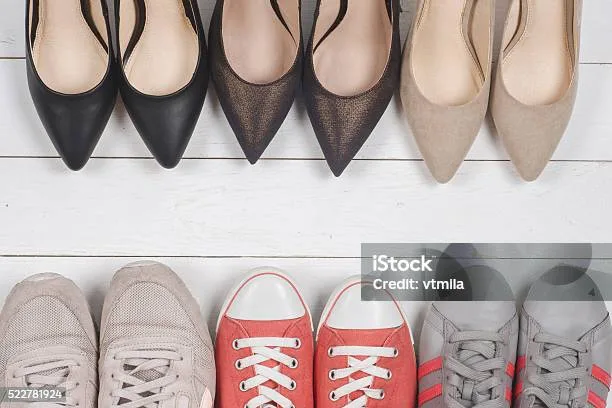
- Pumps: Classic heeled shoes, typically worn by women for formal occasions and professional settings.
4. Boots
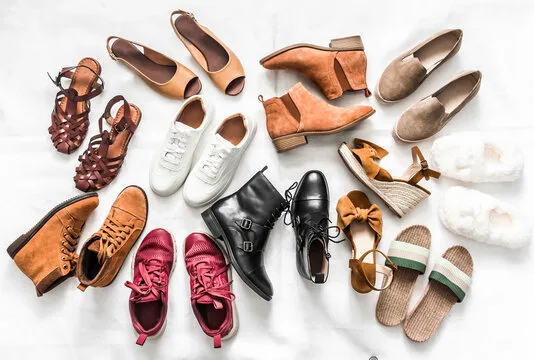
Footwear that extends above the ankle, offering varying degrees of protection, support, and style. Boots are highly versatile and can range from rugged work boots to sophisticated fashion statements.
- Ankle Boots: Versatile boots that reach the ankle, suitable for both casual and semi-formal wear.
- Chukka Boots: Typically made of suede or leather with two or three eyelets, offering a relaxed yet stylish option.
- Work Boots: Built for durability and protection in demanding environments, often featuring steel toes and robust construction.
- Fashion Boots: Designed with aesthetics in mind, these can include knee-high boots, heeled boots, and various stylistic variations.
Comparison: Athletic Shoes vs. Casual Shoes
The primary distinction between athletic and casual shoes lies in their intended purpose. Athletic shoes are performance-driven, while casual shoes prioritize comfort and everyday style.
Performance vs. Comfort
Athletic shoes are engineered with specific biomechanical principles to support movement, absorb impact, and provide stability during strenuous activities. They often feature specialized materials and construction techniques for optimal performance. Casual shoes, on the other hand, are designed for everyday wear, emphasizing comfort for prolonged periods of walking or standing. While they may offer some support, it's generally not as specialized as in athletic footwear.
Durability and Materials
The materials used in athletic shoes are chosen for their resilience and ability to withstand the rigors of sports. This often includes breathable mesh, advanced synthetic fabrics, and durable rubber outsoles. Casual shoes can utilize a wider range of materials, including leather, canvas, suede, and synthetic blends, with durability varying based on the specific style and intended use.
Aesthetics and Versatility
Athletic shoes typically have a sporty, functional appearance. While some styles have crossed over into fashion, their primary design is performance-oriented. Casual shoes offer a broader aesthetic range, from laid-back sneakers to more polished loafers, making them adaptable to various informal outfits. However, they are generally not suitable for formal occasions.
When to Choose Which:
- Choose Athletic Shoes when: Engaging in sports, running, hiking, gym workouts, or any activity requiring specialized support and cushioning.
- Choose Casual Shoes when: Running errands, meeting friends, attending informal gatherings, or for everyday comfortable wear.
Comparison: Dress Shoes vs. Casual Shoes
The difference here is stark, revolving around formality and occasion. Dress shoes are for sophisticated events, while casual shoes are for relaxed settings.
Formality and Occasion
Dress shoes are the cornerstone of formal and business attire. They are meticulously crafted to project an image of professionalism and elegance. Casual shoes are the antithesis of this, designed for comfort and ease in relaxed environments. Wearing dress shoes to a casual event can appear overly formal, while wearing casual shoes to a formal event is generally considered inappropriate.
Construction and Materials
Dress shoes are typically made from high-quality leather, polished to a high sheen. Their construction emphasizes clean lines, refined stitching, and often a leather sole. Casual shoes employ a wider variety of materials and construction methods, prioritizing comfort and a less structured look.
Styling and Versatility
Dress shoes are designed to be paired with suits, tuxedos, and tailored trousers. Their versatility is limited to formal and semi-formal occasions. Casual shoes, conversely, can be styled with jeans, chinos, shorts, and even some more relaxed dresses, offering significantly more day-to-day versatility.
When to Choose Which:
- Choose Dress Shoes when: Attending weddings, business meetings, formal dinners, or any event requiring a suit or formal attire.
- Choose Casual Shoes when: Out with friends, running errands, enjoying a relaxed weekend, or for everyday comfortable wear.
Comparison: Boots vs. Other Shoe Categories
Boots represent a diverse category that can overlap with athletic, casual, and even dress footwear, but their defining characteristic is their coverage extending above the ankle.
Ankle Coverage and Protection
The most obvious difference is the ankle coverage. Boots provide varying degrees of support and protection for the ankle, which is crucial for activities like hiking or working in hazardous environments. Other shoe categories generally do not offer this level of ankle support.
Weather Resistance and Durability
Many types of boots are designed to be weather-resistant, offering protection from rain, snow, and cold. Materials like waterproof leather and specialized membranes are common. While some athletic or casual shoes might offer water resistance, it's a primary consideration for many boot styles, especially work and winter boots. Boots are also often built for exceptional durability.
Style and Versatility Spectrum
Boots span a vast style spectrum. Rugged work boots are functional and tough, while sleek leather ankle boots can be dressed up for semi-formal occasions. Fashion boots can be highly trend-driven. This makes boots incredibly versatile, capable of fulfilling roles that might otherwise require separate pairs from other categories, depending on the specific boot style.
When to Choose Which:
- Choose Boots when: Facing inclement weather, engaging in outdoor activities like hiking or work, or seeking a specific fashion statement that requires ankle coverage.
- Consider other categories when: Prioritizing maximum breathability in hot weather (sandals), requiring specialized performance for a specific sport (athletic shoes), or needing the utmost formality (dress shoes).
Key Features to Consider When Buying Shoes
Regardless of the category, several universal factors should influence your purchasing decisions to ensure you get the best value and most suitable footwear.
1. Fit and Comfort
This is paramount. Shoes should fit snugly but not too tightly, with enough room for your toes to wiggle. Pay attention to width, arch support, and heel fit. Ill-fitting shoes can lead to pain, blisters, and long-term foot problems.
2. Material Quality
The materials used directly impact durability, breathability, comfort, and appearance.
- Leather: Durable, breathable, molds to the foot, but requires care.
- Suede: Soft and luxurious, but less durable and susceptible to water damage.
- Canvas: Lightweight and breathable, but less durable and offers minimal protection.
- Synthetics: Can offer specific benefits like waterproofing or extreme lightness, but breathability can be an issue.
3. Sole Construction
The sole provides traction, cushioning, and stability.
- Rubber soles: Excellent grip and durability, common in athletic and casual shoes.
- Leather soles: Classic for dress shoes, offer a refined look but less grip and durability on wet surfaces.
- EVA (Ethylene-vinyl acetate): Lightweight and provides good cushioning, often found in athletic shoes.
- PU (Polyurethane): Durable and offers good shock absorption.
4. Intended Use
Always consider what you will primarily use the shoes for. Buying running shoes for a formal event or dress shoes for a hike will lead to discomfort and potential injury. Match the shoe to the activity.
5. Durability and Longevity
Consider how long you expect the shoes to last. Higher-quality materials and construction typically mean greater durability, though this often comes at a higher price point. For frequently used shoes, investing in quality is often more cost-effective in the long run.
A Table of Shoe Categories and Their Best Use Cases
This table provides a quick reference guide to help you match shoe categories with their most suitable applications.
| Shoe Category | Primary Use Cases | Key Features | Formality Level |
|---|---|---|---|
| Running Shoes | Running, jogging, athletic training | Lightweight, shock absorption, breathability | Athletic |
| Training Shoes | Gym workouts, cross-training, general fitness | Stability, cushioning, versatility | Athletic |
| Court Shoes | Tennis, basketball, volleyball, court sports | Lateral support, traction, durability | Athletic |
| Hiking Boots | Hiking, trekking, outdoor exploration | Ankle support, grip, durability, weather resistance | Athletic/Outdoor |
| Sneakers | Everyday wear, casual outings, light activities | Comfort, versatility, casual style | Casual |
| Loafers | Smart-casual, business casual, relaxed office environments | Slip-on, comfort, polished look | Casual to Semi-Formal |
| Boat Shoes | Casual wear, nautical-themed events, warm weather | Non-slip sole, comfort, casual style | Casual |
| Sandals | Warm weather, beach, casual outings, relaxation | Breathability, comfort, ease of wear | Very Casual |
| Oxfords | Formal events, business professional, weddings | Closed lacing, sleek design, polished leather | Formal |
| Derbies | Business casual, semi-formal events, smart everyday wear | Open lacing, versatility, comfortable | Semi-Formal to Business Casual |
| Monk Straps | Business attire, semi-formal events, stylish alternatives | Buckle closure, distinctive look | Semi-Formal to Formal |
| Pumps (Women's) | Formal events, professional settings, evening wear | Heeled, elegant design, polished finish | Formal |
| Ankle Boots | Casual to smart-casual, transitional weather, everyday wear | Ankle coverage, style versatility | Casual to Semi-Formal |
| Chukka Boots | Casual to smart-casual, everyday wear | Simple design, suede or leather, comfort | Casual to Smart-Casual |
| Work Boots | Construction, manual labor, industrial settings | Protection, durability, safety features | Functional/Workwear |
| Fashion Boots | Styling, seasonal trends, specific fashion looks | Design-driven, variety of heights and materials | Varies (Casual to Fashion-forward) |
Trends in the Footwear Market
The shoe industry is constantly evolving, with new trends emerging regularly. Staying aware of these trends can help you make stylish and relevant choices.
Sustainability and Eco-Friendly Materials
There's a growing demand for footwear made from recycled, organic, or sustainably sourced materials. Brands are increasingly focusing on reducing their environmental impact through ethical manufacturing processes and innovative material choices.
Comfort-Driven Fashion
The lines between comfort and style continue to blur. Athleisure has paved the way for sneakers and athletic-inspired footwear to be incorporated into everyday wardrobes, even in more formal settings. Comfort is no longer sacrificed for style; it's often a prerequisite.
Versatility and Multi-Functionality
Consumers are looking for shoes that can serve multiple purposes, reducing the need for extensive wardrobes. Shoes that can transition from a day at the office to an evening out, or from a casual stroll to a light workout, are highly valued.
Technological Advancements
Innovations in materials science and footwear engineering continue to push boundaries. This includes advancements in cushioning, breathability, energy return, and adaptive fit technologies, all aimed at enhancing performance and comfort.
Conclusion: Finding Your Perfect Fit
Choosing the right pair of shoes is a nuanced decision that depends on a multitude of factors, including the intended use, desired formality, personal comfort preferences, and current style trends. By understanding the distinct characteristics of different shoe categories – from the performance-driven nature of athletic shoes to the refined elegance of dress shoes, the everyday comfort of casual wear, and the protective versatility of boots – you can confidently make choices that align with your lifestyle and needs. Prioritizing fit, material quality, and the specific demands of your activities will ensure that your footwear not only looks good but also feels great and serves its purpose effectively. As the footwear market continues to evolve with a focus on sustainability, comfort, and versatility, staying informed will empower you to select shoes that are both practical and fashionable for years to come.