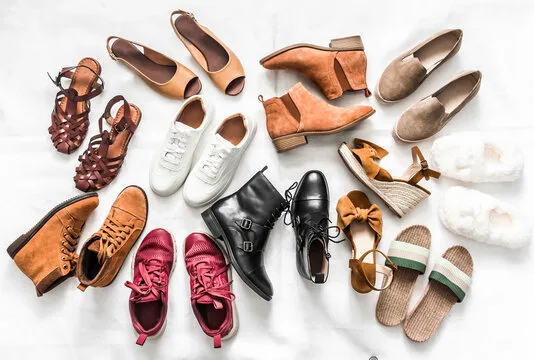
Choosing the Right Footwear: A Comprehensive Comparison Guide for Every Occasion
In the vast and ever-evolving world of footwear, selecting the perfect pair of shoes can feel like navigating a labyrinth. From athletic pursuits to formal gatherings, casual strolls to demanding work environments, the right shoes not only enhance your style but also play a crucial role in comfort, support, and even your overall well-being. This comprehensive guide delves into a comparative analysis of popular shoe categories, helping you make informed decisions for every aspect of your life.
Understanding the Core Needs: Comfort, Support, and Style
Before diving into specific shoe types, it's essential to grasp the fundamental elements that make a shoe "good." These three pillars are interconnected and should be considered regardless of the shoe's intended purpose:
- Comfort: This is paramount. Shoes that are uncomfortable can lead to blisters, foot pain, and long-term issues. Comfort encompasses factors like cushioning, fit, breathability, and the absence of restrictive elements.
- Support: Proper support is vital for maintaining foot health and preventing injuries. This includes arch support, ankle stability, and shock absorption, particularly important for activities involving impact or prolonged standing.
- Style: While functionality is key, aesthetics cannot be ignored. Shoes are a significant part of personal expression and can elevate or detract from an outfit. Style considerations involve design, color, material, and how well the shoe complements your wardrobe.
Athletic Footwear: Performance Meets Precision
The realm of athletic shoes is incredibly diverse, catering to specific sports and activities. The primary goal here is to optimize performance, prevent injuries, and provide the necessary support and traction for dynamic movements.
Running Shoes: The Marathoners' Choice
Running shoes are engineered for repetitive impact and forward motion. They prioritize cushioning, shock absorption, and a lightweight design.
| Feature | Neutral Running Shoes | Stability Running Shoes | Motion Control Running Shoes |
|---|---|---|---|
| Primary Purpose | For runners with a neutral gait (slight pronation or supination). | For runners who overpronate (foot rolls inward excessively). | For severe overpronators or heavier runners needing maximum support. |
| Cushioning | High to very high, focusing on shock absorption. | Moderate to high, with added support features. | Moderate, with a focus on firmness and stability. |
| Support Features | Minimal to moderate; focus on flexibility. | Medial post (firmer foam on the inside) to control pronation. | Stiffer heel counter, wider sole base, and aggressive medial support. |
| Flexibility | High flexibility, especially in the forefoot. | Moderate flexibility. | Lower flexibility, prioritizing rigidity. |
| Weight | Generally lighter. | Slightly heavier than neutral shoes. | Often the heaviest due to support structures. |
Key Considerations: When choosing running shoes, consider your foot strike, arch type, and the surface you'll be running on (road vs. trail). A proper fit is crucial; ensure there's about a thumb's width of space between your longest toe and the end of the shoe.
Cross-Training Shoes: The Versatile All-Rounders
Cross-training shoes are designed for a variety of activities, including weightlifting, short runs, gym classes, and agility drills. They offer a balance of cushioning, support, and stability.
- Design: Typically feature a flatter, wider sole for stability during lateral movements and weightlifting.
- Cushioning: Moderate cushioning, providing enough shock absorption for short bursts of activity without compromising stability.
- Support: Offer good lateral support to prevent ankle rolls during side-to-side movements.
- Durability: Built to withstand the rigors of various training routines.
Comparison to Running Shoes: While running shoes excel in forward motion and cushioning, cross-training shoes are more versatile for multi-directional movements and stability-focused exercises. They are generally less cushioned than dedicated running shoes.
Basketball Shoes: Engineered for Agility and Impact
Basketball shoes are built for explosive movements, quick cuts, jumps, and landings. They prioritize ankle support, cushioning, and traction.
- Ankle Support: Often feature high-top designs to provide enhanced ankle stability, reducing the risk of sprains.
- Cushioning: Significant cushioning in the midsole to absorb the impact of jumping and landing.
- Traction: Outsoles are designed with specific tread patterns for optimal grip on indoor courts.
- Durability: Constructed with robust materials to withstand the demands of the game.
Comparison to Running Shoes: Basketball shoes offer superior ankle support and lateral stability, which are less critical in running shoes. Running shoes, on the other hand, are lighter and more flexible for forward propulsion.
Casual Footwear: Everyday Comfort and Style
Casual shoes are designed for everyday wear, prioritizing comfort, ease of use, and a relaxed aesthetic. They bridge the gap between athletic performance and formal wear.
Sneakers/Athleisure Shoes: The Modern Staple
Once strictly athletic, sneakers have evolved into a ubiquitous casual footwear option. They offer a blend of comfort, style, and versatility.
- Materials: Commonly made from canvas, leather, synthetic materials, or mesh, offering varying degrees of breathability and durability.
- Cushioning: Varies widely, from minimalist designs to those with advanced cushioning technologies.
- Style: Available in an endless array of colors, patterns, and silhouettes, from low-tops to high-tops.
- Versatility: Can be paired with jeans, shorts, athleisure wear, and even some casual dresses or skirts.
Comparison to Athletic Shoes: While many casual sneakers borrow design elements from athletic shoes, they are generally not engineered for high-impact sports. Their focus is more on lifestyle and everyday comfort.
Loafers: Effortless Sophistication
Loafers are slip-on shoes characterized by their laceless design and often a moccasin-like construction. They offer a polished yet relaxed look.
| Type | Description | Occasion |
|---|---|---|
| Penny Loafers | Feature a strap across the vamp with a cutout, historically used to hold a penny. | Smart casual, business casual, some semi-formal events. |
| Tassel Loafers | Adorned with decorative tassels on the vamp. | Similar to penny loafers, slightly more formal. |
| Bit Loafers | Feature a metal strap (bit) across the vamp, often inspired by equestrian styles. | Smart casual, business casual. |
| Driving Moccasins | Soft, flexible soles with rubber nubs that extend up the heel. Designed for comfort and grip while driving. | Very casual, travel, relaxed weekends. |
Comparison to Sneakers: Loafers offer a more refined and dressier alternative to sneakers. They typically have less cushioning and are not suitable for activities requiring significant movement or impact.
Boots: From Rugged to Refined
Boots encompass a wide range of styles, from utilitarian work boots to fashionable ankle boots. They offer protection, warmth, and a distinct style statement.
- Ankle Boots: Versatile and can be dressed up or down.
- Chukka Boots: Typically feature two or three eyelets and a simple design, offering a smart casual option.
- Work Boots: Built for durability and protection, often with steel toes and rugged soles.
- Fashion Boots: Designed with aesthetics as a primary focus, ranging from knee-high to ankle styles.
Comparison to Other Casual Shoes: Boots generally offer more coverage and protection than loafers or sneakers. Their style can range from highly casual to quite formal depending on the specific design and material.
Formal Footwear: Elegance and Occasion
Formal shoes are reserved for special occasions, business meetings, and events where a polished and sophisticated appearance is required. They emphasize classic design, quality materials, and impeccable craftsmanship.
Oxfords: The Pinnacle of Formal Footwear
Oxfords are characterized by their closed lacing system, where the shoelace eyelets are attached underneath the vamp. This creates a sleek and streamlined silhouette.
| Style | Description | Formality Level |
|---|---|---|
| Cap-Toe Oxford | Features a horizontal seam across the toe box. | Highly formal, suitable for business and most formal events. |
| Plain-Toe Oxford | No cap or decorative elements on the toe. | Extremely formal, ideal for black-tie events. |
| Wingtip Oxford | Features decorative broguing and a wing-shaped tip that extends to the sides of the shoe. | Formal to semi-formal, can be dressed down slightly. |
| Wholecut Oxford | Constructed from a single piece of leather, offering the cleanest and most elegant look. | Most formal, reserved for the most prestigious occasions. |
Comparison to Derbies: Oxfords are generally considered more formal than Derbies due to their closed lacing system. Derbies have an open lacing system where the eyelet flaps are sewn on top of the vamp.
Derbies (Bluchers): Versatile Elegance
Derbies feature an open lacing system, making them slightly less formal than Oxfords but still highly versatile for business and smart casual wear.
- Design: Open lacing provides a more relaxed fit and appearance.
- Versatility: Can be worn with suits, sport coats, and even smart trousers.
- Styles: Available in plain-toe, cap-toe, and wingtip variations.
Comparison to Oxfords: While both are dress shoes, Derbies are generally considered a step down in formality from Oxfords. They offer more comfort and a slightly more relaxed aesthetic.
Monk Straps: A Distinctive Statement
Monk straps forgo laces in favor of buckles and straps. They offer a sophisticated alternative to traditional lace-ups.
- Single Monk Strap: Features one buckle and strap.
- Double Monk Strap: Features two buckles and straps, often considered the most popular.
- Triple Monk Strap: Less common, offering a bolder look.
Comparison to Oxfords/Derbies: Monk straps are typically considered as formal as Derbies or slightly more formal than some Derbies, depending on the design. They offer a unique stylistic element.
Specialty Footwear: For Specific Needs and Activities
Beyond the major categories, there are numerous specialty shoes designed for particular environments or purposes.
Work Boots: Protection and Durability
Work boots are engineered for demanding environments. Key features include:
- Safety Features: Steel toes, composite toes, puncture-resistant soles, electrical hazard protection.
- Durability: Made from robust leather and reinforced stitching.
- Traction: Lugged outsoles for grip on various surfaces.
- Waterproofing: Many models offer water-resistant or waterproof construction.
Comparison to Casual Boots: Work boots prioritize safety and ruggedness over aesthetics and are significantly more robust than casual boots.
Hiking Boots: Trail Performance
Hiking boots are designed for stability, support, and protection on uneven terrain.
- Ankle Support: Mid-cut or high-cut designs to prevent ankle injuries.
- Traction: Aggressive outsoles for grip on dirt, rocks, and mud.
- Waterproofing: Often feature waterproof membranes to keep feet dry.
- Cushioning: Responsive midsoles to absorb shock and provide comfort on long treks.
Comparison to Trail Running Shoes: Hiking boots offer superior ankle support and durability for challenging trails. Trail running shoes are lighter and more flexible, better suited for faster-paced runs on less technical terrain.
Water Shoes: Aquatic Protection
Water shoes are designed for activities in and around water, offering protection and grip.
- Drainage: Quick-drying materials and drainage ports.
- Traction: Non-slip soles for wet surfaces.
- Protection: Guard against sharp objects and provide a barrier from the elements.
Comparison to Athletic Shoes: Water shoes are specialized for aquatic environments and lack the cushioning and support of most athletic shoes. They are designed for comfort and safety in wet conditions.
Making the Right Choice: Factors to Consider
When faced with the multitude of options, consider these factors to guide your decision:
- Intended Use: What activity or occasion will you be wearing the shoes for? This is the most critical factor.
- Foot Type: Understand your arch height (high, normal, flat) and pronation (neutral, overpronation, supination). This information is particularly important for athletic shoes.
- Fit: Ensure the shoes fit properly. They should not be too tight or too loose, with adequate room for your toes. Try on shoes at the end of the day when your feet are slightly swollen.
- Material: Consider the material's breathability, durability, and water resistance based on your needs.
- Climate: Choose shoes appropriate for the prevailing weather conditions.
- Budget: While quality is important, set a budget and explore options within that range.
Conclusion: The Foundation of Your Wardrobe
Your choice of footwear is more than just a fashion statement; it's an investment in your comfort, health, and confidence. By understanding the nuances between different shoe categories and considering your specific needs, you can confidently select pairs that will serve you well, whether you're conquering a marathon, attending a formal event, or simply navigating your daily life. Remember that proper fit and thoughtful consideration of the shoe's purpose are the cornerstones of making the best footwear decisions.