Educational Toys vs. Entertainment Toys: Choosing the Best Playtime Experience for Your Child
When it comes to selecting toys for children, parents and gift-givers are often faced with a fundamental dilemma: should playtime be strictly for fun, or should it be an opportunity for learning? The toy industry has evolved significantly over the past decade, blurring the lines between pure entertainment and educational development. Understanding the core differences between educational toys and entertainment-focused toys is essential for curating a balanced play environment that fosters growth while ensuring joy.
Understanding the Core Categories
To make an informed decision, we must first define what these two categories entail. While many toys overlap, their primary intent usually leans toward one of these two pillars.
What Are Educational Toys?
Educational toys, often referred to as STEM or STEAM toys, are specifically designed to stimulate learning, encourage problem-solving, and develop cognitive or physical skills. These toys often focus on specific developmental milestones, such as:
- Logical Reasoning: Puzzles, coding kits, and strategy games.
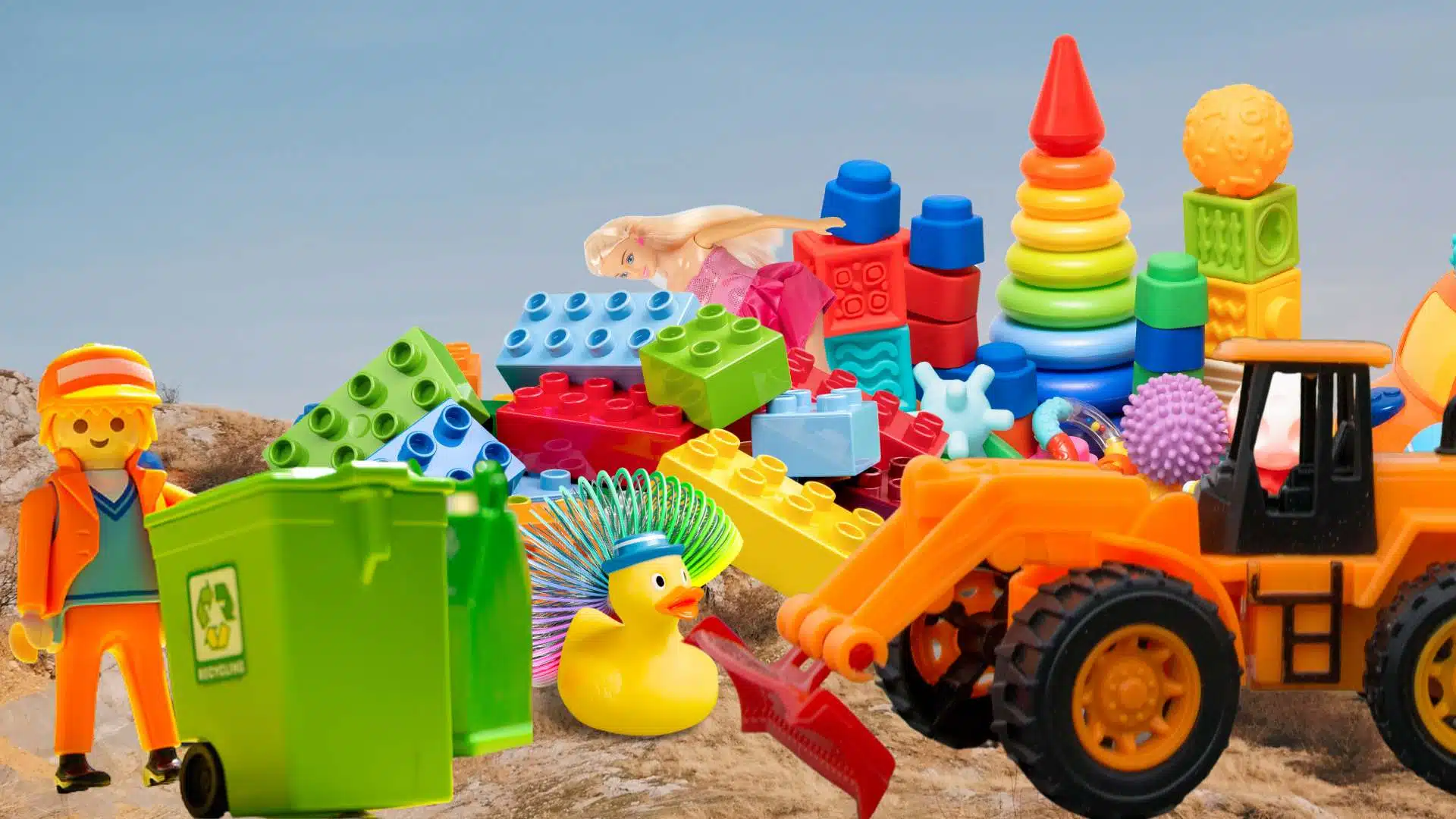
- Fine Motor Skills: Building blocks, threading sets, and clay modeling.
- Scientific Inquiry: Chemistry sets, microscopes, and anatomy models.
- Creativity and Expression: Art supplies, musical instruments, and creative construction sets.
What Are Entertainment Toys?
Entertainment toys prioritize immediate engagement, imaginative roleplay, and sensory fun. Their primary goal is to provide a rewarding experience that keeps a child occupied and happy. Common examples include:
- Action Figures and Dolls: Used for open-ended narrative play.
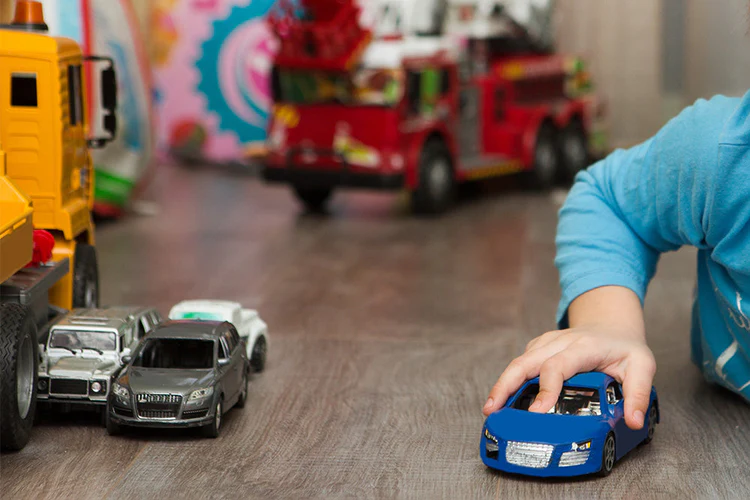
- Remote-Controlled Vehicles: Focus on thrill and dexterity.
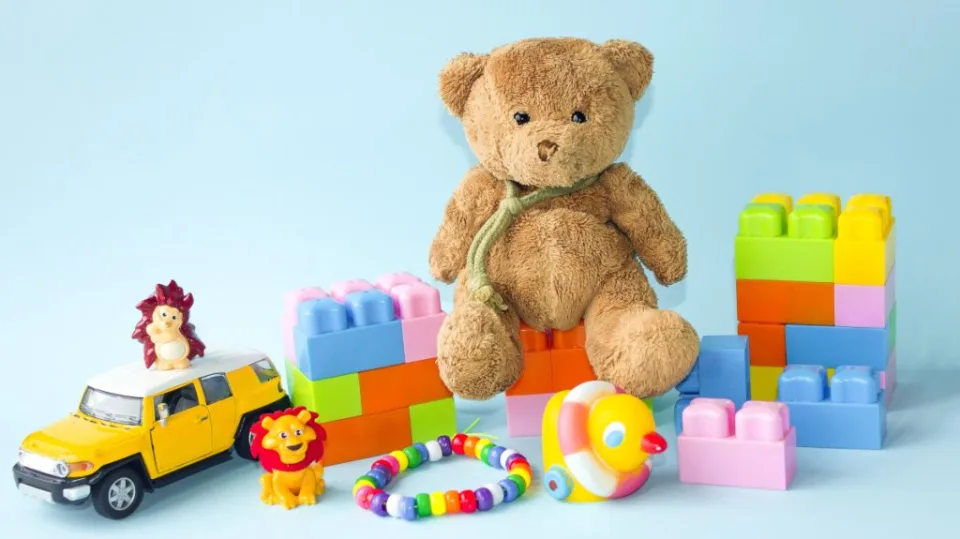
- Plush Toys: Provide comfort and companionship.
- Board Games (Casual): Focus on social interaction and group fun rather than academic learning.
Comparison Table: Educational vs. Entertainment Toys
| Feature | Educational Toys | Entertainment Toys |
|---|---|---|
| Primary Goal | Skill acquisition & cognitive growth | Enjoyment & stress relief |
| Play Pattern | Structured or goal-oriented | Open-ended & spontaneous |
| Longevity | High (often grow with the child) | Variable (based on trends/interests) |
| Parental Involvement | Often requires guidance | Usually independent play |
| Main Benefit | Builds confidence & knowledge | Develops imagination & emotional health |
The Developmental Benefits of Educational Toys
The rise of "Edutainment" has proven that learning through play is the most effective way for children to absorb complex information. Educational toys provide a "scaffolded" approach to learning, where a child starts with a simple concept and gradually moves toward mastery. For example, a set of magnetic tiles teaches basic geometry and physics principles—such as balance, symmetry, and gravity—without the child feeling like they are sitting in a classroom.
Furthermore, these toys help develop patience and persistence. When a child attempts to build a structure that keeps collapsing, they are learning trial-and-error—a critical life skill. By focusing on the process rather than the final result, educational toys build a "growth mindset" that is invaluable in academic and professional settings later in life.
The Importance of Pure Entertainment
It is a common mistake to view entertainment toys as "lesser" or "non-productive." In reality, pure play is vital for a child’s emotional and social development. When a child engages with an action figure or a plush toy, they are practicing empathy, storytelling, and emotional regulation. This is often referred to as "socio-dramatic play."
Entertainment toys offer a safe space for children to process their experiences. Through roleplay, a child might act out a situation they encountered at school or home, allowing them to explore different perspectives and feelings. Furthermore, after a long day of structured learning at school, children need an outlet for "unstructured play." Entertainment toys provide this necessary downtime, allowing the brain to rest and recharge, which is just as important as active cognitive work.
How to Balance Your Toy Collection
The secret to a healthy toy box is balance. Overloading a child with only educational toys can lead to burnout, making playtime feel like "extra homework." Conversely, a collection consisting solely of entertainment toys may miss out on key opportunities to challenge a child's intellect.
1. The 70/30 Rule
Many child development experts suggest a mix of 70% open-ended, creative, or educational toys and 30% interest-based entertainment toys. This ensures that the majority of the environment supports growth, while the smaller portion allows for pure, personal enjoyment.
2. Look for "Open-Ended" Features
The best toys are those that can be used in multiple ways. A classic set of wooden blocks is technically an educational toy, but it functions as an entertainment toy when used to build a castle for a plastic dragon. Look for items that bridge the gap between categories.
3. Follow the Child’s Lead
If your child is obsessed with dinosaurs, do not force them into a math-based toy just because it is "educational." Instead, find an educational toy that aligns with their interest, such as a fossil excavation kit or a dinosaur-themed puzzle. By meeting them where their interests lie, you increase the likelihood of engagement.
Current Trends in the Toy Industry
The toy market is currently undergoing a shift toward sustainability and digital integration. Regardless of whether you choose educational or entertainment toys, keep these trends in mind:
- Sustainability: Parents are increasingly opting for wooden, bamboo, or recycled plastic toys over single-use plastic options. These toys tend to be more durable and have a lower environmental impact.
- Phygital Play: This refers to toys that bridge the physical and digital worlds. Some board games now come with apps that provide interactive instructions or additional challenges, blending the tactile experience of a physical toy with the engagement of digital technology.
- Inclusivity: There is a significant movement toward toys that represent diverse cultures, abilities, and body types, allowing every child to see themselves reflected in their playthings.
Buying Guide: Questions to Ask Before You Purchase
Before heading to the checkout, consider these four questions to ensure you are making a smart purchase:
- Is this toy age-appropriate? Always check the manufacturer’s age recommendation. A toy that is too difficult will cause frustration, while one that is too simple will be discarded within minutes.
- Does it encourage active play? Will the child be doing the work, or will the toy do all the work for them (e.g., a toy that moves and talks on its own vs. one that requires manual manipulation)? Active play is almost always better for development.
- Is it durable? Can it withstand the wear and tear of daily play? Quality construction is better than quantity.
- Does it align with current developmental goals? Is your child currently struggling with counting, or perhaps needing to practice fine motor skills like buttoning or zipping? Choose toys that address these specific, current needs.
Conclusion
The debate between educational and entertainment toys is not a zero-sum game. A well-rounded toy collection is a mix of both. Educational toys provide the building blocks for intellectual development and problem-solving, while entertainment toys offer the freedom, joy, and emotional processing necessary for a happy childhood. By focusing on quality, durability, and the child's individual interests, you can create a play environment that is both enriching and deeply satisfying. Remember, the best toy is not necessarily the most expensive or the most high-tech—it is the one that sparks the child's curiosity and keeps them engaged, day after day.