The Ultimate Guide to Finding the Best Toys for Every Age and Occasion
Choosing the right toys can be a delightful yet challenging endeavor. In a world brimming with options, from classic wooden blocks to cutting-edge tech gadgets, how do you navigate the vast landscape to find the perfect playthings that will spark joy, foster development, and stand the test of time? This comprehensive guide is designed to equip you with the knowledge and insights to become a savvy toy shopper, ensuring you always find the best toys for every child and every occasion. We'll delve into the nuances of age-appropriateness, developmental benefits, trending toys, and practical tips to make your purchasing decisions informed and rewarding.
Understanding the Importance of Play and Toys
Play is not merely a pastime; it's a fundamental aspect of childhood development. Through play, children explore their world, learn new skills, develop problem-solving abilities, enhance their creativity, and build social and emotional intelligence. Toys serve as the tools and catalysts for this essential process. The right toys can:
- Stimulate cognitive development by encouraging critical thinking, memory, and spatial reasoning.
- Promote physical development through activities that enhance fine and gross motor skills.
- Foster creativity and imagination, allowing children to invent stories, scenarios, and solutions.
- Develop social and emotional skills through cooperative play, role-playing, and understanding emotions.
- Enhance language and communication skills as children describe their actions, negotiate ideas, and express themselves.
When we talk about the "best toys," we're referring to those that effectively support these developmental milestones while also being engaging, safe, and enjoyable for the child.
Age-Appropriate Toys: A Foundational Principle
One of the most crucial factors in selecting the best toys is ensuring they are age-appropriate. A toy that is too simple may bore a child, while one that is too complex can lead to frustration. Understanding developmental stages is key:
Toys for Infants (0-12 Months)
During their first year, babies are primarily focused on sensory exploration and developing basic motor skills. The best toys for this age group are:
- Sensory Toys: Soft rattles, crinkle toys, textured balls, and activity mats that stimulate sight, sound, and touch.
- Mobiles and Gyms: Encouraging visual tracking and reaching.
- Teethers: Soothing sore gums and aiding oral exploration.
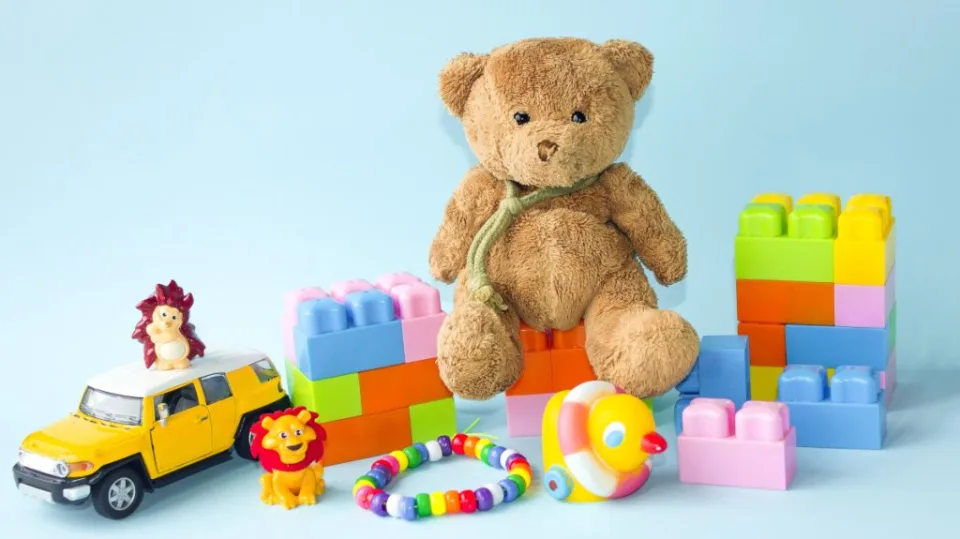
- Soft Stuffed Animals: For comfort and early interaction.
- Stacking Rings and Cups: Introducing basic concepts of size and order.
Safety is paramount. Ensure all toys are free from small parts that could be a choking hazard and made from non-toxic materials.
Toys for Toddlers (1-3 Years)
Toddlers are becoming more mobile and independent. They are developing language, problem-solving skills, and an interest in imaginative play. The best toys include:
- Building Blocks: Large, easy-to-handle blocks for stacking and creating simple structures.
- Push and Pull Toys: Encouraging gross motor skills and coordination.
- Shape Sorters and Puzzles: Developing fine motor skills and shape recognition.
- Pretend Play Items: Toy kitchens, tools, dolls, and animal figures to foster imagination.
- Board Books: Sturdy books with bright pictures to introduce reading.
- Ride-on Toys: For active play and balance.
At this age, toys that encourage open-ended play, where a child can use their imagination to create different scenarios, are particularly valuable.
Toys for Preschoolers (3-5 Years)
Preschoolers are expanding their social skills, engaging in more complex imaginative play, and developing early literacy and numeracy skills. The best toys for this age group are:
- Art Supplies: Crayons, washable markers, safety scissors, playdough, and construction paper to encourage creativity.
- Dress-Up Clothes and Props: Fueling imaginative role-playing.
- Building Sets: More intricate building blocks or construction sets that allow for more complex creations.
- Simple Board Games: Introducing turn-taking, rule-following, and basic strategy.
- Educational Toys: Alphabet puzzles, number games, and science kits designed for early learners.
- Outdoor Play Equipment: Tricycles, scooters, and balls for active fun.
Toys that encourage problem-solving, such as puzzles with more pieces or construction sets, are excellent for this age.
Toys for School-Aged Children (6-12 Years)
School-aged children are refining their skills, developing a sense of competence, and often have specific interests. The best toys can cater to these developing passions:
- Complex Building Sets: LEGOs, K'nex, and other construction systems that require planning and precision.
- Science and Experiment Kits: Exploring chemistry, physics, electronics, and biology in a hands-on way.
- Strategy Board Games and Card Games: For developing critical thinking and social interaction.
- Art and Craft Kits: Advanced kits for drawing, painting, sculpting, jewelry making, or model building.
- Sports Equipment: Balls, bats, rackets, and protective gear for active play.
- Coding and Robotics Toys: Introducing STEM concepts in an engaging format.
- Books: Chapter books, graphic novels, and non-fiction books tailored to their reading level and interests.
At this stage, toys that challenge their intellect, encourage teamwork, and support their burgeoning hobbies are ideal.
Toys for Teenagers (13+ Years)
While teenagers may seem less interested in traditional toys, they still benefit from engaging activities that foster creativity, critical thinking, and social connection. The best options often include:
- Advanced STEM Kits: Robotics, electronics, and coding kits that offer complex challenges.
- Strategy Board Games: More involved games that require strategic planning and negotiation.
- Art and Music Supplies: High-quality materials for drawing, painting, digital art, or musical instruments.
- Hobby-Related Items: Kits for model building, photography equipment, or supplies for crafting specific items.
- Books and Graphic Novels: Exploring complex themes and diverse genres.
- Outdoor and Adventure Gear: For active lifestyles and exploration.
The focus shifts towards developing sophisticated skills, pursuing interests in depth, and engaging in activities that promote critical thinking and creativity.
Categories of Best Toys: Beyond Age
While age is a primary consideration, understanding different toy categories can help you select items that align with specific developmental goals or a child's personality:
Educational Toys
These toys are designed to teach specific skills or concepts. They can range from simple alphabet blocks to complex science kits. The best educational toys are those that:
- Are engaging and fun, so learning doesn't feel like a chore.
- Offer hands-on experiences for better understanding.
- Are adaptable to different learning styles and paces.
- Promote critical thinking and problem-solving rather than rote memorization.
Creative and Artsy Toys
These toys encourage imagination, self-expression, and fine motor skill development. Examples include:
- Play-Doh and modeling clay
- Drawing and painting supplies
- Building blocks and construction sets
- Puppets and dress-up costumes
- Craft kits for various ages
The best creative toys allow for open-ended exploration, where there isn't a single "right" way to play.
Active and Outdoor Toys
These toys promote physical activity, coordination, and healthy habits. They are essential for children of all ages.
- Balls, jump ropes, and frisbees
- Bicycles, scooters, and skateboards
- Tricycles and ride-on toys
- Play structures and swings
- Water toys and sand toys
The best active toys encourage movement, exploration, and outdoor engagement.
Imaginative and Pretend Play Toys
These toys are crucial for developing social skills, emotional intelligence, and language. They allow children to explore different roles and scenarios.
- Dolls and action figures
- Toy kitchens and food sets
- Tool sets and workbenches
- Dollhouses and playsets
- Costumes and props
The best pretend play toys often have simple designs that allow children to imbue them with their own narratives.
STEM Toys
Science, Technology, Engineering, and Mathematics toys are increasingly popular and vital for preparing children for a future driven by innovation.
- Robotics kits
- Coding toys and apps
- Science experiment kits
- Building and engineering sets
- Telescopes and microscopes
The best STEM toys make complex concepts accessible and exciting through hands-on learning.
Puzzles and Games
These toys enhance problem-solving, logical thinking, and strategic planning, while also fostering patience and perseverance.
- Jigsaw puzzles
- Logic puzzles
- Board games (from simple to complex)
- Card games
- Brain teasers
The best puzzles and games offer a satisfying challenge and a sense of accomplishment upon completion.
Trending Toys: What's Hot Right Now?
Staying aware of current trends can help you discover popular and engaging toys that children are excited about. While trends can change rapidly, some perennial favorites and emerging categories often capture attention:
- Open-Ended Building Systems: Brands that allow for infinite creativity, encouraging children to build anything they can imagine, remain consistently popular.
- STEM and Coding Kits: As technology advances, toys that introduce coding, robotics, and engineering principles in a fun, accessible way are in high demand.
- Eco-Friendly and Sustainable Toys: There's a growing awareness and preference for toys made from natural, recycled, or sustainable materials, appealing to environmentally conscious parents.
- Interactive and Educational Apps/Games: While not traditional toys, digital platforms that offer educational content and engaging gameplay are a significant part of a child's play landscape.
- Sensory and Calming Toys: Toys that help children explore textures, manage sensory input, or provide a sense of calm are increasingly sought after, particularly for children with sensory sensitivities.
- Collectible Toys: Small, often surprise-filled collectible items continue to be popular, driving engagement through trading and collecting.
- Retro and Nostalgic Toys: Classic toys are often re-released or re-imagined, appealing to parents who want to share their childhood favorites with their children.
When considering trending toys, always balance the hype with the toy's actual developmental value and suitability for the child.
Tips for Buying the Best Toys
Navigating the toy market can be overwhelming. Here are some practical tips to help you make informed purchasing decisions:
1. Prioritize Safety Standards
This cannot be stressed enough. Always check for safety certifications (e.g., ASTM, CE) and ensure toys are appropriate for the child's age to avoid choking hazards or injuries. Avoid toys with sharp edges, small detachable parts, or toxic materials.
2. Consider Durability and Longevity
The best toys are those that can withstand repeated play and remain engaging over time. Invest in well-made toys that are likely to last, rather than cheap items that break easily.
3. Read Reviews and Seek Recommendations
Online reviews from other parents and educators can provide valuable insights into a toy's quality, play value, and durability. Don't hesitate to ask for recommendations from friends, family, or teachers.
4. Think About Open-Ended Play
Toys that can be used in multiple ways and encourage imagination are often the most valuable. These toys grow with the child and offer endless possibilities for creativity.
5. Observe the Child's Interests
The most successful toys are those that align with a child's individual interests and personality. Pay attention to what captures their attention and sparks their curiosity.
6. Balance Screen Time with Physical Play
While digital toys have their place, ensure a healthy balance with toys that encourage physical activity, social interaction, and hands-on exploration.
7. Look for Developmental Benefits
Consider how a toy can support a child's cognitive, physical, social, or emotional development. The best toys often offer multiple benefits.
8. Don't Overwhelm with Too Many Toys
Sometimes, less is more. A few well-chosen, high-quality toys can be more beneficial than a large collection of mediocre ones. This helps children focus and appreciate the toys they have.
9. Consider the "Play Value"
This refers to how much engagement and learning a toy offers. A toy with high play value can be used in many different ways and over a long period.
10. Think About the Environment
Consider the materials the toy is made from and its overall environmental impact. Sustainable and eco-friendly options are becoming increasingly important.
The Best Toys: A Comparative Look
To illustrate the concept of "best toys," let's consider a hypothetical scenario comparing different types of toys for a preschooler interested in building and problem-solving.
| Toy Type | Pros | Cons | Developmental Benefits | Play Value |
|---|---|---|---|---|
| Basic Wooden Blocks | Durable, simple, encourages imagination, safe | Limited complexity | Fine motor skills, spatial reasoning, creativity | High (can be used for endless creations) |
| Interlocking Plastic Building Bricks (e.g., LEGO Duplo) | Easy to connect, versatile, introduces engineering concepts | Can be more structured than blocks | Fine motor skills, problem-solving, creativity, early engineering | Very High (complex structures possible) |
| Magnetic Building Tiles | Easy to assemble, visually appealing, teaches geometry | Can be more expensive | Spatial reasoning, geometry, creativity, fine motor skills | High (creates stable, often transparent structures) |
| Simple Puzzle (12-24 pieces) | Develops problem-solving, patience | Limited to one outcome | Problem-solving, critical thinking, fine motor skills, visual discrimination | Moderate (play value is in the challenge of completion) |
In this comparison, all toys offer value. However, interlocking bricks and magnetic tiles might offer a higher degree of complexity and longer-term engagement for a child who enjoys building and problem-solving, making them strong contenders for "best toys" in that specific context. The "best" toy ultimately depends on the individual child's needs and interests.
Conclusion: The Enduring Value of Thoughtful Toy Selection
Finding the best toys is an ongoing journey that involves understanding child development, staying informed about trends, and prioritizing safety and quality. By considering age-appropriateness, developmental benefits, and a child's unique interests, you can select playthings that not only entertain but also enrich their lives. The right toys are more than just objects; they are gateways to learning, creativity, and invaluable childhood memories. Invest time in thoughtful selection, and you'll discover toys that bring lasting joy and contribute significantly to a child's growth and well-being.