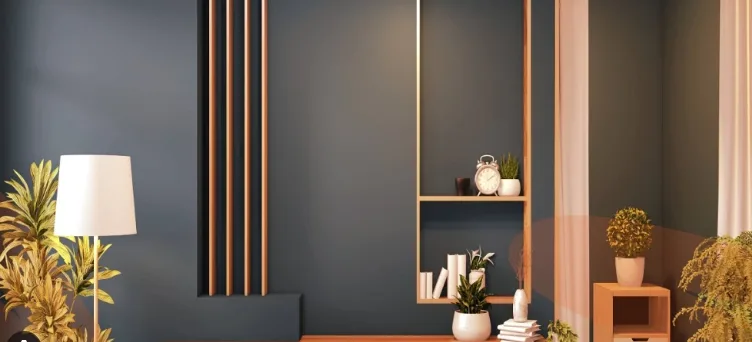
Elevate Your Living Space: A Comprehensive Comparison of Essential Home Accessories
Transforming a house into a warm, inviting, and functional home is a journey that goes far beyond the basic necessities. It's in the thoughtful selection and placement of home accessories that personality truly shines through, comfort is amplified, and everyday living becomes a more delightful experience. Home accessories are the unsung heroes of interior design, adding character, style, and practicality to every room. From the subtle charm of decorative cushions to the essential utility of smart storage solutions, these items play a crucial role in defining the aesthetic and atmosphere of your dwelling.
However, navigating the vast landscape of home accessories can be overwhelming. With an endless array of options, styles, and functionalities, choosing the right pieces can feel like a daunting task. This article aims to demystify the process by providing a comprehensive comparison of popular categories within the home accessories niche. We'll delve into the benefits, considerations, and ideal applications of various types of accessories, empowering you to make informed decisions that will enhance your living space.
The Power of Textiles: Cushions vs. Throws vs. Rugs
Textiles are arguably the most versatile and impactful category of home accessories. They introduce color, texture, pattern, and warmth, instantly softening a space and making it feel more lived-in and comfortable. Within this broad category, cushions, throws, and rugs stand out as key players, each offering unique contributions to a room's design and feel.
Cushions: The Versatile Accents
Cushions are the workhorses of textile accessories. They can be used on sofas, armchairs, beds, and even floors, providing both comfort and a significant aesthetic boost. Their relatively small size and variety of designs make them an accessible way to experiment with trends and introduce personality.
Key Considerations for Cushions:
- Material: Options range from luxurious velvets and silks to durable cottons and linens. Consider the feel, washability, and durability required for the intended use.
- Size and Shape: Standard square cushions are common, but round, bolster, and lumbar shapes offer different visual interests and support.
- Color and Pattern: Cushions are ideal for introducing pops of color or intricate patterns. They can either complement existing decor or serve as a focal point.
- Filling: Feather or down fillings offer a plush, luxurious feel, while polyester fillings are often more affordable and hypoallergenic.
Ideal Applications:
- Adding comfort and visual interest to living room seating.
- Layering on beds for a cozy and inviting look.
- Creating a relaxed, bohemian vibe on floor seating areas.
- Introducing seasonal themes or holiday cheer.
Throws: The Cozy Layer
Throws are designed to provide warmth and add a layer of texture and color to furniture. They are typically larger than cushions and are draped over sofas, chairs, or the foot of a bed.
Key Considerations for Throws:
- Material: Wool, cashmere, faux fur, and chunky knits are popular for their warmth and luxurious feel. Cotton and linen throws offer lighter options for warmer climates or decorative purposes.
- Weight and Texture: A heavier throw provides more warmth, while a lighter one is suitable for decorative draping. Textures like cable knits, ribbed weaves, or smooth finishes all contribute to the overall aesthetic.
- Size: Ensure the throw is large enough to drape effectively over your furniture without looking too small or overwhelming.
Ideal Applications:
- Adding a touch of coziness and style to a sofa or armchair.
- Providing extra warmth on chilly evenings.
- Draping over the foot of a bed for added texture and visual appeal.
- A practical and stylish accessory for outdoor seating areas.
Rugs: The Foundation of a Room
Rugs are larger textile accessories that define spaces, add warmth underfoot, and anchor furniture arrangements. They can significantly impact the overall mood and style of a room.
Key Considerations for Rugs:
- Material: Natural fibers like wool, cotton, jute, and sisal offer durability and a natural aesthetic. Synthetic fibers like nylon and polyester are often more stain-resistant and budget-friendly.
- Size and Placement: The size of the rug is crucial. It should be large enough to tie the main furniture pieces together. In a living room, at least the front legs of sofas and chairs should rest on the rug. In a dining room, the rug should be large enough for chairs to remain on it even when pulled out.
- Pile Height: Low-pile rugs are easier to clean and maintain, while high-pile or shag rugs offer a plush, luxurious feel.
- Pattern and Color: Rugs can be a bold statement piece or a subtle foundation. Consider how the rug's design will interact with other elements in the room.
Ideal Applications:
- Defining the seating area in a living room.
- Adding warmth and style to a bedroom floor.
- Creating a cozy and inviting entryway.
- Protecting floors and adding a decorative element to dining rooms or hallways.
Illuminating Your Space: Lamps vs. Candles
Lighting is a critical component of home design, influencing mood, functionality, and ambiance. While overhead lighting provides general illumination, accent lighting from lamps and the soft glow of candles create a more intimate and inviting atmosphere.
Lamps: Functional and Decorative Light Sources
Lamps, including table lamps, floor lamps, and desk lamps, offer versatile lighting solutions that can be strategically placed to enhance specific areas of a room.
Key Considerations for Lamps:
- Style: Lamps come in an endless variety of styles, from modern and minimalist to traditional and ornate. Choose a style that complements your existing decor.
- Size: Ensure the lamp is proportionate to the furniture it sits on or the space it occupies. A too-small lamp can look lost, while an oversized one can overwhelm the area.
- Shade: The lampshade significantly impacts the light diffusion and the overall aesthetic. Materials, colors, and shapes of shades can alter the mood of the light.
- Bulb Type: Consider the warmth and brightness of the bulb. LED bulbs offer energy efficiency and a variety of color temperatures.
Ideal Applications:
- Providing task lighting for reading or working.
- Creating ambient light for relaxation and conversation.
- Highlighting architectural features or decorative objects.
- Adding a decorative element to bedside tables or console tables.
Candles: Ambiance and Fragrance
Candles are a timeless accessory that adds a warm, flickering glow and can also introduce delightful fragrances into a home. They are perfect for creating a relaxing and intimate atmosphere.
Key Considerations for Candles:
- Material: Soy, beeswax, and paraffin are common candle materials, each with different burning properties and environmental impacts.
- Fragrance: Choose scents that align with the mood you want to create – calming lavender for bedrooms, invigorating citrus for kitchens, or warm vanilla for living areas.
- Burn Time: Consider how long you want the candle to burn. Larger candles generally have longer burn times.
- Safety: Always place candles on a heat-resistant surface, away from flammable materials, and never leave them unattended.
Ideal Applications:
- Creating a romantic atmosphere for dinner or a relaxing evening.
- Adding a subtle fragrance to a room.
- Providing a soft, ambient light during power outages.
- As decorative elements on mantels, coffee tables, or shelves.
Organizing with Style: Baskets vs. Decorative Boxes
Effective storage is essential for a clutter-free and serene living space. Baskets and decorative boxes offer stylish solutions for organizing a variety of items, from blankets and toys to mail and small accessories.
Baskets: Natural Charm and Versatility
Baskets, often made from natural materials like wicker, rattan, seagrass, or fabric, bring a touch of organic texture and warmth to a room while providing ample storage.
Key Considerations for Baskets:
- Material: The material will influence the aesthetic and durability. Wicker and rattan offer a rustic feel, while fabric baskets can be more contemporary.
- Size and Shape: Baskets come in various sizes, from small desk organizers to large laundry hampers. Choose shapes that fit your storage needs and the available space.
- Lining: Some baskets come with fabric linings, which can protect delicate items and prevent snags.
- Handles: Handles make baskets easier to carry and move around.
Ideal Applications:
- Storing blankets, throws, and pillows in the living room.
- Organizing toys and games in a playroom or nursery.
- Holding firewood near a fireplace.
- As stylish laundry hampers.
- Storing magazines and newspapers.
Decorative Boxes: Sleek and Concealed Storage
Decorative boxes offer a more refined and discreet way to store items. They can be made from wood, metal, acrylic, or covered in fabric or leather, often featuring elegant designs.
Key Considerations for Decorative Boxes:
- Material and Finish: The material and finish will dictate the style. High-gloss lacquer, brushed metal, or textured leather can add a sophisticated touch.
- Lid Type: Hinged lids, lift-off lids, or slide-open designs offer different levels of accessibility and visual appeal.
- Size and Compartments: Choose boxes that are appropriately sized for the items you intend to store. Some boxes have internal compartments for further organization.
- Aesthetic: Decorative boxes are often chosen for their visual appeal as much as their storage function, so ensure they complement your decor.
Ideal Applications:
- Storing remote controls, coasters, and small electronics on a coffee table or console.
- Organizing desk supplies like pens, paperclips, and stationery.
- Keeping jewelry, keepsakes, or important documents secure.
- Storing toiletries or makeup in a bathroom or vanity area.
Enhancing Visual Appeal: Wall Art vs. Mirrors
The walls of your home are a blank canvas waiting to be adorned. Wall art and mirrors are two powerful accessories that can transform the look and feel of a room, adding personality, depth, and light.
Wall Art: Expressing Personality and Style
Wall art encompasses a wide range of decorative pieces, including paintings, prints, photographs, tapestries, and sculptures, allowing you to express your individual taste and creativity.
Key Considerations for Wall Art:
- Style and Subject Matter: Choose art that resonates with you and complements the room's overall style. Abstract pieces, landscapes, portraits, or typographic art all offer different vibes.
- Size and Scale: The size of the artwork should be proportionate to the wall space and the furniture below. A large statement piece can anchor a room, while a gallery wall of smaller pieces can create visual interest.
- Color Palette: Consider how the colors in the artwork will interact with the existing color scheme of the room.
- Framing: The frame plays a significant role in the presentation of the art. A simple frame can let the art speak for itself, while an ornate frame can add a decorative touch.
Ideal Applications:
- Adding a focal point to a living room or dining room.
- Personalizing a bedroom or home office.
- Creating a gallery wall in a hallway or staircase.
- Adding color and texture to a minimalist space.
Mirrors: Reflecting Light and Space
Mirrors are not only functional for quick checks but also incredibly effective at making a space feel larger, brighter, and more open by reflecting light and the surrounding environment.
Key Considerations for Mirrors:
- Size and Shape: Mirrors come in all shapes and sizes, from small decorative accent mirrors to large floor-to-ceiling pieces. Consider the scale of the wall and the desired impact.
- Frame: The frame of a mirror can be a decorative element in itself. Ornate frames add a touch of glamour, while minimalist frames suit modern interiors.
- Placement: Strategic placement is key. Placing a mirror opposite a window will maximize natural light and create a sense of depth. Placing it above a fireplace or console table can serve as a stylish focal point.
- Type: Beveled edges, antique finishes, or colored glass can add unique character to a mirror.
Ideal Applications:
- Making a small room feel larger and brighter.
- Adding a decorative element to an entryway or hallway.
- Creating a focal point above a fireplace or console table.
- Enhancing natural light in a dimly lit room.
The Finishing Touches: Decorative Objects and Greenery
Beyond the larger categories, smaller decorative objects and the introduction of natural elements like plants are the final, crucial layers that bring a home to life.
Decorative Objects: Personality and Panache
These are the items that truly reflect your personality and add character to shelves, tables, and mantels. They can include vases, sculptures, figurines, trays, and other curated pieces.
Key Considerations for Decorative Objects:
- Curate, Don't Clutter: Choose a few well-selected pieces that you love rather than filling every surface.
- Vary Height and Texture: Group objects of different heights and textures to create visual interest.
- Consider Scale: Ensure the objects are proportionate to the surface they are placed on and the surrounding furniture.
- Personal Meaning: Incorporate items that have sentimental value or tell a story.
Ideal Applications:
- Adding visual interest to coffee tables and console tables.
- Styling bookshelves and mantels.
- As centerpieces for dining tables.
- Adding a touch of personality to side tables.
Greenery: Life and Vibrancy
Plants, whether real or high-quality artificial, bring life, color, and a sense of tranquility to any space. They can purify the air (real plants) and add a natural aesthetic.
Key Considerations for Greenery:
- Real vs. Artificial: Real plants require care but offer natural beauty and air-purifying benefits. High-quality artificial plants are a low-maintenance alternative.
- Plant Type: Choose plants that suit the light conditions of your home and your level of commitment to plant care.
- Planters and Pots: The container is as important as the plant itself. Choose pots that complement your decor.
- Placement: Consider where plants will thrive and where they will have the most visual impact.
Ideal Applications:
- Adding a pop of color to corners or empty spaces.
- Softening hard edges of furniture.
- Bringing a sense of nature indoors.
- Creating a calming and serene atmosphere.
Making the Right Choices for Your Home
The selection of home accessories is a deeply personal process. While trends can offer inspiration, the most successful interiors are those that reflect the homeowner's unique style, needs, and lifestyle. By understanding the roles and considerations of different accessory categories, you can approach the task with confidence.
Start with a Vision: Before you buy anything, consider the overall mood and style you want to achieve in each room. Do you prefer a minimalist, bohemian, modern, or traditional aesthetic? Your vision will guide your choices.
Prioritize Functionality: While aesthetics are important, don't overlook the practical aspects. Accessories should enhance the usability of your space. For example, a stylish storage basket is functional and beautiful.
Layer and Balance: Think about how different accessories will work together. Layering textures with cushions and throws, balancing visual weight with art and mirrors, and incorporating greenery can create a harmonious and inviting environment.
Don't Be Afraid to Mix and Match: While cohesion is important, a space that is too perfectly matched can feel sterile. Don't hesitate to mix different materials, patterns, and styles to create a more dynamic and personal look. The key is to do so thoughtfully.
Consider Scale and Proportion: This is a recurring theme because it's so critical. An accessory that is too large or too small for its intended space can disrupt the visual balance of a room.
Invest in Quality Where It Matters: While budget-friendly options are available for many accessories, consider investing in higher-quality pieces for items that will see a lot of use or are central to your decor, such as a durable rug or a well-crafted lamp.
Ultimately, home accessories are the elements that transform a house into a home. They are the details that tell your story, enhance your comfort, and make your living space a true reflection of you. By thoughtfully comparing and selecting from the diverse world of home accessories, you can create a space that is not only beautiful but also deeply personal and wonderfully functional.


