Elevate Your Living Space: A Comprehensive Comparison of Popular Home Accessories
Your home is more than just a structure; it's a sanctuary, a reflection of your personality, and a space where memories are made. The right home accessories can transform a house into a haven, adding warmth, style, and functionality. From decorative accents that capture your eye to practical items that streamline your daily life, the world of home accessories is vast and exciting. This article delves into a comparative analysis of some of the most popular categories within home accessories, helping you make informed decisions to curate a living space that truly resonates with you.
The Art of Ambiance: Lighting Accessories Compared
Lighting is arguably one of the most impactful elements in interior design. It sets the mood, highlights features, and can drastically alter the perception of space. Within home accessories, lighting encompasses a wide range of products, each serving a distinct purpose. We'll compare the most prevalent types:
Table Lamps vs. Floor Lamps
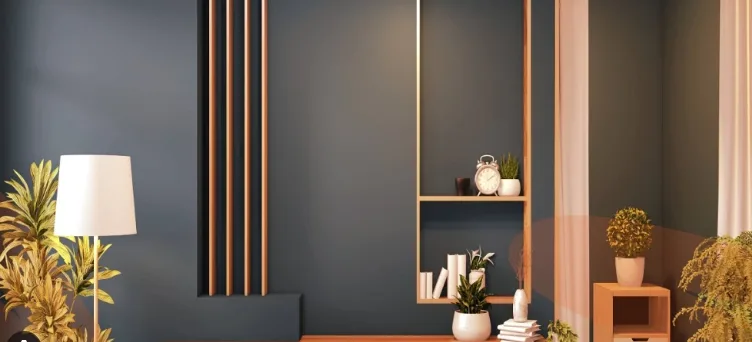
Both table lamps and floor lamps provide crucial illumination, but their placement and effect differ significantly. Table lamps are versatile, often used for task lighting on desks, bedside tables, or side tables. They offer focused light and can also serve as decorative pieces. Floor lamps, on the other hand, are typically larger and provide more ambient or general lighting for a room. They are ideal for illuminating corners, reading nooks, or areas that require broader light coverage.
| Feature | Table Lamps | Floor Lamps |
|---|---|---|
| Primary Function | Task lighting, accent lighting, decorative | Ambient lighting, general illumination, accent lighting |
| Placement | Desks, bedside tables, side tables, consoles | Living room corners, reading nooks, beside sofas, accentuating architectural features |
| Size | Compact to medium | Tall and slender to substantial |
| Portability | Highly portable | Moderately portable, often heavier |
| Style Impact | Adds a personal touch to surfaces, can be a focal point | Can anchor a room, create vertical interest, and provide significant light |
Smart Lighting vs. Traditional Lighting
The advent of smart technology has revolutionized lighting. Smart lighting systems offer unparalleled control and customization. Traditional lighting, while simpler, relies on manual switches and dimmers.
- Smart Lighting: Offers features like remote control via smartphone apps, voice command integration (with smart assistants), scheduling, scene creation, and color-changing capabilities. This provides convenience, energy efficiency through smart scheduling, and the ability to create dynamic lighting moods. The initial setup might require more technical understanding, and the cost can be higher.
- Traditional Lighting: This includes standard lamps with on/off switches, dimmer switches, and even simple pull chains. It's straightforward to use, generally more affordable upfront, and doesn't require any technological setup. However, it lacks the advanced features and customization of smart lighting.
Comfort and Coziness: Textile Accessories Compared
Textiles are the unsung heroes of home comfort, adding layers of texture, color, and warmth. They are essential for creating a welcoming and cozy atmosphere.
Cushions vs. Throws
Cushions and throws are the quintessential comfort accessories, often found gracing sofas and armchairs.
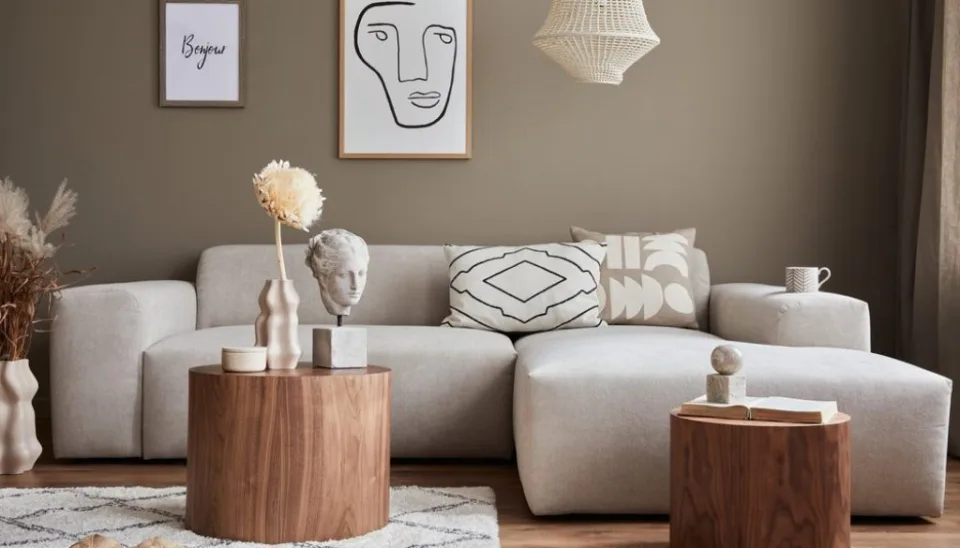
- Cushions: Primarily decorative and provide lumbar support. They come in a vast array of sizes, shapes, colors, and materials. Cushions are excellent for adding pops of color, introducing patterns, and enhancing the overall visual appeal of a seating area. They can also be rearranged easily to change the look of a room.
- Throws: Offer warmth and coziness, perfect for snuggling up on cooler evenings. Throws can be draped casually over furniture to add a layer of texture and visual interest. They are available in various materials like wool, cotton, fleece, and faux fur, each offering a different level of warmth and aesthetic.
| Feature | Cushions | Throws |
|---|---|---|
| Primary Function | Decoration, comfort, lumbar support | Warmth, coziness, decorative draping |
| Placement | Sofas, armchairs, beds, floor seating | Draped over sofas, armchairs, beds, folded on ottomans |
| Variety | Extensive in size, shape, color, pattern, material | Various materials, textures, colors, and weights |
| Ease of Change | Very easy to swap out for a new look | Easy to fold and store, or drape differently |
Rugs vs. Wall Hangings (Tapestries, Macrame)
Both rugs and wall hangings are significant decorative elements that can define a space and add personality. Their impact, however, is felt differently.
- Rugs: Ground a room, define zones within open-plan spaces, and add warmth and sound insulation. They come in countless materials, patterns, and sizes, from plush shags to flat-woven kilims. A well-chosen rug can tie a room together, introduce color, and protect your flooring.
- Wall Hangings: Draw the eye upwards, adding visual interest and texture to otherwise bare walls. Tapestries can bring intricate patterns and historical narratives, while macrame pieces offer a bohemian, handcrafted feel. They are excellent for adding a focal point without taking up floor space.
Functional Beauty: Storage and Organization Accessories Compared
An organized home is a peaceful home. Storage and organization accessories are crucial for maintaining order and maximizing space, while also contributing to the aesthetic of your interiors.
Baskets vs. Decorative Boxes
Both baskets and decorative boxes are excellent for corralling clutter, but they offer different stylistic approaches.
- Baskets: Often made from natural materials like wicker, rattan, seagrass, or jute, baskets lend a natural, earthy, and often bohemian or rustic feel. They are great for storing larger items like blankets, toys, or magazines, and can also be used for plants. Their open weave can add texture and visual interest.
- Decorative Boxes: Can be crafted from wood, metal, fabric, or even acrylic. They offer a more structured and often more formal or contemporary look. Boxes are ideal for storing smaller items like remote controls, stationery, or personal effects, keeping them completely hidden from view. They can also be stacked or arranged as decorative elements themselves.
| Feature | Baskets | Decorative Boxes |
|---|---|---|
| Typical Materials | Wicker, rattan, seagrass, jute, fabric | Wood, metal, fabric, acrylic, cardboard |
| Aesthetic | Natural, earthy, rustic, bohemian, casual | Sleek, modern, classic, formal, structured |
| Storage Type | Often open or partially open, good for bulkier items | Closed, good for hiding smaller items and keeping things dust-free |
| Versatility | Can be used for storage, plant holders, decorative accents | Primarily for storage, can be used as decorative stacking elements |
Shelving Units vs. Wall Shelves
When it comes to displaying and storing items, both shelving units and individual wall shelves play a vital role.
- Shelving Units: Freestanding units offer a significant amount of storage and display space. They can be open, closed, or a combination of both, and come in various sizes and styles to fit different rooms and needs. They are excellent for books, decorative items, or larger collections.
- Wall Shelves: These are mounted directly onto the wall, offering a more minimalist and space-saving solution. They are perfect for displaying smaller decorative items, photos, or even a few books. Floating shelves, in particular, create a clean, modern look.
Decorative Accents: Adding Personality and Style
Decorative accessories are the finishing touches that truly bring a home to life. They are chosen to express personal style and add visual appeal.
Vases vs. Sculptures/Figurines
Both vases and sculptures can serve as focal points, but their primary functions and visual impact differ.
- Vases: Primarily designed to hold flowers, bringing the beauty of nature indoors. However, even when empty, a well-designed vase can be a stunning decorative object. They come in an endless variety of materials, shapes, and sizes, from delicate glass to robust ceramic.
- Sculptures/Figurines: These are purely decorative art pieces. They can range from abstract forms to realistic representations, adding an artistic and sophisticated touch. Sculptures can be made from materials like metal, stone, wood, or resin, and their presence can evoke a sense of elegance or intrigue.
| Feature | Vases | Sculptures/Figurines |
|---|---|---|
| Primary Purpose | Holding flowers, decorative object when empty | Purely decorative art piece |
| Material Variety | Glass, ceramic, metal, wood, resin | Metal, stone, wood, resin, ceramic, glass |
| Style Impact | Brings in natural elements, can be minimalist or ornate | Adds artistic flair, sophistication, and personality |
| Placement | Tabletops, shelves, mantels, floor (larger pieces) | Tabletops, shelves, mantels, pedestals, floor |
Mirrors vs. Wall Art
Mirrors and wall art are both powerful tools for transforming a room's aesthetic and perceived size.
- Mirrors: Beyond their practical use for checking one's appearance, mirrors are exceptional at reflecting light, making spaces feel larger and brighter. They can be framed ornately or have a minimalist design, serving as both functional items and decorative statements. Strategically placed mirrors can enhance the natural light and create an illusion of depth.
- Wall Art: This encompasses paintings, prints, photographs, and other forms of visual art. Wall art is a direct expression of personality and taste. It can introduce color, texture, and subject matter that sparks conversation and adds character to a room. The right piece of art can become the focal point of a wall or an entire space.
Choosing the Right Home Accessories for Your Space
Selecting the perfect home accessories is a journey of personal expression. Here are some guiding principles:
- Consider Your Style: What is your overall aesthetic? Are you drawn to modern minimalism, cozy farmhouse, bohemian chic, or classic elegance? Your accessories should align with your chosen style.
- Functionality First: While aesthetics are important, don't overlook the practical needs of your space. Do you need more storage? Better lighting? Comfortable seating? Choose accessories that enhance both form and function.
- Scale and Proportion: Pay attention to the size of your accessories relative to your room and furniture. A tiny rug in a large living room or an oversized sculpture on a small side table can throw off the balance.
- Color Palette: Accessories are a fantastic way to introduce or complement your room's color scheme. Use them to add pops of color or to reinforce existing hues.
- Texture Play: Mixing different textures – soft throws, rough baskets, smooth ceramics – adds depth and visual interest to a room.
- Layering is Key: Don't be afraid to layer your accessories. Combine cushions with throws, place decorative boxes on shelves, and arrange artwork alongside plants.
- Don't Forget Lighting: As discussed, lighting accessories are crucial for setting the mood. Layer ambient, task, and accent lighting to create a dynamic and inviting atmosphere.
- Personal Touches: Incorporate items that have meaning to you – travel souvenirs, family photos, or handmade items. These personal touches make your house feel like a home.
The Ever-Evolving Trends in Home Accessories
The world of home accessories is constantly evolving, with new trends emerging regularly. Staying aware of these trends can help you keep your space feeling fresh and contemporary, though it's always important to choose what genuinely appeals to you rather than blindly following fads.
Sustainable and Eco-Friendly Options
There's a growing demand for home accessories made from sustainable, recycled, or ethically sourced materials. This includes natural fibers like organic cotton and linen, reclaimed wood, and recycled metals. Consumers are increasingly conscious of their environmental impact, leading to a rise in eco-friendly decor.
Biophilic Design Elements
Bringing the outdoors in continues to be a strong trend. This translates to accessories that incorporate natural elements like plants, wood, stone, and earthy color palettes. Think macrame plant hangers, wooden decorative bowls, and nature-inspired artwork.
Multifunctional and Space-Saving Solutions
In smaller living spaces or for those who value decluttering, multifunctional accessories are highly sought after. This includes items like storage ottomans, nesting tables, and wall-mounted organizers that serve dual purposes.
Textural Richness
Consumers are seeking out accessories that offer tactile appeal. Think chunky knit throws, velvet cushions, ribbed vases, and woven baskets. These textures add depth and a sense of coziness to interiors.
Bold Colors and Patterns
While neutrals remain popular, there's also a resurgence of bold colors and vibrant patterns in home accessories. This can be seen in statement rugs, artistic cushions, and eye-catching wall art, allowing for more personal and expressive decor choices.
Conclusion
Home accessories are the building blocks of a personalized and comfortable living space. By understanding the nuances and comparative benefits of different categories – from lighting and textiles to storage and decorative accents – you can make more intentional choices. Whether you're looking to enhance ambiance, boost functionality, or simply inject more personality into your home, the right accessories are your most powerful allies. Embrace the process of selection, experiment with different styles, and most importantly, create a space that truly feels like your own.