Home Accessories Showdown: Minimalism vs. Maximalism – Which Style Suits Your Space?
The art of interior design often boils down to a fundamental choice: how much is enough? When curating home accessories, homeowners frequently find themselves at a crossroads between the serene, uncluttered appeal of Minimalism and the vibrant, personality-driven approach of Maximalism. Both styles serve as powerful ways to express identity, but they require different strategies, accessory selections, and spatial considerations.
In this guide, we explore the nuances of these two dominant design philosophies. By comparing their core principles, accessory requirements, and practical application, you can determine which approach best elevates your living environment.
Understanding Minimalism: The Power of Intentionality
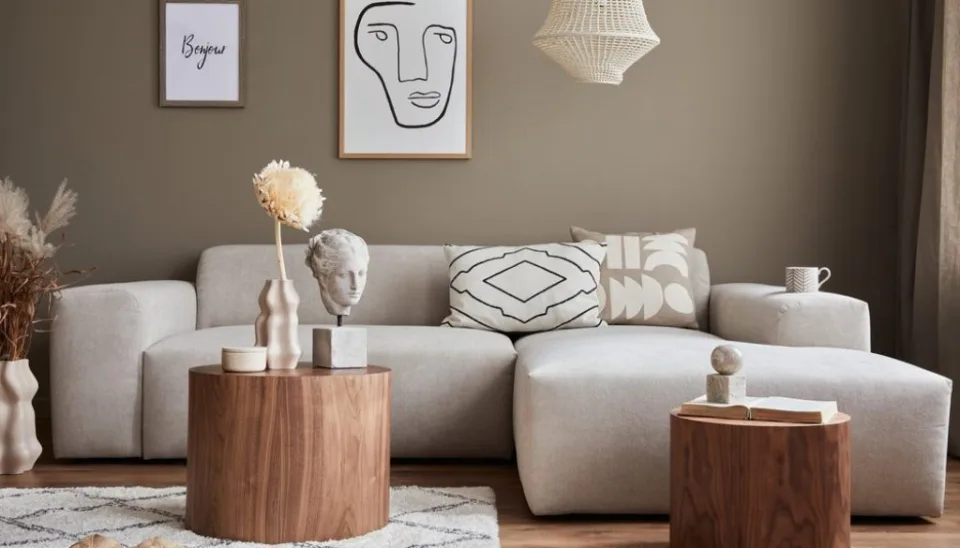
Minimalism in home accessories is not merely about having "less"; it is about the deliberate selection of items that provide either high utility or profound aesthetic value. In a minimalist home, every accessory serves a purpose, whether it is to provide comfort, light, or a singular point of visual interest.
Key Characteristics of Minimalist Accessories
- Neutral Palettes: Accessories often feature shades of beige, grey, white, or muted earth tones to maintain a cohesive look.
- Quality Over Quantity: One high-quality sculpture or a single, well-crafted ceramic vase is preferred over a collection of smaller trinkets.
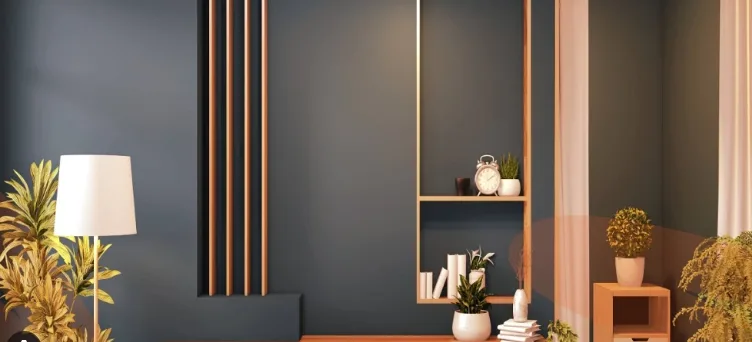
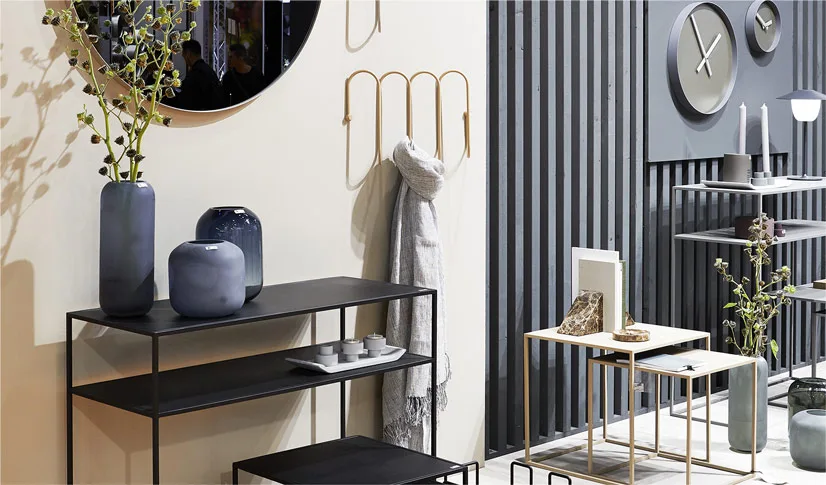
- Functional Art: Minimalist decor often doubles as functional items, such as a sleek, geometric metal clock or a hand-woven wool throw that provides texture without clutter.
- Negative Space: The "empty" space on a shelf or wall is treated as an accessory itself, allowing the eye to rest.
Understanding Maximalism: The Art of Expression
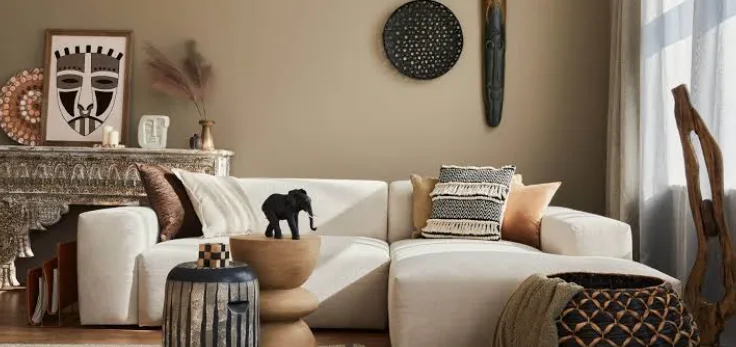
Maximalism is the antithesis of the "less is more" mantra. It is a celebration of abundance, color, and history. A maximalist home is a curated gallery of a person’s life, interests, and travels. It relies on the layering of textures, patterns, and eras to create a space that feels deeply personal and alive.
Key Characteristics of Maximalist Accessories
- Vibrant Colors and Patterns: Mixing bold prints, such as animal motifs with florals or geometric shapes, is a hallmark of the style.
- Layering: Maximalism thrives on depth. Think rugs layered over rugs, pillows stacked in varying sizes, and walls covered in art from floor to ceiling.
- Eclectic Collections: Displaying items that have sentimental value, such as vintage finds, family heirlooms, and contemporary art, side-by-side.
- Textural Richness: Incorporating velvet, silk, brass, rattan, and glass in a single room to create tactile stimulation.
Comparison Table: Minimalism vs. Maximalism
| Feature | Minimalist Approach | Maximalist Approach |
|---|---|---|
| Primary Goal | Creating calm and focus | Creating excitement and expression |
| Accessory Density | Low (sparse, curated) | High (abundant, layered) |
| Color Palette | Monochromatic or neutral | Bold, high-contrast, or polychromatic |
| Wall Decor | One statement piece or empty space | Gallery walls or floor-to-ceiling art |
| Textiles | Simple, textured, neutral | Patterned, vibrant, varied fabrics |
Choosing the Right Accessories for Your Space
Whether you lean toward the quietude of Minimalism or the energy of Maximalism, the success of your home accessories depends on how you choose and arrange them. Here is how to navigate the selection process for both styles.
Curating for a Minimalist Home
If you prefer a minimalist aesthetic, focus on "The Rule of One." Before adding an accessory, ask yourself: Does this piece enhance the functionality of the room, or does it bring me joy? Avoid "filler" items that are purchased just to fill a corner. Instead, invest in high-quality materials like solid wood, stone, or linen. A single, large-scale plant in a concrete planter is often more effective than five small plastic pots scattered across a windowsill.
Curating for a Maximalist Home
Maximalism can easily descend into chaos if not carefully managed. The secret to a successful maximalist space is "cohesive curation." Even if you have fifty items on a bookshelf, they should share a common thread—perhaps a color scheme, a recurring material (like brass), or a shared theme (like travel). Use trays to group smaller items together, which turns a collection of "clutter" into a deliberate "display."
The Role of Lighting as an Accessory
Lighting is a category of home accessories that bridges the gap between both styles. In a minimalist home, lighting is architectural. A sleek, black floor lamp with clean lines acts as a sculpture. In a maximalist home, lighting is a statement. A multi-colored stained-glass lamp or a dramatic, oversized chandelier becomes the focal point of the room.
Tips for Integrating Lighting:
- Minimalist: Choose fixtures with hidden light sources or matte finishes that blend into the wall or ceiling.
- Maximalist: Opt for fixtures that feature intricate metalwork, colorful shades, or unique, sculptural shapes that command attention.
Common Mistakes When Selecting Home Accessories
Regardless of your preferred style, there are universal pitfalls that homeowners fall into when shopping for home accessories.
1. Ignoring Scale and Proportion
One of the most common mistakes is choosing accessories that are too small for the space. In a minimalist room, a tiny vase on a large table will look lost. In a maximalist room, too many tiny items can make the room look like a disorganized flea market rather than a curated collection. Always measure your surfaces before purchasing.
2. The "Matching Set" Trap
Many homeowners buy matching accessory sets—a matching vase, bowl, and tray. While this is safe, it often results in a sterile or "catalog" look. To add personality, mix and match textures and eras. Pair a modern glass vase with a vintage wooden bowl to create visual interest.
3. Forgetting Vertical Space
Accessories aren't just for tabletops. Use walls and ceilings to add character. Floating shelves, wall-mounted sculptures, and hanging planters are excellent ways to add accessories without taking up valuable floor space.
Trends in Home Accessories: What to Watch
Home accessory trends are currently shifting toward sustainability and artisan craftsmanship. Whether you are a minimalist or a maximalist, these trends are worth incorporating into your space:
- Biophilic Design: Bringing the outdoors in. This includes natural wood accents, stone bowls, and indoor trees. It works perfectly in minimalist spaces for warmth and in maximalist spaces for texture.
- Handmade Ceramics: Irregular shapes and earthy glazes are trending. These pieces provide a unique, human touch to a room.
- Sustainable Materials: Bamboo, rattan, and recycled glass are becoming the go-to materials for conscious consumers.
- Bold Sculptural Shapes: Even in minimalist homes, we are seeing a move toward accessories with fluid, organic shapes that break up the rigidity of modern furniture.
Conclusion: Finding Your Balance
The choice between Minimalism and Maximalism is not a rigid binary; it is a spectrum. Many homeowners find their "sweet spot" somewhere in the middle—a style often called "Warm Minimalism" or "Curated Maximalism."
Warm Minimalism uses the principles of the minimalist approach but introduces softer textures and warmer colors to make the space feel cozy. Curated Maximalism uses the abundance of the maximalist approach but focuses on a tighter color palette to keep the space feeling sophisticated rather than chaotic.
When selecting your home accessories, remember that your home is a reflection of your personality. Do not feel pressured to adhere strictly to a design magazine's definition of a style. If you love the calm of an empty table but crave the color of a vibrant gallery wall, find a way to blend both. By choosing items that resonate with you and arranging them with intent, you will create a space that feels uniquely yours.
Start small. Experiment with one or two new accessories, observe how they change the energy of your room, and build from there. Whether you choose the path of quiet restraint or the path of joyful abundance, the right home accessories will transform your house into a home.