Home Accessories Showdown: Minimalism vs. Maximalism – Which Style Suits Your Space?
The art of interior design often boils down to one fundamental question: how do you fill your space? Home accessories are the jewelry of your living area—they provide personality, texture, and function. However, choosing the right accessories can be overwhelming. The debate between Minimalism and Maximalism has defined modern interior trends, and choosing the right approach is essential for creating a home that feels both curated and comfortable.
In this guide, we compare these two opposing philosophies within the home accessories niche to help you decide which aesthetic aligns with your lifestyle, budget, and personality.
Understanding Minimalism in Home Accessories
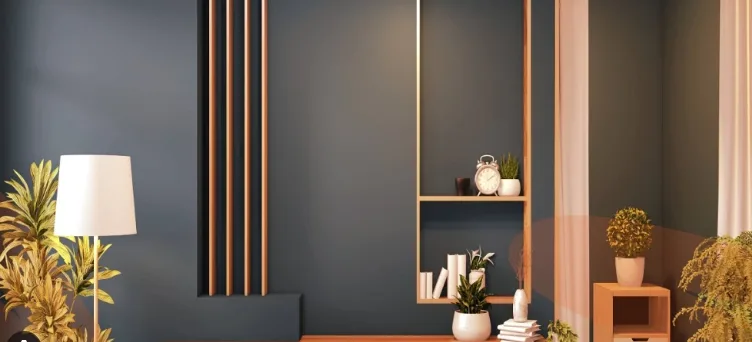
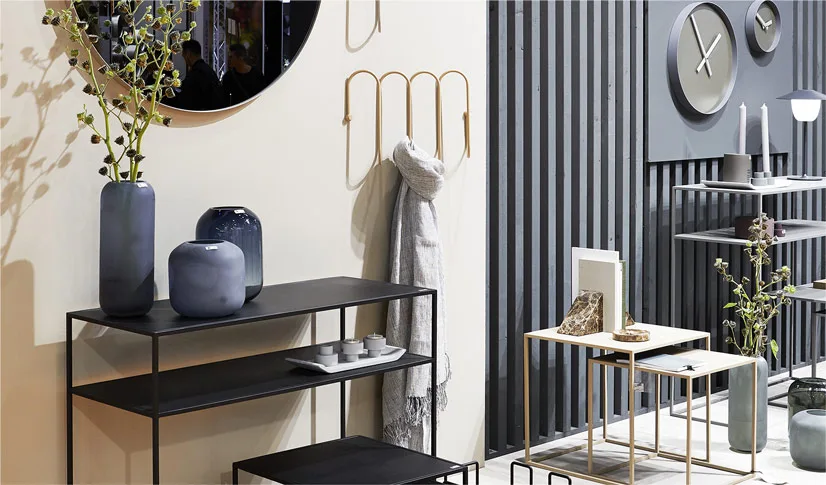
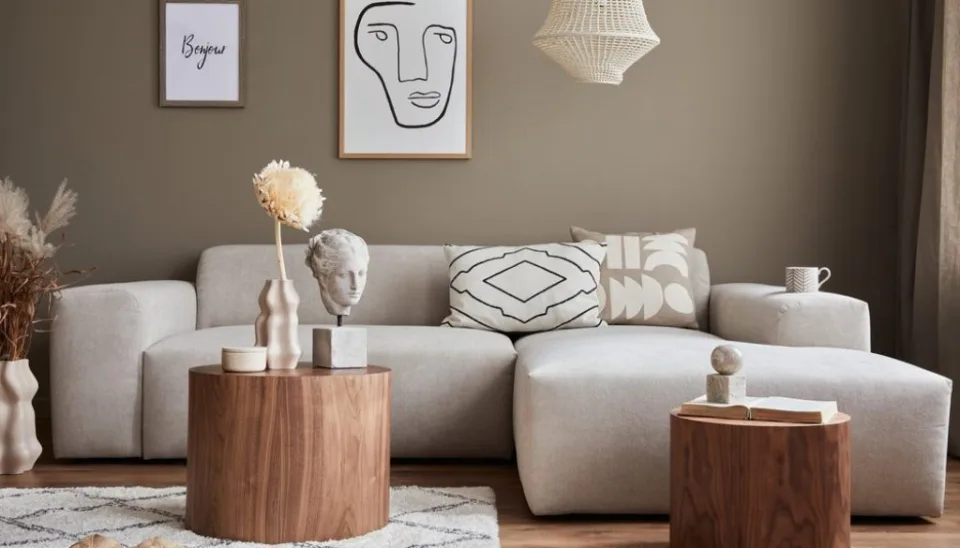
Minimalism is rooted in the philosophy of "less is more." When applied to home accessories, this style emphasizes intentionality. Every object must serve a purpose or provide significant aesthetic value. The goal is to create a serene, uncluttered environment that promotes mental clarity and focuses on high-quality materials.
Key Characteristics of Minimalist Decor
- Neutral Color Palettes: Think shades of white, beige, grey, and soft earth tones.
- Focus on Texture: Since color is limited, interest is created through tactile elements like wool throws, linen curtains, or stone vases.
- Functionality First: Accessories often serve a dual purpose, such as a sleek sculptural lamp that provides both light and a focal point.
- Negative Space: Leaving surfaces clear allows the few selected pieces to stand out.
Understanding Maximalism in Home Accessories
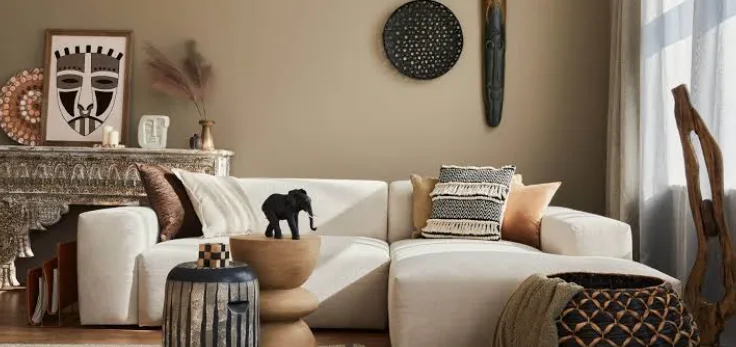
Maximalism is the art of "more is more." It is an unapologetic celebration of personality, history, and color. Unlike Minimalism, which seeks to quiet the room, Maximalism seeks to amplify it. This style is perfect for those who want their home to act as a gallery of their experiences, travels, and passions.
Key Characteristics of Maximalist Decor
- Bold Color Schemes: Vibrant hues, clashing patterns, and unexpected color combinations are encouraged.
- Layering: Rugs on rugs, piles of books, and walls filled with eclectic art pieces.
- Curated Chaos: A mix of vintage finds, modern gadgets, and sentimental souvenirs displayed side-by-side.
- Personal Storytelling: Every accessory has a story, making the home feel deeply intimate and unique.
Comparison Table: Minimalism vs. Maximalism
| Feature | Minimalism | Maximalism |
|---|---|---|
| Primary Goal | Serenity and Function | Self-Expression and Vitality |
| Color Palette | Monochromatic or Neutral | Bold, Multi-colored, Patterned |
| Accessory Density | Sparse, carefully curated | High density, layered |
| Maintenance | Easy to clean, low clutter | High maintenance, dusting required |
| Emotional Impact | Calming and structured | Energizing and inspiring |
Choosing the Right Approach for Your Home
Selecting a style isn't just about what looks good in a magazine; it is about how you live your daily life. Consider these three factors when choosing between Minimalist and Maximalist accessories.
1. Lifestyle and Maintenance
If you have a busy household with children or pets, Minimalist accessories offer a practical advantage. With fewer items to knock over or clean, your home remains functional and safe. Conversely, if you enjoy the process of styling shelves and find joy in shifting decor around to keep things fresh, Maximalism provides an endless playground for your creativity.
2. The Architecture of Your Space
Large, open-concept spaces with high ceilings often benefit from the "weight" of Maximalist accessories, which help fill the void and make the room feel grounded. Smaller apartments or rooms with limited natural light often feel more spacious and airy when treated with a Minimalist approach, using light-reflecting accessories like mirrors and glass vases to maximize the sense of openness.
3. Budget Considerations
Minimalism often carries a higher "per-item" cost. Because you are buying fewer pieces, you are encouraged to invest in high-quality, artisanal items that stand the test of time. Maximalism, however, can be more budget-friendly as it thrives on the "hunt." Thrift stores, flea markets, and budget-friendly decor shops are perfect for finding the volume of items needed to achieve a Maximalist look.
Essential Home Accessories for Every Style
Regardless of the philosophy you choose, certain categories of home accessories are staples in every well-designed room. Here is how to approach them differently based on your chosen style.
Lighting: The Atmosphere Setter
Minimalist: Choose fixtures with clean lines and matte finishes. A single, large architectural floor lamp can serve as the primary accessory for an entire corner.
Maximalist: Think chandeliers, neon signs, or a collection of mismatched table lamps with patterned shades. Lighting here is a decorative piece even when switched off.
Textiles: Adding Comfort
Minimalist: Stick to high-quality materials like heavy-knit wool or raw silk. Keep patterns solid or very subtle, focusing on the quality of the weave.
Maximalist: Layering is key. Mix velvet cushions with silk throws and Persian-style rugs. Don't be afraid to mix floral prints with geometric patterns.
Wall Decor: Telling a Story
Minimalist: One large, high-impact piece of abstract art is often enough to anchor a room. The frame should be simple and unobtrusive.
Maximalist: Create a gallery wall. Combine paintings, mirrors, plates, and sculptural wall hangings. The frame styles can be as eclectic as the art itself.
Transitioning: Can You Mix Both?
You do not have to strictly adhere to one philosophy. Many modern homes utilize "Minimalist Maximalism"—a hybrid style. This involves keeping a neutral, clean base (Minimalist) but adding highly curated, bold statement pieces that act as focal points (Maximalist). This approach allows you to enjoy the calm of an uncluttered space while still expressing your personality through unique accessories.
For example, you might have a clean, white living room with minimal furniture, but accessorize it with a vibrant, oversized piece of art or a collection of colorful, artisanal ceramic vases. This provides the best of both worlds: a space that is easy to maintain but visually stimulating.
Final Tips for Shopping Home Accessories
When you head out to shop for home accessories, keep these three rules in mind to ensure your purchases are successful:
- The "Rule of Three": If you are unsure how to group accessories, the rule of three is your best friend. Grouping items in odd numbers creates visual interest that feels balanced to the human eye.
- Consider Scale: One of the biggest mistakes in home decor is using accessories that are too small for the space. A large room needs oversized accessories to look proportionate, regardless of whether you are Minimalist or Maximalist.
- Invest in Quality: Even if you are a Maximalist, buying cheap plastic items that break within a month will eventually lead to a cluttered, low-quality look. Always prioritize materials that age well, such as wood, stone, metal, and natural fibers.
Conclusion: Your Home, Your Rules
The beauty of home accessories lies in their ability to transform a house into a home. Whether you find peace in the quiet, empty spaces of a Minimalist room or feel energized by the layers of a Maximalist sanctuary, the "right" choice is the one that makes you feel most like yourself. By understanding the core principles of these two styles and how they influence your space, you can make informed decisions that ensure your home remains a reflection of your personality for years to come.
Start small, experiment with different textures and colors, and remember that accessories are meant to be changed. Your home is a living, breathing entity—let your decor evolve as you do.