Minimalism vs. Maximalism: Choosing the Right Home Accessories for Your Space
The debate between minimalism and maximalism has dominated interior design conversations for years. When it comes to home accessories, these two philosophies represent polar opposites in how we curate our living environments. Whether you are looking to create a serene sanctuary or a vibrant, personality-filled gallery, understanding how to select and style accessories is the key to achieving a cohesive look. In this guide, we explore the nuances of both styles, helping you decide which approach best suits your lifestyle and home.
Understanding Minimalism in Home Accessories
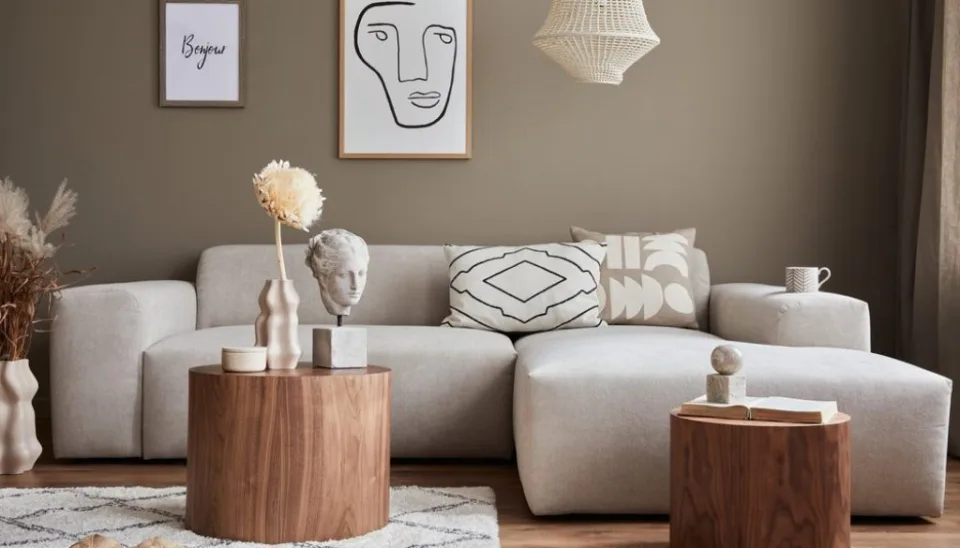
Minimalism is rooted in the principle that "less is more." In a minimalist home, every accessory serves a purpose, whether functional or purely aesthetic, and is chosen with extreme intention. The goal is to create a space that feels uncluttered, airy, and calm.
Key Characteristics of Minimalist Decor
- Neutral Color Palettes: Focus on shades of white, beige, grey, and soft earth tones.
- Quality Over Quantity: Investing in one statement piece rather than ten small trinkets.
- Clean Lines: Accessories with geometric shapes and smooth surfaces.
- Negative Space: Allowing empty space to breathe, ensuring the room doesn't feel overwhelmed.
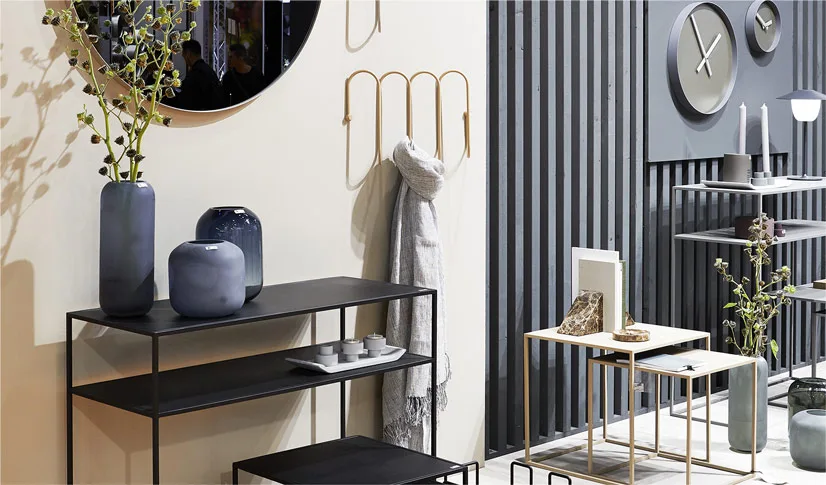
Minimalist accessories often include sculptural vases, abstract wall art, monochrome textiles, and hidden storage solutions. The focus is on the texture and form of the item rather than its color or pattern.
Embracing Maximalism: The Art of More
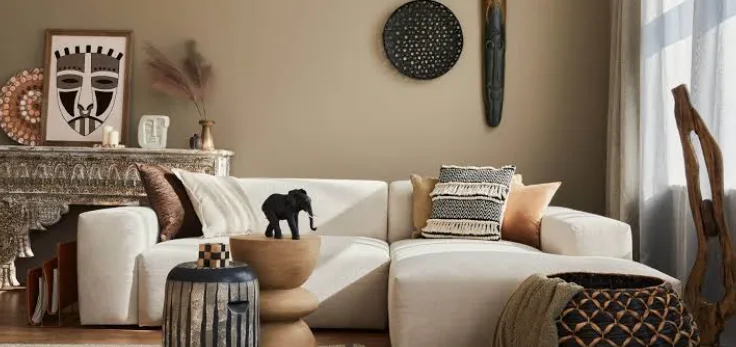
Maximalism is the antithesis of minimalism. It is a celebration of personality, history, and boldness. A maximalist home tells a story, layering textures, patterns, and colors to create a rich, immersive environment. It is not about chaos; it is about "curated clutter."
Key Characteristics of Maximalist Decor
- Eclectic Mix: Combining vintage finds with modern pieces, different eras, and diverse cultures.
- Bold Patterns and Colors: Using wallpaper, patterned rugs, and vibrant cushions to create visual interest.
- Layering: Stacking books, layering rugs, and grouping accessories in varying heights.
- Personal Significance: Displaying collections, travel souvenirs, and family heirlooms openly.
In a maximalist space, accessories are the stars. Think gallery walls, velvet throw pillows, brass accents, and overflowing bookshelves. The goal is to make the room feel alive and deeply reflective of the inhabitant's identity.
Comparison Table: Minimalist vs. Maximalist Accessories
| Feature | Minimalist Approach | Maximalist Approach |
|---|---|---|
| Primary Goal | Tranquility and function | Self-expression and energy |
| Color Palette | Monochromatic or muted | Vibrant, high-contrast, or multi-colored |
| Accessory Density | Sparse, carefully curated | Abundant, layered |
| Focus | Form, texture, and negative space | Pattern, history, and narrative |
| Maintenance | Easy to clean, low visual noise | Requires regular dusting and organizing |
How to Choose the Right Style for Your Home
Choosing between these two styles isn't always a binary decision. Many homeowners find their "sweet spot" somewhere in the middle. To determine which path is right for you, consider the following factors:
1. Your Lifestyle Needs
If you have a busy household with children or pets, minimalism might offer a sense of relief from the daily chaos. Conversely, if you spend most of your time working from home and need constant inspiration, a maximalist environment can keep your creativity flowing.
2. The Architecture of Your Space
Smaller apartments often benefit from a minimalist approach to prevent them from feeling cramped. Larger homes with high ceilings or unique architectural details can handle the weight of maximalist decor, which can help fill the space and make it feel more intimate.
3. Your Personal Tolerance for Clutter
Be honest about your habits. If you find it stressful to keep surfaces clear, minimalism might feel like a chore to maintain. If you enjoy rearranging objects and collecting unique items, maximalism will be a natural and enjoyable hobby for you.
Tips for Integrating Accessories Regardless of Style
Whether you lean toward the minimalist or maximalist aesthetic, there are universal rules for accessorizing your home that will ensure your space looks professional and intentional.
The Rule of Three
When styling shelves or tables, grouping items in odd numbers—especially three—is more visually appealing to the human eye. This creates a balanced composition that feels natural rather than staged.
Varying Heights and Textures
Avoid placing items of the same height side-by-side. Use a tall vase, a medium-sized sculpture, and a small decorative bowl to create a dynamic display. Mixing materials—such as pairing a smooth ceramic bowl with a rough wooden tray—adds depth to any room.
Lighting as an Accessory
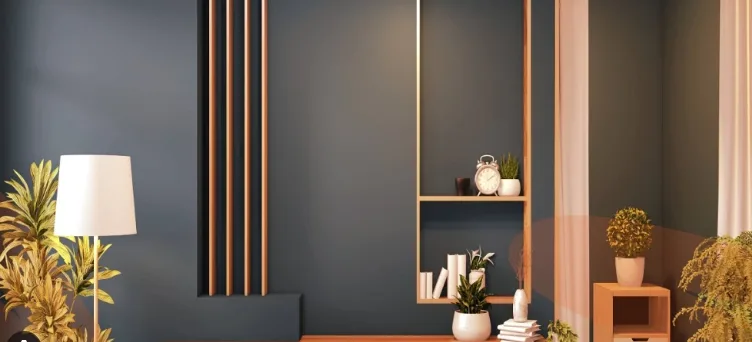
Never underestimate the power of lighting. A well-chosen lamp acts as both a functional tool and a sculptural accessory. In a minimalist home, opt for sleek, architectural lighting. In a maximalist home, look for vintage chandeliers, colorful glass lamps, or statement floor lights.
Trends in Home Accessories for 2024 and Beyond
The world of home accessories is constantly evolving. Currently, we are seeing a shift toward "warm minimalism," which blends the clean lines of minimalism with the soft, inviting textures of maximalism. This trend focuses on organic shapes, sustainable materials, and earthy tones.
Sustainable and Natural Materials
Consumers are increasingly prioritizing eco-friendly accessories. Think rattan, jute, stone, and reclaimed wood. These materials add an organic touch that softens modern interiors and adds warmth to traditional ones.
Curated Vintage
Whether you are a minimalist or a maximalist, incorporating a vintage item adds soul to a room. A single mid-century modern bowl can be the perfect minimalist statement, while a collection of vintage brass candlesticks can anchor a maximalist mantelpiece.
Conclusion: Creating a Home That Reflects You
The choice between minimalism and maximalism is not about following a strict set of rules, but about understanding what makes you feel most at home. Minimalist accessories provide a canvas for peace and focus, while maximalist accessories turn your home into a vibrant exhibition of your life experiences.
Remember that your home is a living space. You do not have to commit to one style forever. You can start with a minimalist foundation and slowly introduce maximalist elements as your collection grows. Ultimately, the best home accessories are the ones that serve a purpose, bring you joy, and make your space feel uniquely yours. Take your time, curate with care, and don't be afraid to experiment until you find the balance that feels just right.