Minimalist vs. Maximalist Home Accessories: Which Style Suits Your Living Space?
The art of interior design often boils down to one fundamental question: how do you choose the right home accessories to define your space? Whether you are moving into a new apartment or looking to refresh your current home, the debate between minimalism and maximalism remains the most significant crossroads in modern decor. Home accessories—ranging from decorative vases and wall art to textiles and lighting—are the final layer that transforms a house into a home. But should you curate a few high-impact pieces or embrace a collection of eclectic treasures? This guide explores the nuances of both styles to help you make informed decisions for your living environment.
Understanding the Minimalist Approach to Home Accessories
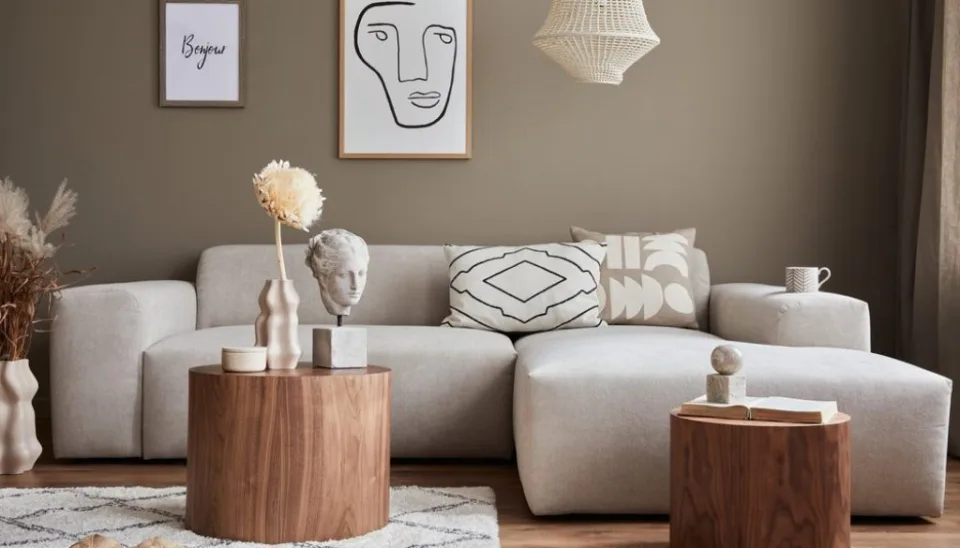
Minimalism is rooted in the philosophy of "less is more." When selecting home accessories for a minimalist space, the focus is on intentionality, clean lines, and high-quality materials. The goal is to create a serene, uncluttered environment where every object serves a purpose or provides significant aesthetic value.
Key Characteristics of Minimalist Decor
- Neutral Color Palettes: Think shades of white, beige, soft grey, and muted earth tones.
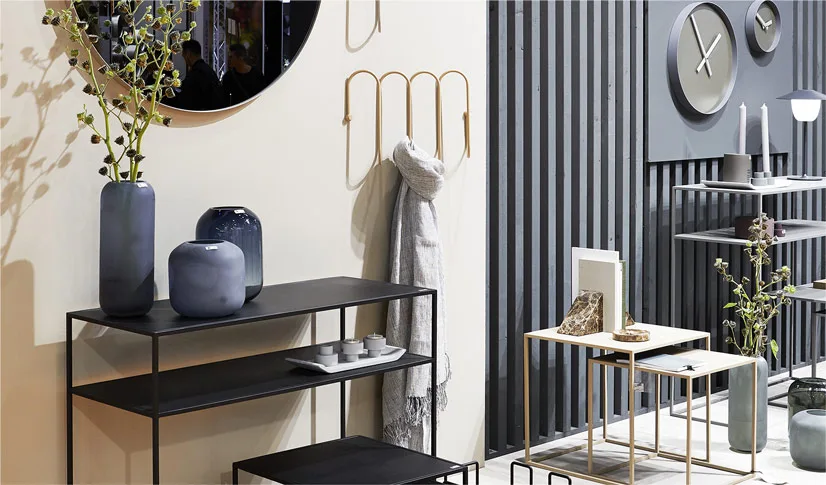
- Functionality First: Accessories are often practical items that double as decor, such as a sculptural wooden bowl or a sleek, modern floor lamp.
- Negative Space: Minimalism relies heavily on empty space to allow individual pieces to breathe and stand out.
- Quality Over Quantity: Investing in one artisanal ceramic vase is preferred over owning ten mass-produced trinkets.
In a minimalist home, you might choose a single oversized piece of abstract wall art to act as a focal point, rather than a gallery wall. The textures—such as linen throws, matte ceramics, or brushed metal hardware—become the visual interest, rather than bright colors or intricate patterns.
Embracing the Maximalist Aesthetic
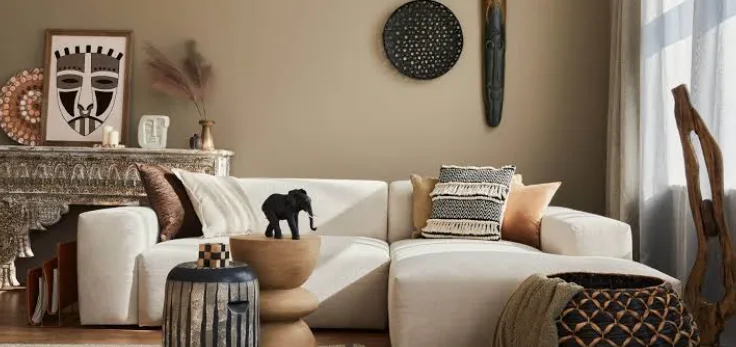
Maximalism is the antithesis of minimalism. It is a celebration of personality, history, and vibrant expression. If you love the idea of a home that tells a story through layers of color, pattern, and texture, maximalism is your playground. Home accessories in a maximalist setting are not just decorations; they are curated collections that showcase your travels, passions, and unique taste.
Key Characteristics of Maximalist Decor
- Bold Color Schemes: Deep jewel tones, vibrant primaries, and unexpected color combinations are encouraged.
- Layering Textures: Mixing velvet, silk, brass, rattan, and glass creates a rich, tactile experience.
- Eclectic Collections: Displaying items like vintage globes, colorful glassware, and ornate picture frames side-by-side.
- Storytelling: Every accessory has a history, whether it is a souvenir from a trip or a flea market find.
The secret to successful maximalism is not just "cluttering" a room; it is "organized abundance." By using common threads—such as a recurring color or a consistent frame style—you can prevent your home from feeling chaotic and instead make it feel curated and cozy.
Comparative Analysis: Minimalist vs. Maximalist Accessories
To help you decide which path aligns with your lifestyle, we have compared the two approaches across several critical design categories.
| Feature | Minimalist Accessories | Maximalist Accessories |
|---|---|---|
| Visual Impact | Subtle, calm, and balanced. | Bold, energetic, and dramatic. |
| Maintenance | Easy to clean and dust; low maintenance. | Requires regular dusting and organizing. |
| Cost Strategy | Higher cost per piece, but fewer items. | Can be budget-friendly with thrifted/found items. |
| Flexibility | Easy to change seasonal accents. | Harder to shift; relies on permanent layers. |
| Emotional Tone | Relaxing, focused, and meditative. | Inspiring, joyful, and personal. |
How to Choose the Right Style for Your Home
Choosing between these two styles isn't necessarily a binary choice. Many modern homes adopt a "transitional" style, which blends the two. Before you purchase new home accessories, consider these three factors:
1. The Size of Your Space
Smaller rooms often benefit from minimalist accessories to prevent the space from feeling cramped. However, a small room can also be transformed into a "jewel box" with maximalist wallpaper and ornate accessories if done with precision. Larger rooms provide the luxury of space to experiment with both styles.
2. Your Lifestyle and Maintenance Habits
Do you have pets or small children? Minimalist spaces are often easier to keep safe and clean. If you prefer a home that feels like a sanctuary after a busy day, minimalism provides a visual "reset." If you thrive on inspiration and enjoy spending time organizing your collections, maximalism will bring you daily joy.
3. The "Rule of Three" and Curated Displays
Regardless of your style, the "Rule of Three" is a fundamental design principle. When grouping accessories, odd numbers—especially three—are more visually appealing to the human eye. In a minimalist setting, group three identical vases of different heights. In a maximalist setting, group three completely different objects that share a single color palette.
Essential Home Accessories for Any Style
While the aesthetic differs, certain categories of home accessories are essential for every household. Understanding how to shop for these categories will elevate your interior design regardless of your preferred style.
Lighting as Decor
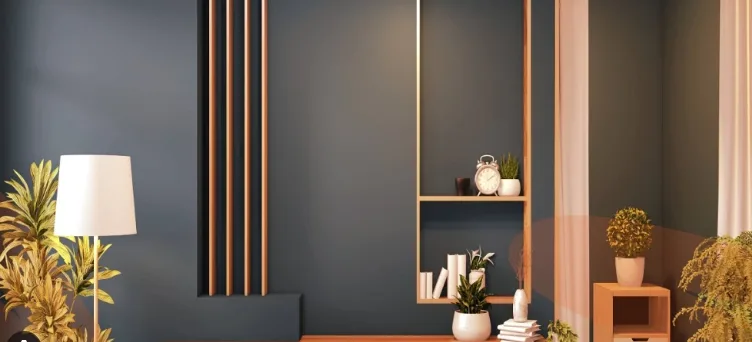
Lighting is the "jewelry" of the home. A minimalist might opt for a matte black architectural floor lamp, while a maximalist might choose a colorful stained-glass Tiffany-style lamp or a brass chandelier with intricate details. Always consider the warmth of the bulb; soft, warm light makes any accessory look better.
Textiles: The Softening Agent
Throw pillows, blankets, and rugs are the easiest way to change the mood of a room. For minimalism, stick to high-quality textures like chunky knits or linen in monochromatic tones. For maximalism, mix patterns like florals, stripes, and geometrics, ensuring they share at least one common color to maintain harmony.
Wall Decor and Art
Wall art defines the scale of your room. A single, massive canvas can anchor a minimalist room. A floor-to-ceiling gallery wall of framed photos, prints, and mirrors can define a maximalist room. Mirrors are a secret weapon in both styles—they reflect light and add depth to any space.
Sustainable Shopping for Home Accessories
As the home decor industry evolves, sustainability has become a top priority. Whether you lean toward minimalist or maximalist styles, consider the environmental impact of your purchases.
- Thrifting and Vintage: This is the ultimate way to source maximalist accessories. It is eco-friendly and adds a layer of history that new items cannot replicate.
- Support Local Artisans: Buying handmade ceramics or hand-woven textiles ensures your money supports small businesses and often results in higher quality, longer-lasting pieces.
- Natural Materials: Prioritize wood, stone, glass, and organic fibers over plastic. These materials age beautifully and are often recyclable or biodegradable.
- Versatility: Ask yourself, "Can I use this in another room if I get bored?" A versatile accessory is a sustainable one.
Conclusion: Crafting Your Personal Sanctuary
Ultimately, the best home accessories are the ones that resonate with you personally. Minimalism offers a peaceful, structured environment that promotes clarity, while maximalism provides a vibrant, expressive backdrop that celebrates your unique identity. You do not have to strictly adhere to one philosophy. You might find that your living room is a minimalist retreat, while your home office is a maximalist explosion of creativity.
When you start your next decor project, remember to take your time. Home styling is a marathon, not a sprint. By focusing on the quality of your home accessories, understanding the balance of your space, and choosing items that bring you genuine joy, you will create a home that is not only beautiful but deeply personal.
Whether you choose to simplify or amplify, the goal remains the same: to create a space that supports your life and reflects your spirit. Start with one piece, evaluate how it changes the energy of the room, and build from there. Happy decorating!