Navigating the Beauty Landscape: A Comparison of Popular Health & Beauty Product Categories
The health and beauty industry is a vibrant and ever-evolving ecosystem, offering a dazzling array of products designed to enhance our well-being and outward appearance. From the quest for radiant skin to the pursuit of lustrous hair and the desire for overall vitality, consumers are presented with countless options. Navigating this expansive market can feel overwhelming, especially when trying to understand the nuances between different product categories and their intended benefits. This comprehensive comparison aims to demystify some of the most popular health and beauty product groups, providing insights into their functionalities, key ingredients, typical usage, and who might benefit most from them. By understanding these distinctions, you can make more informed choices that align with your personal health and beauty goals.
Skincare: The Foundation of Radiance
Skincare is arguably the cornerstone of the health and beauty industry, focusing on maintaining the health, appearance, and integrity of the skin. This broad category encompasses a wide range of products designed to cleanse, treat, moisturize, and protect. The primary goal of skincare is to address various skin concerns, from acne and aging to dryness and sensitivity, ultimately promoting a clear, healthy, and youthful complexion.
Cleansers: Purity and Preparation
Cleansers are the first step in any effective skincare routine. Their primary function is to remove dirt, oil, makeup, and impurities from the skin's surface without stripping it of its natural moisture. Different types of cleansers cater to various skin types and concerns:
- Gel Cleansers: Lightweight and often foamy, ideal for oily and acne-prone skin. They effectively remove excess sebum and impurities.
- Foam Cleansers: Similar to gel cleansers but typically produce a richer lather. Good for normal to oily skin.
- Cream Cleansers: Richer and more emollient, designed for dry and sensitive skin. They cleanse gently while providing hydration.
- Oil Cleansers: Formulated with oils that dissolve other oils, including makeup and sebum. Excellent for removing stubborn makeup and suitable for all skin types, including oily skin, as "like dissolves like."
- Micellar Water: Contains tiny oil molecules (micelles) suspended in soft water. It gently lifts away impurities and makeup without the need for rinsing, making it convenient for all skin types, especially sensitive ones.
Key Ingredients to Look For: Salicylic acid (for acne), hyaluronic acid (for hydration), glycerin (for moisture retention), ceramides (for skin barrier support), and gentle surfactants.
Toners: Balancing and Prepping
Toners have evolved from astringent, alcohol-heavy formulations to more sophisticated products designed to balance the skin's pH, hydrate, and prepare it for subsequent treatments. Modern toners can offer a range of benefits:
- Hydrating Toners: Infused with humectants like hyaluronic acid and glycerin to draw moisture into the skin.
- Exfoliating Toners: Contain alpha-hydroxy acids (AHAs) or beta-hydroxy acids (BHAs) to gently slough off dead skin cells, revealing brighter skin.
- Soothing Toners: Formulated with ingredients like chamomile, aloe vera, and centella asiatica to calm redness and irritation.
Key Ingredients to Look For: Hyaluronic acid, rose water, green tea extract, niacinamide, witch hazel (in alcohol-free formulations), and AHAs/BHAs.
Serums: Targeted Treatments
Serums are highly concentrated formulas designed to deliver potent active ingredients deep into the skin to address specific concerns. Their lightweight texture allows for rapid absorption. This is where you'll find powerful ingredients targeting issues like wrinkles, dark spots, and dullness.
- Vitamin C Serums: Potent antioxidants that brighten skin, fade hyperpigmentation, and protect against environmental damage.
- Hyaluronic Acid Serums: Deliver intense hydration, plumping the skin and reducing the appearance of fine lines.
- Retinoid Serums (Retinol, Retinaldehyde): Powerful anti-aging ingredients that promote cell turnover, boost collagen production, and improve skin texture and tone.
- Niacinamide Serums: A versatile ingredient that helps reduce inflammation, minimize pores, regulate oil production, and improve skin barrier function.
Key Ingredients to Look For: Vitamin C, hyaluronic acid, retinol, niacinamide, peptides, ceramides, antioxidants.
Moisturizers: Hydration and Protection
Moisturizers are essential for all skin types to lock in hydration, strengthen the skin barrier, and protect against environmental stressors. They come in various textures to suit different needs:
- Lotions: Lighter in consistency, suitable for normal to oily skin.
- Creams: Thicker and richer, ideal for dry and mature skin.
- Ointments: The thickest and most occlusive, best for extremely dry or compromised skin, often used for spot treatment.
- Gels: Water-based and lightweight, perfect for oily and acne-prone skin as they provide hydration without feeling heavy.
Key Ingredients to Look For: Hyaluronic acid, glycerin, ceramides, shea butter, squalane, petrolatum (for occlusive properties).
Sunscreen: The Non-Negotiable Shield
Sunscreen is paramount for protecting the skin from harmful UV radiation, which causes premature aging, dark spots, and increases the risk of skin cancer. It's a crucial step in any daily routine, regardless of weather or skin tone.
- Chemical Sunscreens: Absorb UV rays and convert them into heat, which is then released from the skin. They are often lighter in texture.
- Mineral Sunscreens (Physical Sunscreens): Contain zinc oxide and titanium dioxide, which sit on the skin's surface and physically block UV rays. They are generally better for sensitive skin.
Key Ingredients to Look For: Broad-spectrum protection (UVA/UVB), SPF 30 or higher, zinc oxide, titanium dioxide, avobenzone, octinoxate.
Haircare: Nourishing Strands for Shine and Strength
Haircare products are designed to cleanse, condition, treat, and style hair, aiming to enhance its health, appearance, and manageability. From combating frizz to promoting growth and restoring damage, the right haircare routine can transform your tresses.
Shampoos: The Cleansing Foundation
Shampoos are formulated to remove dirt, oil, product buildup, and environmental pollutants from the scalp and hair. Choosing the right shampoo depends on your hair type and scalp condition.
- Sulfate-Free Shampoos: Gentler alternatives that avoid harsh sulfates, ideal for color-treated, dry, or sensitive scalps.
- Moisturizing Shampoos: Contain emollients and humectants to replenish moisture in dry, brittle, or damaged hair.
- Clarifying Shampoos: Deep-cleaning formulas designed to strip away heavy product buildup. Use sparingly to avoid over-drying.
- Volumizing Shampoos: Lightweight formulas that aim to lift hair at the roots and create the appearance of fuller hair.
Key Ingredients to Look For: Natural oils (argan, coconut), keratin, proteins, hyaluronic acid, aloe vera, gentle surfactants (e.g., cocamidopropyl betaine).
Conditioners: Hydration and Detangling
Conditioners are applied after shampooing to replenish moisture, smooth the hair cuticle, detangle strands, and improve manageability and shine. They typically contain moisturizing and emollient ingredients.
- Rinse-Out Conditioners: Applied after shampoo and rinsed out. They provide immediate conditioning benefits.
- Leave-In Conditioners: Applied to damp hair and not rinsed out, offering continuous hydration, frizz control, and heat protection.
- Deep Conditioners/Hair Masks: Intensive treatments with higher concentrations of nourishing ingredients, left on the hair for longer periods (e.g., 10-30 minutes) for deep repair and hydration.
Key Ingredients to Look For: Fatty alcohols, silicones (for smoothing), natural oils, shea butter, proteins, amino acids.
Hair Treatments: Targeted Repair and Revitalization
This category includes specialized products designed to address specific hair concerns like damage, breakage, thinning, or scalp issues.
- Hair Oils: Can be used as pre-shampoo treatments, styling aids, or overnight masks to add shine, moisture, and reduce frizz.
- Scalp Treatments: Serums, tonics, or masks formulated to address scalp concerns like dryness, itchiness, dandruff, or promote hair growth.
- Bond-Building Treatments: Formulated with ingredients that repair broken disulfide bonds within the hair shaft, crucial for chemically treated or damaged hair.
Key Ingredients to Look For: Argan oil, jojoba oil, rosemary oil, peppermint oil, salicylic acid (for scalp), keratin, biotin, patented bond-repairing molecules.
Body Care: Holistic Wellness from Head to Toe
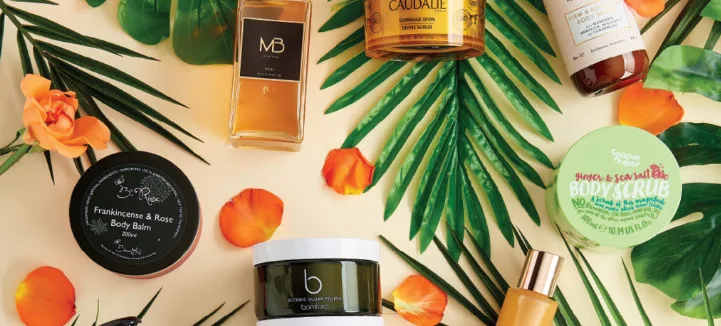
Body care extends beyond basic hygiene to encompass products that cleanse, moisturize, exfoliate, and treat the skin on your body. It's about nurturing your skin's health and achieving a comfortable, radiant feel.
Body Washes & Soaps: Gentle Cleansing
Similar to facial cleansers, body washes and soaps remove dirt and impurities. The key is to find formulations that cleanse without stripping the skin's natural oils.
- Creamy Body Washes: Offer a more moisturizing cleanse, ideal for dry or sensitive skin.
- Gel Body Washes: Lighter and often lather more, suitable for normal to oily skin.
- Bar Soaps: Traditional cleansing bars. Look for moisturizing formulations with added oils or butters to prevent dryness.
Key Ingredients to Look For: Glycerin, shea butter, natural oils, hyaluronic acid, gentle surfactants.
Body Lotions & Butters: Deep Hydration
These products are designed to hydrate and nourish the skin on your body, preventing dryness and improving texture.
- Body Lotions: Lighter and absorb quickly, suitable for daily use and normal to combination skin.
- Body Creams: Thicker and richer than lotions, providing more intense hydration for dry or very dry skin.
- Body Butters: The most emollient, typically containing high concentrations of natural butters like shea, cocoa, or mango butter, ideal for extremely dry or rough patches.
Key Ingredients to Look For: Shea butter, cocoa butter, mango butter, hyaluronic acid, ceramides, plant-based oils (jojoba, almond).
Body Exfoliants: Revealing Smoothness
Exfoliating the body helps remove dead skin cells, revealing smoother, brighter skin and improving the absorption of moisturizers.
- Sugar Scrubs: Made with sugar granules, which are natural humectants and dissolve on contact with water, offering a gentler exfoliation.
- Salt Scrubs: Made with salt crystals, which are coarser than sugar and provide a more vigorous exfoliation, often used for rougher areas like elbows and knees.
- Chemical Exfoliants (Body Washes/Lotions with AHAs/BHAs): Offer a less abrasive way to slough off dead skin cells.
Key Ingredients to Look For: Sugar, salt, coffee grounds, AHAs (glycolic acid, lactic acid), BHAs (salicylic acid).
Supplements: Internal Nourishment for External Glow
While topical products address external concerns, supplements focus on providing the body with essential nutrients from within to support overall health and enhance beauty from the inside out. This category is vast and often overlaps with general wellness.
Vitamins & Minerals: The Building Blocks
Essential vitamins and minerals play a crucial role in cellular function, immune support, and various bodily processes that contribute to healthy skin, hair, and nails.
- Biotin (Vitamin B7): Often touted for its role in hair and nail strength and growth.
- Vitamin C: A powerful antioxidant crucial for collagen synthesis, which keeps skin firm and youthful.
- Vitamin E: Another antioxidant that protects skin cells from damage and supports skin health.
- Zinc: Important for skin repair, immune function, and can help manage acne.
- Omega-3 Fatty Acids: Found in fish oil or algal oil, these can help reduce inflammation and improve skin hydration.
Collagen Peptides: The Protein of Youth
Collagen is the most abundant protein in the body, providing structure to skin, bones, and connective tissues. As we age, collagen production declines. Collagen supplements aim to replenish this protein.
- Hydrolyzed Collagen: Broken down into smaller peptides, making it easier for the body to absorb and utilize.
- Marine Collagen: Derived from fish, often considered highly bioavailable.
- Bovine Collagen: Derived from cows, typically rich in types I and III collagen.
Probiotics: Gut Health for Radiant Skin
Emerging research highlights the connection between gut health and skin health. Probiotics, beneficial bacteria that support a healthy gut microbiome, may indirectly contribute to clearer, healthier skin by reducing inflammation and improving nutrient absorption.
Key Considerations for Supplements: Always consult with a healthcare professional before starting any new supplement regimen. Look for third-party testing for purity and potency. Understand that results can vary greatly between individuals.
Comparison Table: Key Features at a Glance
To provide a clearer overview, here's a comparative table of the discussed categories:
| Category | Primary Focus | Key Benefits | Typical Application | Key Ingredient Examples | Who Benefits Most |
|---|---|---|---|---|---|
| Skincare | Skin health and appearance | Cleansing, hydration, anti-aging, treatment of concerns (acne, hyperpigmentation) | Daily routines (AM/PM) | Hyaluronic acid, Vitamin C, Retinol, Ceramides, SPF | All individuals seeking healthy, clear, and youthful-looking skin. |
| Haircare | Hair and scalp health | Cleansing, conditioning, strengthening, repair, styling | Washing and styling routines | Oils (Argan, Coconut), Keratin, Biotin, Gentle Surfactants | Individuals with specific hair concerns (dryness, damage, thinning) or seeking improved manageability and shine. |
| Body Care | Skin health and comfort on the body | Cleansing, deep hydration, exfoliation, softening | Daily cleansing and moisturizing, occasional exfoliation | Shea Butter, Glycerin, AHAs/BHAs, Natural Oils | Anyone looking to maintain soft, smooth, and healthy skin on their body. |
| Supplements | Internal nourishment for overall health and beauty | Supporting skin, hair, nail health; boosting immunity; promoting well-being | Daily intake as directed | Biotin, Vitamin C, Collagen Peptides, Omega-3s, Probiotics | Individuals looking to address nutritional gaps or enhance beauty from within. |
Making Informed Choices
The world of health and beauty products offers a powerful toolkit for self-care and enhancement. By understanding the distinct roles and benefits of different product categories – from the foundational layers of skincare and haircare to the nurturing embrace of body care and the internal support of supplements – you can build a personalized regimen that truly serves your needs. Remember that consistency is key, and listening to your body's unique responses will guide you toward the most effective choices. Whether your goal is to achieve a radiant complexion, lustrous locks, or a feeling of holistic well-being, the right combination of products, coupled with informed decision-making, will pave the way to your desired health and beauty outcomes.