The Ultimate Electronics Buying Guide: Navigate the Tech Landscape with Confidence
In today's rapidly evolving world, electronics are no longer a luxury but an integral part of our daily lives. From the smartphones that keep us connected to the smart home devices that simplify our routines, the sheer volume and diversity of electronic products can be overwhelming. This comprehensive guide is designed to equip you with the knowledge and strategies to make informed purchasing decisions within the vast electronics category. Whether you're a tech enthusiast or a novice looking for the perfect gadget, we'll walk you through the essential considerations, emerging trends, and practical tips to ensure you get the most value for your money.
Understanding the Electronics Landscape
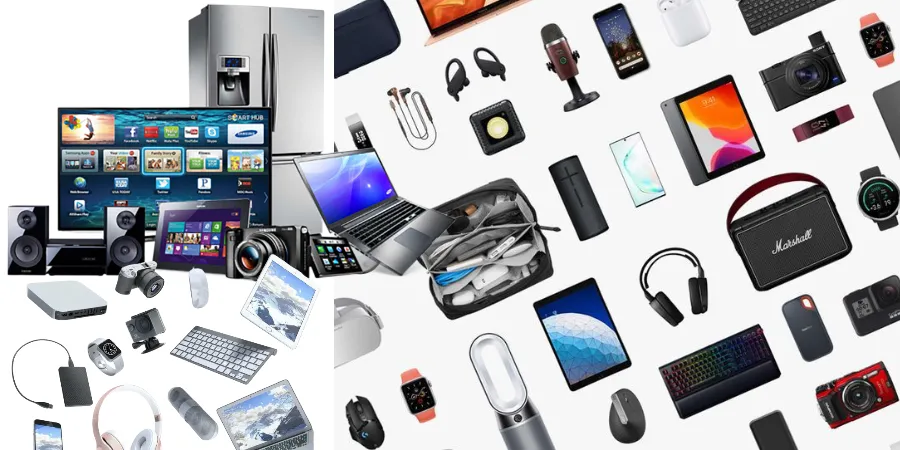
The term "electronics" encompasses a broad spectrum of devices that utilize electric power to perform functions. This category can be broadly segmented into several key areas, each with its own unique set of considerations:
Personal Computing Devices
This segment includes laptops, desktops, tablets, and accessories like monitors and keyboards. Key factors to consider when purchasing these devices revolve around processing power, storage capacity, display quality, portability, and intended use (e.g., gaming, professional work, general browsing).
Mobile Devices
Smartphones and smartwatches dominate this space. When choosing a smartphone, focus on operating system preference (iOS vs. Android), camera capabilities, battery life, screen size, and storage. Smartwatches offer features like fitness tracking, notifications, and communication, with battery life and compatibility with your existing devices being crucial.
Home Entertainment Systems
This includes televisions, soundbars, home theater systems, streaming devices, and gaming consoles. For TVs, consider screen size, resolution (4K, 8K), display technology (OLED, QLED, LED), refresh rate, and smart TV features. Audio systems should be evaluated based on sound quality, channel configuration, and connectivity options.
Smart Home Devices
The smart home ecosystem is expanding rapidly, featuring smart speakers, smart lighting, smart thermostats, security cameras, and more. The primary consideration here is interoperability – ensuring devices work seamlessly with each other and with your preferred smart home platform (e.g., Amazon Alexa, Google Assistant, Apple HomeKit).
Wearable Technology
Beyond smartwatches, this category includes fitness trackers, VR/AR headsets, and audio wearables like wireless earbuds. Fitness trackers are judged on their accuracy in tracking various metrics, battery life, and comfort. VR/AR headsets require an assessment of display resolution, field of view, and content availability.
Photography and Videography Equipment
Digital cameras, camcorders, drones, and associated accessories fall under this umbrella. For cameras, consider sensor size, megapixel count, lens compatibility, video recording capabilities, and autofocus performance. Drones are evaluated on flight time, camera quality, range, and ease of use.
Key Factors to Consider Before Buying Electronics
Making a sound electronics purchase requires careful consideration of several fundamental factors. Moving beyond just the flashy features, these aspects will ensure your investment is practical, durable, and meets your needs:
1. Define Your Needs and Budget
This is the most crucial first step. Before you even start browsing, ask yourself:
- What problem am I trying to solve with this electronic device?
- What specific tasks will I be using it for?
- What are my absolute must-have features, and what are the nice-to-haves?
- What is my realistic budget?
Having clear answers will prevent impulse buys and steer you towards products that genuinely offer value for your money. Don't be swayed by the latest, most expensive model if a mid-range option fulfills all your requirements.
2. Research and Compare Specifications
Once you have a general idea of what you need, dive into the technical specifications. Key metrics vary by device type, but common ones include:
- Processor (CPU): The "brain" of the device. Higher clock speeds and more cores generally mean better performance.
- RAM (Random Access Memory): Affects multitasking capabilities. More RAM allows you to run more applications smoothly.
- Storage: This can be internal (SSD for speed, HDD for capacity) or external. Consider how much space you'll need for files, apps, and media.
- Display: Resolution (HD, Full HD, 4K, 8K), refresh rate (for smooth motion), color accuracy, and brightness are important for visual devices.
- Battery Life: Crucial for portable devices. Look for real-world usage estimates rather than just manufacturer claims.
- Connectivity: Wi-Fi standards, Bluetooth versions, USB ports (Type-A, Type-C, Thunderbolt), and HDMI ports are essential for integrating with other devices.
Utilize comparison tools on retailer websites and tech review sites to see how different models stack up against each other on these specifications.
3. Read Reviews and Watch Video Demonstrations
Specifications tell only part of the story. Real-world user reviews and professional tech analyses provide invaluable insights into:
- Actual performance and user experience
- Durability and build quality
- Common issues or bugs
- Ease of use and setup
- Customer support experiences
Look for reviews from reputable tech publications and consider a variety of user opinions. Video reviews can be particularly helpful for understanding the physical design, user interface, and how a device performs in action.
4. Consider the Operating System and Ecosystem
For devices like smartphones, tablets, and computers, the operating system (OS) is a fundamental choice. Each OS (Windows, macOS, iOS, Android, ChromeOS) has its own strengths, weaknesses, and app ecosystems. If you already use several devices within a particular ecosystem (e.g., Apple's iCloud or Google's services), choosing a new device that integrates seamlessly can significantly enhance your user experience.
5. Evaluate Build Quality and Durability
Electronics can be a significant investment, so their build quality and durability are paramount. Consider:
- Materials: Is the device made of sturdy plastic, premium metal, or glass?
- Construction: Does it feel solid and well-assembled, or does it creak and flex?
- Water and Dust Resistance: Important for devices used outdoors or in potentially harsh environments (look for IP ratings).
- Screen Protection: For phones and tablets, consider if the screen is protected by toughened glass like Gorilla Glass.
A well-built device will last longer and withstand the rigors of daily use.
6. Assess Future-Proofing and Software Updates
Technology evolves at a breakneck pace. When purchasing electronics, consider how long you expect the device to remain relevant and supported:
- Software Updates: Will the device receive regular security patches and OS upgrades? This is especially important for smartphones and smart home devices.
- Hardware Longevity: Does the device have sufficient processing power and storage to handle future software demands?
- Connectivity Standards: Does it support the latest Wi-Fi, Bluetooth, or USB standards that will become more prevalent over time?
While true future-proofing is impossible, choosing devices with a reputation for long-term support and robust specifications can extend their useful lifespan.
Navigating Emerging Trends in Electronics
The electronics market is constantly innovating. Staying abreast of key trends can help you identify exciting new products and make choices that align with future technological advancements:
1. Artificial Intelligence (AI) Integration
AI is no longer confined to science fiction. It's increasingly embedded in everyday electronics, from voice assistants in smart speakers and smartphones to personalized recommendations on streaming services and intelligent noise cancellation in headphones. AI enhances functionality, streamlines tasks, and offers more intuitive user experiences.
2. The Rise of the Internet of Things (IoT) and Smart Homes
The IoT connects everyday objects to the internet, creating a network of smart devices that can communicate and automate tasks. The smart home is a prime example, with devices like smart thermostats, lighting, security systems, and appliances working together to improve convenience, energy efficiency, and security. Interoperability and robust security protocols are key considerations in this growing space.
3. Sustainable and Eco-Friendly Electronics
With growing environmental awareness, manufacturers are increasingly focusing on sustainability. This includes:
- Using recycled materials in product construction.
- Designing for energy efficiency to reduce power consumption.
- Implementing modular designs for easier repair and upgrades.
- Offering take-back programs for responsible recycling of old devices.
When purchasing, look for certifications and manufacturer commitments to environmental responsibility.
4. Advanced Display Technologies
Display technology continues to push boundaries. Innovations like OLED and QLED offer superior contrast ratios, vibrant colors, and deeper blacks. Mini-LED backlighting is improving the performance of traditional LCD panels. Higher refresh rates (120Hz and beyond) are becoming standard for smoother visuals, especially in gaming and high-action content.
5. Enhanced Connectivity (5G and Wi-Fi 6/6E)
The rollout of 5G mobile networks and the widespread adoption of Wi-Fi 6 and Wi-Fi 6E are revolutionizing wireless connectivity. These technologies offer faster speeds, lower latency, and improved capacity, enabling new applications like real-time cloud gaming, more robust smart home networks, and seamless streaming of high-resolution content.
6. Miniaturization and Portability
Electronics are becoming smaller, lighter, and more portable without sacrificing performance. This trend is evident in ultra-thin laptops, compact gaming consoles, and increasingly powerful and discreet wearable devices.
Practical Tips for Smart Electronics Shopping
Beyond understanding the technology, smart shopping strategies can save you money and ensure satisfaction:
1. Shop During Sales Events
Major shopping holidays like Black Friday, Cyber Monday, Prime Day, and other seasonal sales events are prime opportunities to find significant discounts on electronics. Mark your calendar and create wishlists in advance.
2. Consider Refurbished or Open-Box Items
Many reputable retailers offer certified refurbished or open-box electronics at a reduced price. These items have typically been returned, inspected, repaired (if necessary), and restored to full working order. They often come with a warranty, offering excellent value.
3. Compare Prices Across Retailers
Never settle for the first price you see. Use price comparison websites and check multiple online and brick-and-mortar retailers to ensure you're getting the best deal. Be aware of shipping costs and return policies.
4. Understand Warranty and Return Policies
Before purchasing, familiarize yourself with the manufacturer's warranty and the retailer's return policy. A good warranty provides peace of mind, and a flexible return policy allows you to exchange or return a product if it doesn't meet your expectations.
5. Look for Bundles and Promotions
Sometimes, buying a package deal (e.g., a laptop with a printer and software) or taking advantage of bundled promotions can offer better value than purchasing items individually.
6. Don't Be Afraid to Ask for Help
If you're in a physical store, speak with sales associates. While they may have sales targets, knowledgeable staff can often provide helpful advice and demonstrate products. Online, customer support chat or email can answer specific questions.
A Sample Electronics Buying Checklist
To help you stay organized, here's a general checklist you can adapt for any electronics purchase:
| Category | Key Considerations | My Needs/Preferences | Research Notes | Decision |
|---|---|---|---|---|
| Device Type (e.g., Laptop, TV, Smartphone) |
Purpose, primary use cases | |||
| Budget | Maximum spend | |||
| Core Specifications (e.g., Processor, RAM, Storage, Display Resolution, Battery Life) |
Minimum acceptable levels, desired features | |||
| Operating System/Ecosystem | Preference, compatibility | |||
| Brand Reputation/Reliability | Past experiences, reviews | |||
| Build Quality & Design | Materials, durability, aesthetics | |||
| Connectivity Options (e.g., Wi-Fi, Bluetooth, Ports) |
Required ports, latest standards | |||
| Software Support & Updates | Expected lifespan of updates | |||
| Reviews & User Feedback | Key pros and cons identified | |||
| Warranty & Return Policy | Length of warranty, ease of returns | |||
| Price Comparison | Best price found, retailer | |||
| Final Decision | Chosen Product |
Conclusion
The world of electronics is exciting and constantly innovating, offering tools that can significantly enhance our productivity, entertainment, and daily lives. By approaching your purchases with a clear understanding of your needs, a commitment to thorough research, and an awareness of emerging trends, you can navigate this complex landscape with confidence. Remember that the "best" electronic device is not always the most expensive or the newest, but rather the one that best fits your individual requirements and budget. Happy shopping!