The Ultimate Electronics Buying Guide: Navigating the World of Gadgets and Gizmos
In today's rapidly evolving digital landscape, electronics have become an indispensable part of our lives. From the smartphones in our pockets to the smart home devices that automate our living spaces, the world of electronics offers an ever-expanding array of innovative products designed to enhance convenience, entertainment, productivity, and connectivity. However, with such a vast and diverse market, making informed purchasing decisions can often feel overwhelming. This comprehensive buying guide is designed to equip you with the knowledge and insights needed to navigate the complex world of electronics, ensuring you make choices that align with your needs, budget, and future aspirations.
Understanding Your Needs: The Foundation of Smart Electronics Shopping
Before diving into the myriad of technical specifications and dazzling features, the most crucial step in any electronics purchase is a thorough self-assessment of your needs. What problem are you trying to solve? What activities will this electronic device facilitate? Answering these fundamental questions will serve as your compass, guiding you towards the most suitable products.
Identifying Your Primary Use Case
- Entertainment: Are you looking for a device to stream movies, play games, or listen to music? This might lead you to consider high-definition televisions, powerful gaming consoles, or premium audio systems.
- Productivity: Do you need a device for work, study, or creative endeavors? Laptops, tablets, and specialized monitors might be your focus.
- Connectivity and Communication: Is staying in touch with loved ones or colleagues your priority? Smartphones, smartwatches, and communication headsets will be key.
- Home Automation and Convenience: Are you interested in creating a smarter, more efficient living environment? Smart speakers, smart plugs, and security cameras come into play.
- Health and Fitness: Do you want to track your workouts, monitor your sleep, or manage your well-being? Fitness trackers and smart scales are relevant.
Determining Your Budget
Electronics can range from budget-friendly essentials to high-end luxury items. Setting a realistic budget upfront will help you narrow down your options and avoid impulse purchases. Consider not only the initial cost but also potential ongoing expenses such as subscriptions, accessories, or maintenance.
Considering Your Technical Proficiency
Some electronic devices are designed for intuitive use, while others require a certain level of technical understanding. Be honest about your comfort level with technology. If you prefer simplicity, opt for user-friendly interfaces and straightforward functionalities. If you're a tech enthusiast, you might be drawn to devices with advanced customization options and deeper control.
Key Categories in the Electronics Market
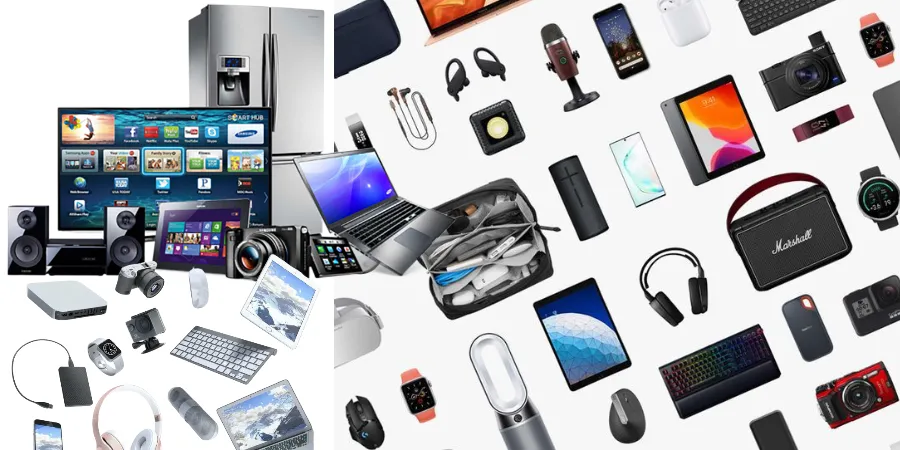
The electronics market is incredibly diverse, encompassing a wide range of product categories. Understanding the nuances of each category will help you make more informed decisions.
Personal Computing Devices
- Laptops: Versatile and portable, laptops are essential for work, study, and general computing. Key factors to consider include processor speed, RAM, storage capacity, screen size and resolution, battery life, and operating system (Windows, macOS, ChromeOS).
- Tablets: Offering a balance between portability and screen real estate, tablets are ideal for media consumption, light productivity, and casual gaming. Key considerations include screen size, processor, storage, battery life, and stylus support.
- Desktops: For users who prioritize power and expandability, desktop computers offer superior performance and customization options, often at a lower cost per performance than laptops.
Mobile Devices
- Smartphones: The quintessential personal electronic device, smartphones are your gateway to communication, information, and entertainment. Important factors include screen size and type, camera quality, processor, RAM, storage, battery life, operating system (Android, iOS), and 5G connectivity.
- Smartwatches: These wearable devices offer notifications, fitness tracking, and convenient access to apps on the go. Consider compatibility with your smartphone, battery life, fitness features, and design.
Home Entertainment Systems
- Televisions: The centerpiece of any home entertainment setup. Key specifications include screen size, resolution (HD, Full HD, 4K, 8K), display technology (LED, OLED, QLED), refresh rate, HDR support, and smart TV capabilities.
- Soundbars and Home Theater Systems: Enhance your audio experience with dedicated sound systems. Consider the number of channels, subwoofer inclusion, connectivity options (HDMI ARC, optical), and room size.
- Streaming Devices: Devices like Roku, Amazon Fire TV Stick, and Apple TV allow you to access a world of online content on your TV.
Audio Equipment
- Headphones: Available in various forms (over-ear, on-ear, in-ear), headphones offer personalized listening experiences. Consider sound quality, comfort, noise cancellation features, wireless vs. wired, and battery life.
- Portable Speakers: For music on the go, portable Bluetooth speakers offer convenience and decent sound quality. Look for battery life, water resistance, and sound output.
- Audio Docks and Systems: For a more immersive audio experience at home, consider dedicated audio systems.
Smart Home Devices
- Smart Speakers: Voice-activated assistants like Amazon Echo and Google Nest Hub can control other smart devices, play music, answer questions, and more.
- Smart Lighting: Control your home's ambiance with smart bulbs and fixtures, often controllable via apps or voice commands.
- Smart Plugs and Switches: Turn any appliance into a smart device by plugging it into a smart plug or replacing existing switches.
- Smart Security: Smart cameras, video doorbells, and smart locks enhance home security and offer remote monitoring capabilities.
Computer Peripherals and Accessories
- Monitors: Crucial for productivity and visual experience. Key factors include screen size, resolution, refresh rate, panel type (IPS, VA, TN), and color accuracy.
- Keyboards and Mice: Ergonomics, responsiveness, and connectivity (wired, wireless) are important considerations for comfort and efficiency.
- Webcams: Essential for video conferencing and content creation. Look for resolution, frame rate, and low-light performance.
- External Storage: Hard drives and SSDs offer expanded storage for your digital life.
Navigating Technical Specifications: What Really Matters?
The world of electronics is often shrouded in technical jargon. Understanding the key specifications will empower you to make informed comparisons and avoid being swayed by marketing hype.
Processors (CPUs)
The brain of any electronic device. For computers, look at Intel Core i3/i5/i7/i9 or AMD Ryzen 3/5/7/9 series, with higher numbers generally indicating better performance. For smartphones and tablets, consider the number of cores and clock speed.
Memory (RAM)
RAM is your device's short-term memory. More RAM allows for smoother multitasking. For laptops, 8GB is a good starting point, with 16GB or more recommended for demanding tasks. For smartphones, 4GB is often sufficient, but 6GB or 8GB provides a smoother experience.
Storage
- HDD (Hard Disk Drive): Offers large storage capacities at a lower cost, but is slower.
- SSD (Solid State Drive): Significantly faster than HDDs, leading to quicker boot times and application loading, but typically more expensive per gigabyte.
Display Technology
- Resolution: Higher resolution (e.g., 4K, 8K) means sharper images.
- Refresh Rate: Measured in Hertz (Hz), a higher refresh rate (e.g., 120Hz) results in smoother motion, especially important for gaming and fast-paced video.
- Panel Types:
- IPS (In-Plane Switching): Offers excellent color accuracy and wide viewing angles, ideal for content creation and general use.
- VA (Vertical Alignment): Provides better contrast ratios and deeper blacks than IPS, but viewing angles can be narrower.
- TN (Twisted Nematic): Fastest response times, making them popular for competitive gaming, but color reproduction and viewing angles are generally weaker.
- OLED (Organic Light-Emitting Diode): Offers perfect blacks, infinite contrast, and vibrant colors, but can be more expensive and prone to burn-in.
- QLED (Quantum-dot Light-Emitting Diode): Samsung's technology that enhances color volume and brightness, often considered a premium LED alternative.
Connectivity
Ensure the device supports the connections you need. Common ports include USB-A, USB-C, HDMI, Ethernet, and headphone jacks. For wireless connectivity, look for Wi-Fi standards (Wi-Fi 6/6E) and Bluetooth versions.
Battery Life
Crucial for portable devices. Always check manufacturer claims and independent reviews, as real-world usage can vary significantly.
Emerging Trends in the Electronics Landscape
The electronics industry is in a constant state of innovation. Staying abreast of emerging trends can help you make future-proof purchases and explore exciting new possibilities.
Artificial Intelligence (AI) and Machine Learning (ML)
AI is being integrated into a wide range of electronics, from smart assistants that learn your preferences to cameras that automatically optimize settings. Expect more personalized and intelligent experiences.
The Internet of Things (IoT)
The interconnectedness of everyday objects is expanding, with more devices becoming "smart" and capable of communicating with each other. This is driving the growth of smart homes and connected ecosystems.
5G Technology
The rollout of 5G networks promises significantly faster download and upload speeds, lower latency, and the ability to connect more devices simultaneously. This will impact everything from smartphones to autonomous vehicles.
Sustainability and Eco-Friendly Electronics
Consumers are increasingly demanding electronics that are energy-efficient, made from sustainable materials, and designed for longevity and repairability. Manufacturers are responding with more eco-conscious designs and recycling programs.
Augmented Reality (AR) and Virtual Reality (VR)
While still evolving, AR and VR technologies are finding applications beyond gaming, including education, training, and design. Expect more immersive and interactive experiences.
Tips for Smart Electronics Shopping
Beyond understanding product categories and specifications, adopting smart shopping strategies can save you money and ensure satisfaction.
Read Reviews and Compare Products
Never underestimate the power of user reviews and professional tech publications. They offer real-world insights into product performance, reliability, and potential drawbacks.
Look for Deals and Promotions
Electronics often go on sale, especially during major shopping events like Black Friday, Cyber Monday, or seasonal promotions. Sign up for newsletters from your favorite retailers to stay informed.
Consider Refurbished or Open-Box Items
For significant savings, consider purchasing refurbished or open-box items from reputable sellers. These products are typically tested, repaired (if necessary), and come with a warranty.
Understand Warranty and Return Policies
Always familiarize yourself with the manufacturer's warranty and the retailer's return policy before making a purchase. This can save you a lot of hassle if something goes wrong.
Think About Future Compatibility and Upgradability
When purchasing, consider how long you expect the device to remain relevant. Can it be upgraded (e.g., RAM in a laptop)? Does it support current and upcoming standards?
Beware of "Too Good to Be True" Offers
If a deal seems exceptionally low, it might be a scam or a sign of a counterfeit product. Stick to trusted retailers and brands.
A Comparative Look at Popular Electronics Categories
To illustrate the decision-making process, let's consider a simplified comparison table for two common electronics purchases:
| Feature | Mid-Range Smartphone | Budget Laptop |
|---|---|---|
| Primary Use | Communication, photography, social media, light entertainment | Web browsing, email, document creation, basic media consumption |
| Processor | Octa-core (e.g., Snapdragon 700 series, MediaTek Dimensity) | Intel Core i3/i5 or AMD Ryzen 3 (recent generations) |
| RAM | 6GB - 8GB | 8GB |
| Storage | 128GB - 256GB (often expandable via microSD) | 256GB SSD |
| Display | 6.5-inch AMOLED or LCD, Full HD+ resolution | 14-inch or 15.6-inch HD or Full HD IPS display |
| Camera | Multi-lens system (e.g., 48MP main, ultrawide, macro) | Integrated webcam (720p) |
| Battery Life | All-day usage (4000-5000 mAh) | 6-8 hours of typical use |
| Key Considerations | Camera quality, screen technology, battery life, 5G support | Keyboard comfort, screen quality, build quality, SSD speed |
Conclusion: Empowering Your Electronics Journey
The world of electronics is a dynamic and exciting realm, offering endless possibilities for enhancing our lives. By understanding your individual needs, familiarizing yourself with key product categories and technical specifications, and adopting smart shopping strategies, you can confidently navigate this landscape. This guide has provided a foundational framework, but the best way to learn is through exploration and research. Stay curious, ask questions, and embrace the innovation that electronics bring, ensuring your next gadget purchase is a wise and rewarding one.