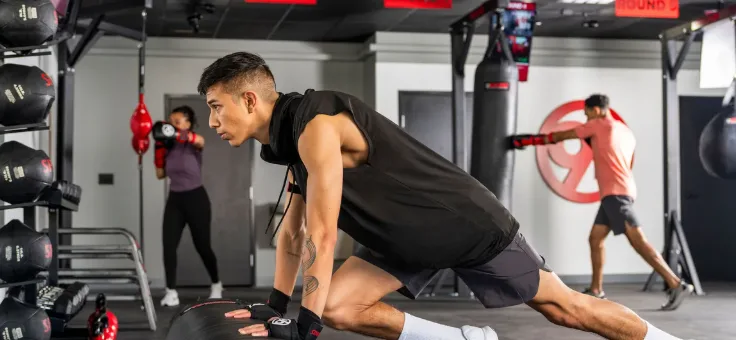
The Ultimate Fitness Gear Buying Guide: Equip Yourself for Success
Embarking on a fitness journey, or looking to elevate your existing routine, often hinges on having the right equipment. The world of fitness gear is vast and can be overwhelming, from high-tech wearables to fundamental workout accessories. This comprehensive guide is designed to demystify the process, helping you make informed decisions and invest in products that will truly support your health and wellness goals. We'll cover essential categories, key features to consider, and provide actionable advice to ensure you get the most value for your money.
Understanding Your Fitness Needs: The Foundation of Smart Shopping
Before diving into specific product categories, the most crucial step is to honestly assess your individual fitness needs and aspirations. What are your primary goals? Are you aiming for weight loss, muscle gain, improved cardiovascular health, enhanced flexibility, or simply a more active lifestyle? Your objectives will dictate the type of equipment that will be most beneficial.
1. Define Your Fitness Goals:
- Cardiovascular Health: If your focus is on improving heart health, endurance, and burning calories, consider equipment that elevates your heart rate consistently.
- Strength Training: For building muscle mass, increasing strength, and boosting metabolism, you'll need tools that provide resistance.
- Flexibility and Mobility: If you're looking to improve range of motion, reduce stiffness, and prevent injuries, focus on items that aid in stretching and recovery.
- General Wellness and Activity: For those seeking to incorporate more movement into their day or maintain a baseline level of fitness, versatile and accessible equipment is key.
2. Consider Your Environment:
- Home Workouts: Space constraints, noise levels, and your budget will influence your choices.
- Gym Workouts: You might be looking for complementary gear to enhance your gym sessions or for specific activities not readily available at your gym.
- Outdoor Activities: If you prefer running, cycling, or hiking, you'll need gear designed for those specific environments.
3. Assess Your Current Fitness Level:
- Beginners: Start with foundational, easy-to-use equipment that allows you to learn proper form and build a base.
- Intermediate: You might be ready to incorporate more challenging exercises and equipment that offers progressive overload.
- Advanced: Experienced individuals may seek specialized equipment for performance enhancement or specific training methodologies.
Essential Fitness Gear Categories and Buying Tips
Now that you have a clearer understanding of your needs, let's explore the key categories of fitness gear and what to look for in each.
Cardiovascular Equipment
Cardio workouts are vital for heart health, endurance, and calorie expenditure. The right equipment can make these sessions enjoyable and effective.
Treadmills
Treadmills offer a convenient way to get your cardio in, regardless of weather conditions. They are versatile, allowing for walking, jogging, and running at various inclines and speeds.
- Motor Power (HP): Look for at least 2.5 CHP for walking and 3.0 CHP or higher for running.
- Running Surface: A wider and longer deck (e.g., 20" x 60") provides more comfort and safety, especially for taller individuals or runners.
- Cushioning: Good shock absorption is crucial for reducing impact on your joints.
- Incline and Speed Options: A good range of incline (0-15%) and speed (up to 12 mph) offers workout variety.
- Features: Consider built-in programs, heart rate monitors, and connectivity options (Bluetooth, Wi-Fi) for tracking and entertainment.
Elliptical Trainers
Ellipticals provide a low-impact, full-body workout, engaging both your upper and lower body. They are a great option for those with joint concerns.
- Stride Length: A longer stride length (18-22 inches) generally feels more natural and effective.
- Resistance Levels: More resistance options allow for a more challenging workout.
- Incline and Moving Handles: Some models offer adjustable incline and moving handlebars for a more intense upper-body engagement.
- Flywheel Weight: A heavier flywheel generally provides a smoother and more consistent motion.
Stationary Bikes
Stationary bikes are excellent for cardiovascular conditioning and can be a good option for rehabilitation or for those who prefer a seated workout.
- Types: Upright bikes mimic a traditional cycling posture, recumbent bikes offer back support and a more relaxed position, and spin bikes are designed for high-intensity interval training (HIIT).
- Adjustability: Ensure the seat and handlebars are easily adjustable to fit your body.
- Resistance System: Magnetic resistance is typically quiet and smooth, while friction resistance is more basic and can be less durable.
- Console Features: Look for metrics like speed, distance, time, calories burned, and heart rate monitoring.
Rowing Machines
Rowing machines offer a full-body, low-impact workout that combines cardiovascular conditioning with strength training.
- Resistance Type: Air rowers provide resistance based on your effort, water rowers mimic the feel of rowing on water, and magnetic rowers use magnets for resistance.
- Build Quality: A sturdy frame is essential for stability and durability.
- Monitor: A clear display showing strokes per minute, distance, time, and calories is important.
Strength Training Equipment
Building strength is crucial for metabolism, bone density, and overall physical function. This category includes a wide range of tools.
Dumbbells and Kettlebells
These versatile weights are fundamental for a wide array of exercises, from bicep curls to squats and presses.
- Material: Cast iron is durable and common. Rubber-coated dumbbells protect floors and reduce noise.
- Grip: A comfortable and secure grip is paramount for safety.
- Weight Increments: Consider purchasing a range of weights or adjustable dumbbells to accommodate progressive overload.
- Kettlebell Handle: Ensure the handle is smooth and wide enough for comfortable gripping during swings.
Resistance Bands
Resistance bands are an affordable, portable, and versatile option for strength training, stretching, and rehabilitation.
- Resistance Levels: Bands come in various resistance levels (light, medium, heavy). It's often beneficial to have a set with multiple levels.
- Material: Latex is common, but some people prefer TPE (thermoplastic elastomer) for durability and to avoid latex allergies.
- Types: Loop bands (for glutes and legs), tube bands with handles (for a wider range of exercises), and therapy bands (for rehabilitation).
Weight Machines
Gyms are equipped with various weight machines targeting specific muscle groups. If you're setting up a home gym, consider these:
- Multi-Gyms: These offer a variety of exercises in a single unit, ideal for space-saving.
- Leg Press, Chest Press, Lat Pulldown Machines: These are good for isolating major muscle groups.
- Adjustability: Ensure the machine can be adjusted to your height and arm length for proper form.
- Weight Stack: Consider the weight range offered and if it suits your progression.
Barbells and Weight Plates
For serious strength training and powerlifting, barbells and weight plates are essential. They allow for lifting heavier loads and performing compound movements like squats, deadlifts, and bench presses.
- Barbell Type: Standard barbells are common, while Olympic barbells are designed for heavier lifting and have sleeves for weight plates.
- Weight Plates: Cast iron, bumper plates (for dropping from overhead), and calibrated plates are available.
- Collars: Essential for securing weight plates to the barbell.
Home Gym Flooring
Protecting your floors and providing a stable, cushioned surface for workouts is crucial.
- Interlocking Rubber Tiles: Easy to install and customize, offering good shock absorption and durability.
- Roll-out Mats: Suitable for smaller areas or specific workout zones.
- Thickness: Thicker mats provide better cushioning and sound dampening.
- Material: Recycled rubber is a popular and eco-friendly choice.
Workout Accessories
These smaller items can significantly enhance your workouts, improve safety, and aid in recovery.
Exercise Mats
Essential for floor exercises, stretching, yoga, and Pilates, providing comfort and grip.
- Thickness: Varies from thin mats for portability to thicker ones for extra cushioning.
- Material: PVC, TPE, and natural rubber offer different levels of grip and durability.
- Grip: A non-slip surface is crucial for preventing injuries.
Jump Ropes
An excellent tool for cardiovascular conditioning and coordination. Speed ropes offer faster rotations, while weighted ropes provide a more challenging workout.
- Handle Type: Smooth bearings for speed, comfortable grips for control.
- Cable Material: Steel cable is durable and fast, PVC is more common for beginners.
- Adjustability: Ensure you can adjust the length to your height.
Foam Rollers
Used for self-myofascial release, foam rollers help to relieve muscle soreness, improve flexibility, and aid in recovery.
- Density: Soft, medium, and firm densities cater to different needs. Beginners may prefer softer rollers.
- Surface Texture: Smooth rollers are general-purpose, while textured rollers can target specific muscle knots more effectively.
Weightlifting Gloves
Can help prevent calluses, improve grip, and provide a bit of extra cushioning during lifting sessions.
- Material: Leather and synthetic materials are common.
- Padding: Some gloves offer extra padding for comfort.
- Wrist Support: Integrated wrist wraps can offer additional stability.
Lifting Straps
Help to improve grip strength for heavy lifting exercises like deadlifts and rows, allowing you to lift more weight for longer.
- Material: Cotton, nylon, and leather are common.
- Length: Ensure they are long enough to wrap around the barbell securely.
Wearable Technology and Fitness Trackers
Wearables have revolutionized how we monitor our fitness, providing valuable data to guide our progress.
Smartwatches and Fitness Trackers
These devices track steps, heart rate, calories burned, sleep patterns, and often offer GPS for outdoor activities and workout-specific metrics.
- Accuracy: Look for reputable brands known for reliable sensors.
- Features: Consider GPS, heart rate monitoring (optical vs. chest strap compatibility), sleep tracking, blood oxygen monitoring, and ECG capabilities.
- Battery Life: Varies significantly between devices.
- Water Resistance: Important for swimming or workouts where you sweat heavily.
- App Ecosystem: The accompanying app should be user-friendly and provide insightful data analysis.
Heart Rate Monitors
For more precise heart rate data, especially during intense workouts, a chest strap monitor is often more accurate than wrist-based sensors.
- Compatibility: Ensure it connects with your smartwatch, phone, or gym equipment via Bluetooth or ANT+.
- Comfort: A comfortable strap is key for long-term wear.
Activewear and Footwear
Comfortable, functional clothing and supportive shoes are essential for performance and injury prevention.
Athletic Apparel
Choosing the right fabrics can make a big difference in your comfort and performance.
- Moisture-Wicking Fabrics: Materials like polyester, nylon, and specific blends pull sweat away from your skin, keeping you dry and cool.
- Breathability: Look for mesh panels or lightweight fabrics that allow air circulation.
- Fit: Apparel should allow for a full range of motion without being too restrictive or too loose.
- Compression Wear: Can aid in muscle recovery and improve blood flow.
Fitness Shoes
The type of shoe you need depends heavily on your activity.
- Running Shoes: Designed for shock absorption and forward motion. Consider your foot strike (pronation, supination) and the type of running you do (road, trail).
- Training Shoes: More versatile, offering good support for lateral movements, lifting, and cross-training.
- Weightlifting Shoes: Feature a raised heel and firm sole for stability during heavy lifts.
- Fit: Always try shoes on and ensure there's enough room in the toe box.
Emerging Fitness Trends and Gear
The fitness landscape is constantly evolving, with new technologies and approaches gaining popularity.
Smart Home Gym Equipment
These connected devices offer guided workouts, real-time feedback, and interactive experiences.
- Connected Strength Machines: Offer digital weight adjustments, form correction, and progress tracking.
- Interactive Fitness Mirrors: Display live and on-demand classes with virtual instructors.
- Smart Jump Ropes: Track jumps, calories, and workout duration.
Recovery Tools
Beyond foam rollers, advanced recovery tools are becoming more accessible.
- Percussion Massage Guns: Provide deep tissue massage to relieve muscle tension and soreness.
- Compression Boots: Use pneumatic compression to improve circulation and reduce swelling.
- Electrical Muscle Stimulation (EMS) Devices: Can aid in muscle recovery and pain relief.
Functional Fitness Equipment
Focuses on movements that mimic everyday activities, improving overall athleticism and injury prevention.
- Battle Ropes: Great for upper body conditioning and core strength.
- Slam Balls: Versatile for explosive power and core exercises.
- Sandbags: Offer unstable load training, challenging balance and stability.
Budgeting for Your Fitness Gear
It's possible to build a fantastic home gym or acquire essential gear without breaking the bank. Here's how to approach it:
Prioritize Based on Goals
Invest more in the equipment that directly supports your primary fitness goals. If you're a runner, a good pair of running shoes and a reliable treadmill might be top priorities.
Start with the Essentials
You don't need everything at once. Begin with a few key pieces and gradually add more as your needs and budget allow.
Consider Used Equipment
For larger items like treadmills or weight benches, looking for gently used equipment can offer significant savings.
Look for Sales and Discounts
Fitness retailers often have seasonal sales, holiday promotions, and clearance sections.
Value Over Price
While budget is important, consider the long-term value. A slightly more expensive piece of equipment that is more durable and effective might be a better investment than a cheaper, less robust alternative.
Conclusion: Invest in Your Health and Well-being
Choosing the right fitness gear is an investment in your health, energy, and overall quality of life. By understanding your personal fitness goals, researching different product categories, and considering the practical aspects of quality, durability, and budget, you can confidently equip yourself for success. Remember that the best fitness gear is the gear that you will actually use consistently. So, choose wisely, stay motivated, and enjoy the journey to a healthier you!