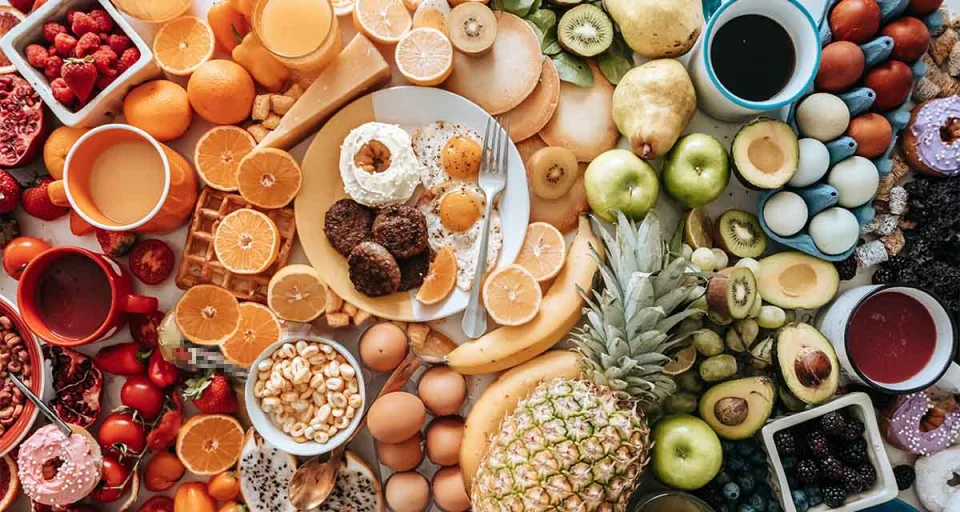
The Ultimate Food & Beverage Buying Guide: Navigating the World of Taste and Nutrition
The realm of food and beverages is a vibrant, ever-evolving landscape, offering an endless array of flavors, textures, and nutritional benefits. Whether you're a seasoned gourmand or a curious newcomer, navigating this diverse category can be both exciting and overwhelming. This comprehensive guide is designed to equip you with the knowledge and confidence to make informed purchasing decisions, ensuring you select products that not only tantalize your taste buds but also align with your health goals and ethical considerations. From understanding ingredient labels to exploring emerging trends, we'll delve deep into the nuances of the food and beverage industry to empower your shopping journey.
Understanding Your Needs: The Foundation of Smart Food & Beverage Choices
Before embarking on your shopping adventure, it's crucial to establish a clear understanding of your personal needs and preferences. This foundational step will significantly influence the types of products you seek and help you avoid impulse purchases that may not serve you well.
Dietary Restrictions and Preferences
The first consideration is your dietary profile. This encompasses a wide spectrum of requirements, including:
- Allergies: Common allergens like nuts, dairy, gluten, soy, and shellfish require careful label reading and product selection.
- Intolerances: Lactose intolerance, gluten sensitivity, and FODMAP sensitivities necessitate specific product choices.
- Dietary Lifestyles: Vegetarian, vegan, pescatarian, keto, paleo, and other lifestyle choices dictate the types of food and beverages you'll consume.
- Health Conditions: Individuals managing conditions like diabetes, heart disease, or high blood pressure need to pay close attention to sugar content, sodium levels, and fat profiles.
Nutritional Goals
Beyond simply avoiding allergens or adhering to a diet, consider your broader nutritional objectives:
- Weight Management: Focus on calorie density, protein content, and fiber to promote satiety and support healthy weight.
- Muscle Building/Athletic Performance: Prioritize protein-rich foods and beverages, along with adequate carbohydrates for energy.
- Energy Levels: Opt for complex carbohydrates, healthy fats, and nutrient-dense foods to sustain energy throughout the day.
- Overall Wellness: Incorporate a variety of fruits, vegetables, whole grains, and lean proteins to ensure a broad spectrum of vitamins and minerals.
Taste Preferences and Culinary Interests
Don't underestimate the power of enjoyment! Your taste preferences are a vital component of sustainable healthy eating:
- Flavor Profiles: Do you prefer sweet, savory, spicy, sour, or bitter?
- Texture: Crunchy, creamy, chewy, smooth – what textures do you find most appealing?
- Cuisine Styles: Are you drawn to Italian, Mexican, Asian, Mediterranean, or other global flavors?
- Cooking vs. Convenience: How much time are you willing to dedicate to meal preparation? This will influence your choice between fresh ingredients, pre-made meals, or convenient snacks.
Decoding Labels: Your Key to Informed Food & Beverage Purchases
Food and beverage labels are treasure troves of information, but they can also be a source of confusion. Mastering the art of label reading is a critical skill for any savvy shopper.
The Nutrition Facts Panel
This is your primary source of nutritional information. Key components to scrutinize include:
- Serving Size: Always pay attention to the serving size. Many people consume more than a single serving, significantly increasing their intake of calories, sugar, and sodium.
- Calories: Understand the caloric content per serving and how it fits into your daily intake.
- Total Fat: Differentiate between saturated, trans, and unsaturated fats. Aim for unsaturated fats and limit saturated and trans fats.
- Cholesterol: Important for cardiovascular health.
- Sodium: Excessive sodium intake is linked to high blood pressure.
- Total Carbohydrate: This includes dietary fiber and total sugars.
- Dietary Fiber: Crucial for digestive health and satiety.
- Total Sugars: Includes naturally occurring sugars and added sugars. Pay close attention to "added sugars."
- Protein: Essential for building and repairing tissues.
- Vitamins and Minerals: Look for key micronutrients like Vitamin D, Calcium, Iron, and Potassium.
The Ingredient List
Ingredients are listed in descending order by weight. This means the first few ingredients are the most prominent in the product:
- Identify Whole Foods: Look for recognizable, whole-food ingredients.
- Beware of Hidden Sugars: Sugar can be listed under various names, such as high-fructose corn syrup, sucrose, dextrose, maltose, and fruit juice concentrates.
- Watch Out for Artificial Additives: While many are safe, some individuals prefer to avoid artificial colors, flavors, and preservatives.
- Understand "Natural Flavors": This term can be broad and may encompass a range of substances.
Allergen Declarations
Most countries mandate clear labeling of common allergens. Always check for explicit statements like "Contains: Wheat, Milk, Soy." If you have severe allergies, it's wise to look for "may contain" statements as well, indicating potential cross-contamination.
Certifications and Claims
Be discerning with claims on packaging:
- "Organic": Indicates products grown without synthetic pesticides, herbicides, or genetically modified organisms (GMOs).
- "Non-GMO": Guarantees the absence of genetically modified ingredients.
- "Gluten-Free": Suitable for individuals with celiac disease or gluten sensitivity.
- "Vegan": Contains no animal products or by-products.
- "Fair Trade": Ensures ethical sourcing and fair compensation for producers.
- "Low Sodium," "Reduced Fat," etc.: Understand the specific criteria for these claims, as they can be relative.
Exploring the Diverse World of Food & Beverages: Key Categories and Considerations
The food and beverage market is vast. Here's a breakdown of major categories and what to look for within each.
Fresh Produce: Fruits and Vegetables
The cornerstone of a healthy diet, fresh produce offers a wealth of vitamins, minerals, and fiber.
- Seasonality: Buying produce in season often means better flavor, higher nutrient content, and lower prices.
- Appearance: Look for vibrant colors, firm textures, and absence of blemishes or wilting.
- Organic vs. Conventional: Consider your budget and concerns about pesticide residue. The Environmental Working Group (EWG) publishes annual "Dirty Dozen" and "Clean Fifteen" lists to guide these choices.
- Storage: Proper storage is key to maximizing shelf life and preserving nutrients.
Grains and Cereals
Whole grains are an excellent source of complex carbohydrates, fiber, and B vitamins.
- Whole Grains: Prioritize products where "whole wheat," "oats," "brown rice," or other whole grains are listed as the first ingredient.
- Refined Grains: White bread, white rice, and most breakfast cereals are refined and have had their bran and germ removed, stripping them of nutrients and fiber.
- Added Sugars: Be wary of sugary cereals and baked goods.
Proteins: Meat, Poultry, Fish, Legumes, and Plant-Based Alternatives
Protein is essential for satiety and muscle repair.
- Lean Meats: Opt for cuts with less visible fat.
- Poultry: Choose skinless chicken and turkey breast for leaner options.
- Fish: Fatty fish like salmon, mackerel, and sardines are rich in omega-3 fatty acids.
- Legumes: Beans, lentils, and peas are excellent, affordable sources of protein and fiber.
- Plant-Based Proteins: Tofu, tempeh, seitan, and plant-based meat alternatives are increasingly popular. Check their ingredient lists for processed ingredients and sodium.
- Processing: Be mindful of processed meats like sausages and deli meats, which are often high in sodium and preservatives.
Dairy and Dairy Alternatives
Dairy provides calcium and vitamin D, while alternatives cater to various dietary needs.
- Milk: Choose from whole, reduced-fat, or skim milk based on your fat intake goals.
- Yogurt: Opt for plain, unsweetened yogurt to control sugar intake. Greek yogurt is higher in protein.
- Cheese: Moderation is key due to its fat and sodium content.
- Dairy Alternatives: Soy, almond, oat, coconut, and cashew milks offer different flavor profiles and nutritional benefits. Check for added sugars and fortifications.
Fats and Oils
Healthy fats are crucial for hormone production, nutrient absorption, and brain health.
- Unsaturated Fats: Olive oil, avocado oil, canola oil, and nut oils are good choices.
- Saturated Fats: Found in butter, lard, and coconut oil. Consume in moderation.
- Trans Fats: Largely artificial and detrimental to health. Avoid products containing partially hydrogenated oils.
- Nuts and Seeds: Excellent sources of healthy fats, protein, and fiber.
Beverages: Water, Juices, Teas, Coffees, and Soft Drinks
Hydration is paramount, but the choices are vast.
- Water: The best choice for hydration. Consider filtered water for taste and purity.
- 100% Fruit Juices: While they contain vitamins, they are also high in natural sugars. Consume in moderation.
- Teas and Coffees: Offer antioxidants and can be a healthy part of your diet, but be mindful of added sugars and creamers.
- Soft Drinks and Sugary Beverages: High in empty calories and sugar, contributing to various health problems. Opt for sugar-free alternatives or water.
- Alcoholic Beverages: Consume responsibly and in moderation.
Snacks and Convenience Foods
These are often where hidden sugars, sodium, and unhealthy fats lurk.
- Whole Food Snacks: Fruits, vegetables with hummus, nuts, seeds, and plain yogurt are excellent choices.
- Processed Snacks: Chips, cookies, crackers, and candy bars are typically high in calories, sugar, and sodium, and low in nutrients.
- Read Labels Carefully: Even seemingly healthy snacks can be loaded with sugar or unhealthy fats.
Emerging Trends in the Food & Beverage Industry
The food and beverage landscape is constantly evolving. Staying abreast of trends can open up new and exciting options.
Plant-Based Revolution
The demand for plant-based alternatives to meat, dairy, and eggs continues to surge, driven by health, environmental, and ethical concerns. This includes a wide range of products from plant-based milks and cheeses to meat substitutes that mimic the taste and texture of traditional meats.
Functional Foods and Beverages
These products are designed to offer specific health benefits beyond basic nutrition. Examples include:
- Probiotic-rich foods: Yogurt, kefir, kimchi, and sauerkraut for gut health.
- Adaptogen-infused beverages: Drinks containing herbs like ashwagandha or reishi mushrooms to help manage stress.
- Fortified foods: Products enriched with vitamins, minerals, or omega-3 fatty acids.
Sustainability and Ethical Sourcing
Consumers are increasingly concerned about the environmental impact of their food choices. This translates to a demand for:
- Locally sourced products: Reducing transportation emissions and supporting local economies.
- Eco-friendly packaging: Minimizing plastic waste and opting for recyclable or compostable materials.
- Fair Trade and ethically produced goods: Ensuring fair wages and safe working conditions for producers.
- Reduced food waste initiatives: Companies and consumers working together to minimize waste.
Personalized Nutrition
Technology is enabling more personalized approaches to food and beverage consumption. This can involve:
- DNA-based dietary recommendations: Tailoring food choices to individual genetic predispositions.
- AI-powered meal planning: Apps that create customized meal plans based on your health data and preferences.
- Gut microbiome analysis: Understanding your unique gut bacteria to inform dietary choices.
Clean Label and Transparency
Consumers are demanding simpler ingredient lists with fewer artificial additives and a greater understanding of where their food comes from. This trend emphasizes transparency in sourcing, production, and ingredient disclosure.
Tips for Smart Shopping in the Food & Beverage Aisle
Putting all this knowledge into practice requires a strategic approach to your shopping trips.
Plan Your Meals and Make a List
This is the golden rule of smart grocery shopping. Knowing what you'll eat for the week helps you buy only what you need, reducing waste and impulse buys.
Shop the Perimeter First
The outer aisles of the grocery store typically house fresh produce, dairy, lean meats, and whole grains – the building blocks of a healthy diet. Processed foods and packaged snacks are usually found in the inner aisles.
Compare Prices and Value
Don't just grab the first item you see. Compare prices per unit (e.g., per ounce or per pound) to ensure you're getting the best value. Consider store brands, which are often more affordable.
Buy in Bulk (Wisely)
For non-perishable items you use regularly, buying in bulk can save money. However, ensure you have adequate storage space and that you'll actually consume the product before it expires.
Don't Shop When Hungry
This is a recipe for disaster! When you're hungry, everything looks appealing, leading to impulsive purchases of less healthy options.
Read Reviews and Seek Recommendations
For new products or brands, check online reviews or ask friends and family for their recommendations. This can save you from wasting money on products you won't enjoy.
Consider Your Budget
Healthy eating doesn't have to be expensive. Focus on whole, unprocessed foods, which are often more cost-effective than pre-packaged meals and specialty items. Learn to cook staple ingredients like beans and grains from scratch.
Prioritize Quality Over Quantity
Sometimes, spending a little more on a higher-quality, more nutritious product is a better investment in your health than buying a larger quantity of a less healthy option.
Conclusion: Embarking on a Flavorful and Nutritious Journey
The world of food and beverages is a dynamic and rewarding space to explore. By understanding your personal needs, mastering the art of label reading, and staying informed about emerging trends, you can become a confident and discerning shopper. This guide has provided you with the tools to navigate the aisles with purpose, making choices that nourish your body, delight your senses, and align with your values. Remember that healthy eating is a journey, not a destination. Embrace the diversity, experiment with new flavors, and enjoy the delicious and nutritious possibilities that the food and beverage category has to offer.