The Ultimate Guide to Choosing Consumer Electronics: How to Make Smart Tech Investments
In an era where technology evolves at breakneck speed, navigating the world of consumer electronics can feel overwhelming. From high-performance laptops and immersive home theater systems to smart home devices and wearable gadgets, the options are endless. Whether you are upgrading your workspace or building a connected home, making the right choice requires more than just looking at a price tag. This comprehensive guide provides you with the knowledge needed to make informed decisions in the vast landscape of consumer electronics.
Understanding Your Needs: The First Step to Smart Buying
Before diving into specifications and brands, the most critical step is identifying your specific requirements. Electronics are tools designed to solve problems or enhance experiences. Ask yourself these three fundamental questions:
- What is the primary use case? Are you a professional video editor needing raw power, or a student looking for portability and battery life?
- What is your long-term plan? Do you need a device that will last five years, or are you looking for a budget-friendly solution for the next 18 months?
- What is your ecosystem? Do you already own devices that require seamless integration (e.g., syncing a smartphone with a tablet or laptop)?
By defining these parameters, you filter out unnecessary features and focus on what truly adds value to your daily routine.
Key Categories in Consumer Electronics
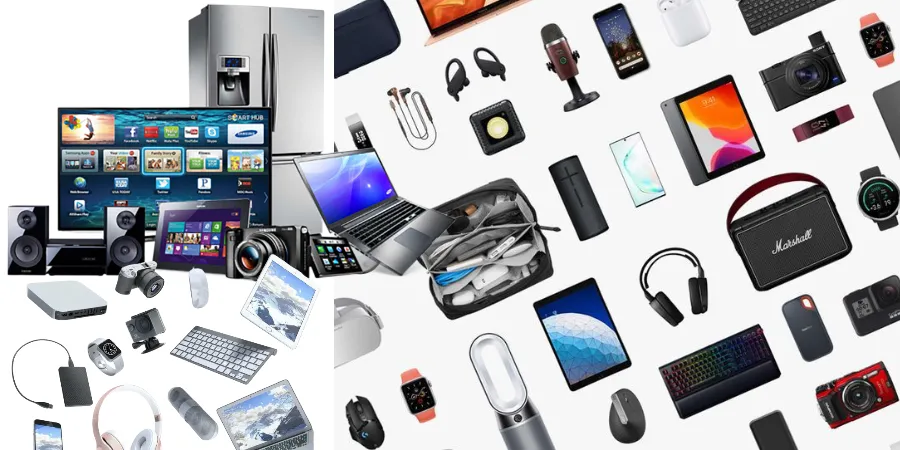
Consumer electronics cover a broad spectrum. To make sense of the market, it is helpful to categorize them based on their function and technical requirements.
1. Computing Devices: Laptops, Desktops, and Tablets
Computing power is the backbone of the digital age. When choosing a computer, prioritize the processor (CPU), RAM, and storage type. For modern workflows, an SSD is non-negotiable, and 16GB of RAM is becoming the new standard for multitasking.
2. Audio-Visual Equipment
Whether it is a 4K television or high-fidelity headphones, audio-visual gear is all about specifications like refresh rates, panel types (OLED vs. LED), and frequency response ranges. Always check for connectivity standards like HDMI 2.1 for gaming or Bluetooth 5.0+ for stable audio streaming.
3. Smart Home and IoT Devices
The smart home ecosystem relies on connectivity. When purchasing smart bulbs, thermostats, or security cameras, ensure they support universal protocols like Matter, which allows devices from different manufacturers to communicate effectively.
Comparison Table: Key Specifications to Watch
| Category | Critical Specification | Why It Matters |
|---|---|---|
| Laptops | Processor (CPU) | Determines speed, multitasking ability, and battery efficiency. |
| Televisions | Refresh Rate | Higher rates (120Hz+) ensure smoother motion for sports and gaming. |
| Smartphones | Storage Type | UFS 3.1 or higher ensures faster app loading and file transfers. |
| Audio Gear | Codec Support | LDAC or aptX provide better audio quality over wireless connections. |
Decoding Technical Jargon: What Do the Specs Really Mean?
Marketing materials are often filled with acronyms that can confuse the average consumer. Understanding these terms is essential to avoid overpaying for features you do not need.
Resolution vs. Panel Quality
In display technology, 4K resolution is standard, but the panel technology matters more. OLED offers perfect blacks and infinite contrast, while Mini-LED provides high brightness and longevity. Do not be fooled by high resolution on a small screen where the human eye cannot distinguish the pixel density.
Wireless Standards
When buying networking gear or mobile devices, look for the latest Wi-Fi standards (e.g., Wi-Fi 6E or Wi-Fi 7). These standards offer better congestion management and faster speeds, which are vital in modern households with dozens of connected devices.
The Art of Budgeting for Tech
A common mistake in purchasing electronics is the "feature creep" trap—paying for high-end features that remain unused. Use the 80/20 rule: spend your budget on the 20% of features that will be used 80% of the time.
- The "Sweet Spot": In almost every category, there is a "sweet spot" where price-to-performance ratio is highest. This is usually one tier below the flagship model.
- Refurbished vs. New: Certified refurbished electronics often come with warranties and can save you 20-30% of the cost without compromising performance.
- Hidden Costs: Always account for accessories. A high-end camera needs a fast SD card; a professional monitor needs a high-quality cable; a smart home hub may require a subscription service.
Sustainability and Longevity: The Future of Electronics
Choosing electronics today involves considering their lifecycle. Electronic waste (e-waste) is a growing global concern. To be a more responsible consumer, look for devices with:
- Repairability: Can the battery or storage be replaced easily? Devices with modular designs are becoming more popular and sustainable.
- Software Support: Check the manufacturer’s history of providing security updates and OS upgrades. A device that receives updates for 5+ years is a better investment than a cheaper one that becomes obsolete in two.
- Energy Efficiency: Look for Energy Star ratings or similar certifications to reduce the long-term cost of electricity and lower your carbon footprint.
Trends Shaping the Future of Electronics
The electronics industry is currently pivoting toward integration and artificial intelligence. Here is what to watch for when making future purchases:
Artificial Intelligence (AI) Integration
AI is no longer just software; it is being baked into hardware. From AI-enhanced image processing in cameras to predictive battery management in laptops, look for devices that use on-device processing for privacy and speed.
The Move Toward Unified Ecosystems
Manufacturers are creating tighter "walled gardens." While this improves ease of use, be wary of becoming locked into a single ecosystem. Prioritize devices that support cross-platform interoperability, such as USB-C charging across all your gear.
Foldable and Flexible Displays
While still in the early stages, foldable technology is changing the form factor of tablets and phones. If you are an early adopter, ensure the device has a robust hinge mechanism and a proven track record of screen durability.
Final Tips for the Savvy Buyer
Before you finalize your purchase, follow these final steps to ensure you are getting the best value:
1. Read User Reviews, Not Just Professional Ones: Professional reviewers often test products in ideal conditions. User reviews on forums and community platforms reveal long-term reliability issues, common bugs, and real-world battery life.
2. Check the Return Policy: Especially for expensive electronics, ensure the retailer has a generous return policy. Sometimes a device’s ergonomics or software interface simply do not fit your personal workflow, regardless of how good it looks on paper.
3. Time Your Purchase: Electronics follow a predictable cycle. New models are typically released at the same time each year. Waiting just a few weeks after a new product launch can often lead to significant price drops on the previous generation, which is often 90% as capable.
Conclusion
Purchasing consumer electronics is an exercise in balancing performance, price, and personal necessity. By moving past the flashy marketing and focusing on the core specifications that impact your daily life, you can build a collection of devices that serve you well for years to come. Remember to prioritize repairability, software longevity, and your actual use case. In the rapidly evolving world of technology, being an informed consumer is the most powerful tool you have.
By following the principles outlined in this guide, you are well-equipped to navigate the complexities of the electronics market, ensuring that your next tech investment is not just a purchase, but a valuable addition to your digital life.