The Ultimate Guide to Choosing Home Accessories: Elevating Your Living Space
Your home is more than just a place to live; it is a canvas for your personality, a sanctuary from the outside world, and a reflection of your lifestyle. While furniture provides the functional foundation of a room, home accessories are the finishing touches that transform a house into a home. Whether you are looking to refresh a tired living room or styling a new apartment from scratch, choosing the right accents is an art form.
In this comprehensive guide, we will navigate the world of home accessories, providing you with the expert knowledge needed to curate a space that feels intentional, cohesive, and uniquely yours.
Understanding the Role of Home Accessories
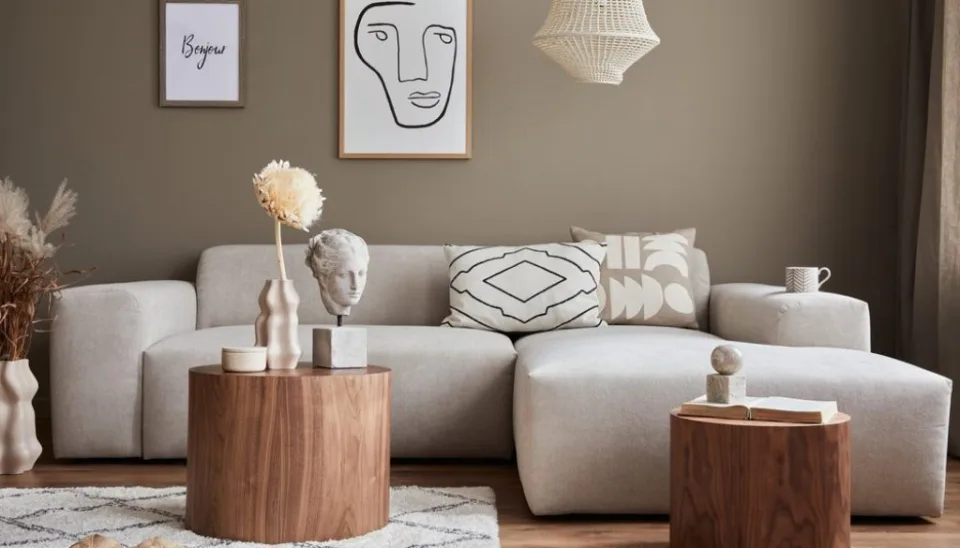
Home accessories encompass everything from decorative pillows and throws to wall art, vases, lighting fixtures, and organizational tools. Their primary purpose is twofold: aesthetic enhancement and functional utility. When selected thoughtfully, these items can bridge the gap between disparate furniture pieces, add texture to a neutral palette, and introduce warmth into minimalist spaces.
Before you begin shopping, it is essential to identify the "vibe" you want to achieve. Are you aiming for a serene, Scandinavian-inspired retreat? A maximalist, eclectic haven? Or perhaps a sleek, modern urban aesthetic? Defining your style helps narrow down the vast sea of options, preventing impulsive purchases that might clash with your overall vision.
Essential Categories of Home Accessories
To build a well-rounded interior, it helps to categorize your accessories. A balanced room usually incorporates elements from the following groups:
- Textiles: Throw pillows, blankets, rugs, and curtains. These add softness and color.
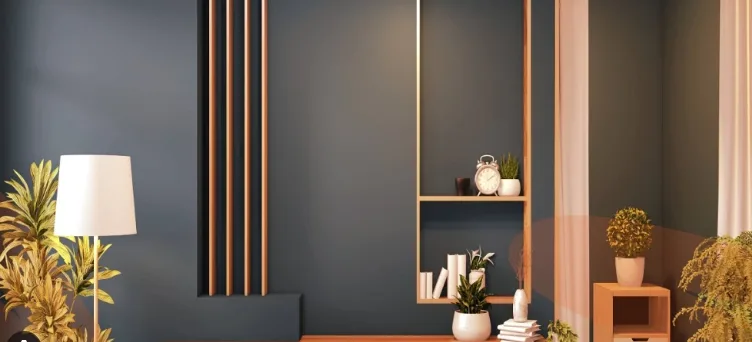
- Wall Decor: Art prints, mirrors, wall hangings, and shelving. These draw the eye upward and add depth.
- Lighting: Table lamps, floor lamps, and candles. Lighting is the "jewelry" of a room.
- Decorative Objects: Vases, sculptures, books, and trays. These provide character and conversation starters.
- Botanicals: Real or faux plants and flowers. These bring life and organic movement into a space.
A Comparative Look: Selecting the Right Materials
When selecting accessories, the material matters as much as the shape. Here is a breakdown of common materials and how they influence the atmosphere of your home:
| Material | Best For | Atmosphere |
|---|---|---|
| Natural Wood | Bowls, frames, shelving | Warm, grounded, organic |
| Glass/Crystal | Vases, lighting, mirrors | Airy, sophisticated, reflective |
| Metals (Brass/Copper) | Candlesticks, hardware | Luxurious, industrial, warm |
| Textiles (Linen/Wool) | Throws, pillows | Cozy, tactile, soft |
Tips for Curating Your Space Like a Pro
Professional interior designers follow specific principles when styling a home. You can apply these same techniques to your own space to achieve a polished look.
1. The Rule of Three
Our eyes are naturally drawn to odd numbers. When arranging decorative objects—such as a vase, a small sculpture, and a candle on a coffee table—grouping them in threes creates a more visually pleasing and balanced display than even-numbered groupings.
2. Focus on Texture and Layering
A room can feel flat if everything has the same texture. If your sofa is smooth leather, add a chunky knit throw and a velvet pillow. If your floor is hardwood, add a plush rug. Mixing materials adds depth and makes a room feel "lived-in" rather than like a sterile showroom.
3. Scale and Proportion
One of the most common mistakes is choosing accessories that are too small. A tiny picture frame on a large empty wall will look lost. Similarly, a massive floor lamp next to a small chair will overwhelm the space. Always measure your furniture before buying accessories to ensure the scale is appropriate.
4. Don’t Forget Negative Space
You do not need to fill every shelf or wall. Negative space (the empty areas around your items) allows the eye to rest and prevents a room from feeling cluttered. A curated display is far more impactful than a crowded one.
Navigating Trends vs. Timeless Design
In the world of home accessories, trends move fast. While it is fun to incorporate seasonal trends—like a specific color palette or a quirky geometric shape—it is wise to invest your budget in timeless pieces.
Timeless accessories include high-quality ceramic vases, neutral-colored wool throws, classic mirrors with clean lines, and sculptural lighting. These items can transition through various design phases of your life. Reserve the trendy items for lower-cost accessories like pillow covers, candles, or small trinkets that can be easily swapped out without a major financial commitment.
How to Shop Sustainably and Thoughtfully
The best home accessories are those that tell a story. Instead of buying everything from one catalog, aim to curate a collection over time.
- Thrift and Vintage: Second-hand stores and vintage markets are gold mines for unique, high-quality decor that you won't find in big-box stores.
- Artisan Goods: Look for handmade items from local artists. Not only does this support the creative community, but it also ensures your home features one-of-a-kind pieces.
- Nature-Inspired: Sometimes the best accessory is found outside. A beautiful branch in a tall vase or a collection of stones can serve as elegant, free decor.
Maintenance and Care for Your Accessories
Once you have curated your collection, keeping your accessories in top shape is key to maintaining a fresh look. Dust is the enemy of decor; make it a habit to wipe down surfaces weekly. For textiles, check the care labels—some pillows may require dry cleaning, while others can be machine-washed. Rotate your seasonal decor to keep your space feeling fresh; tucking away certain items for a few months makes them feel new and exciting when you bring them back out.
Final Thoughts on Creating Your Sanctuary
Choosing home accessories is a personal journey. There is no "right" or "wrong" when it comes to your own living space, provided that the items you choose bring you joy. Start small, focus on quality over quantity, and don't be afraid to experiment with different arrangements. By following these guidelines, you can build a home that is not only beautiful but also a true reflection of who you are.
Remember, your home should be a work in progress. As you travel, learn, and grow, your accessory collection will naturally evolve. Keep your eyes open for pieces that resonate with you, and enjoy the process of making your space a place you are proud to call home.