The Ultimate Guide to Choosing Home Accessories: Elevating Your Living Space
Your home is a reflection of your personality, a sanctuary where comfort meets style. While furniture provides the foundation, it is the home accessories that truly breathe life into a room. Whether you are looking to refresh a tired living area or styling a brand-new home, understanding how to select and curate home accessories is the secret to achieving a professional, designer-level look.
In this comprehensive guide, we will explore the world of home accessories, providing you with actionable tips, current trends, and a roadmap to making informed purchasing decisions that stand the test of time.
Understanding the Role of Home Accessories
Home accessories, often referred to as "home decor," encompass the smaller, decorative items that add character to your living space. Unlike functional furniture, these pieces are designed to evoke emotion, add texture, and bridge the gap between different design elements in a room. They are the finishing touches that transform a house into a home.
When shopping for accessories, it is important to categorize them to better understand their purpose:
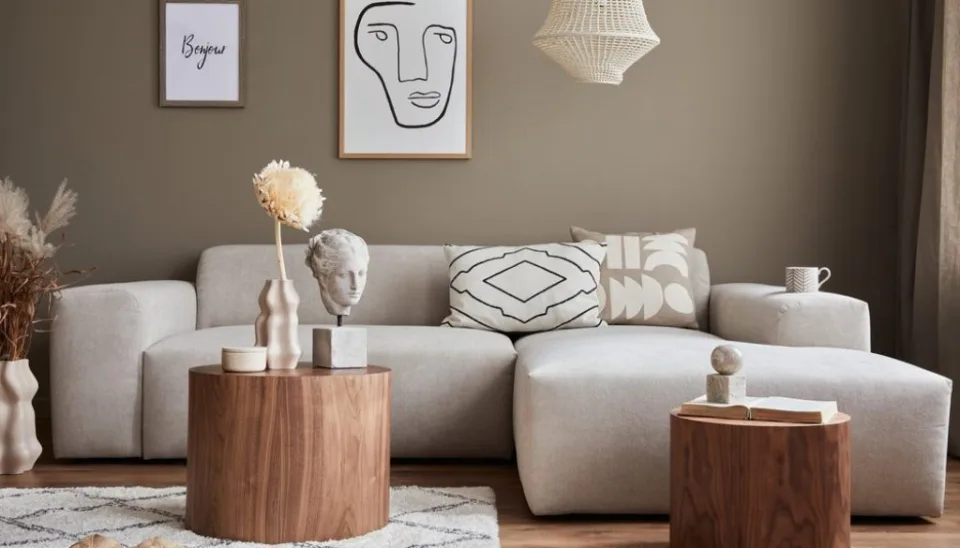
- Textiles: Throw pillows, blankets, rugs, and curtains that provide comfort and color.
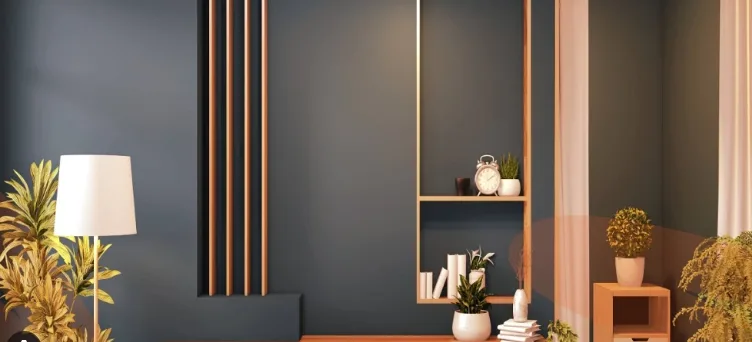
- Lighting: Table lamps, floor lamps, and candles that set the mood.
- Wall Decor: Art prints, mirrors, and wall hangings that draw the eye upward.
- Decorative Objects: Vases, sculptures, books, and trays that showcase personality.
- Botanicals: Plants and dried flowers that bring a touch of nature indoors.
The Golden Rules of Styling Accessories
Buying accessories without a plan often leads to clutter. To create a cohesive look, follow these fundamental principles used by interior designers.
1. The Rule of Three
Our eyes are naturally drawn to odd numbers. When arranging objects on a coffee table or bookshelf, group items in threes. This creates visual interest and balance. Try varying the heights, shapes, and textures of the items within your trio to keep the display dynamic.
2. Focus on Texture and Material
A room can feel flat if everything is made of the same material. If you have a leather sofa, introduce a chunky knit throw or a velvet pillow. If you have a glass coffee table, add a wooden tray or a metallic sculpture. The contrast between textures is what makes a room feel "layered" and sophisticated.
3. Scale and Proportion
One of the most common mistakes is using accessories that are too small for the space. A tiny picture frame on a large, empty wall will look lost. Conversely, an oversized vase on a small side table can feel cluttered. Always consider the scale of your furniture when choosing accessories to ensure they complement, rather than overwhelm, the space.
A Comparative Look: How to Choose the Right Materials
When browsing home accessories, the material you choose dictates the longevity and "vibe" of the piece. Use this table to guide your decision-making process based on your lifestyle needs.
| Material | Best For | Maintenance Level | Design Aesthetic |
|---|---|---|---|
| Natural Wood | Shelving, Trays, Sculptures | Low | Rustic, Scandinavian, Organic |
| Glass/Crystal | Vases, Candle Holders | Medium | Modern, Glamorous, Minimalist |
| Textiles (Wool/Cotton) | Pillows, Throws, Rugs | High | Cozy, Bohemian, Traditional |
| Metal (Brass/Steel) | Lamps, Hardware, Frames | Low | Industrial, Contemporary, Luxe |
Current Trends in Home Accessories
While classic pieces are always a safe bet, incorporating modern trends can make your home feel current. Here are the top trends shaping the world of home accessories today:
Biophilic Design
Bringing the outdoors in remains the biggest trend in interior design. This goes beyond simple houseplants. Look for accessories made from natural materials like rattan, jute, stone, and raw wood. Earthy color palettes—think sage green, terracotta, and warm sand—are essential for this look.
Curated Maximalism
Moving away from sterile minimalism, curated maximalism encourages the display of items that tell a story. This trend is about layering textures, mixing patterns, and showcasing collections. The key is to keep the clutter intentional; every item should have a purpose or a sentimental value.
Sculptural Lighting
Lighting is no longer just functional; it is a statement piece. Look for table lamps with organic, flowing shapes or floor lamps that resemble art installations. Lighting is the jewelry of the room, so don't be afraid to choose something bold.
Buying Guide: Tips for Savvy Shoppers
Purchasing home accessories can be overwhelming. Follow these steps to ensure you make the right choices for your space.
1. Audit Your Space First
Before you go shopping, walk through your room and identify "empty" spots that need personality. Is your bookshelf looking sparse? Is your sofa lacking comfort? Having a specific goal prevents impulse buys that end up in storage.
2. Define Your Color Palette
Choose a base color and two accent colors. When buying accessories, stick to this palette to ensure everything in the room feels connected. If you are unsure, neutrals are always a safe, elegant choice that allows you to change accent colors seasonally.
3. Quality Over Quantity
It is better to have one high-quality, beautiful ceramic vase than five cheap plastic ones. Home accessories are often handled or viewed up close, so the quality of materials matters. Investing in well-made items ensures they will last for years and maintain their aesthetic appeal.
4. Don't Forget the "Negative Space"
One of the biggest secrets of professional styling is knowing when to stop. Leave some empty space on your shelves or tables. This "negative space" allows the eye to rest and makes the accessories you do choose to stand out more effectively.
Seasonal Refresh: Keeping Your Home Fresh
You don't need to redecorate your entire home every season. The beauty of home accessories is their versatility. By swapping out a few key items, you can change the mood of a room entirely:
- Spring/Summer: Switch to lightweight linen throws, bright floral arrangements, and light-colored cushions.
- Autumn/Winter: Introduce velvet or wool textures, warm-toned candles, and deeper, moodier color palettes.
Common Mistakes to Avoid
Even with the best intentions, it is easy to fall into common decor traps. Avoid these pitfalls to keep your home looking polished:
- Matching Everything: Don't buy a matching set of accessories (e.g., matching lamp, clock, and frame). It makes a room look like a showroom catalog rather than a home. Mix and match styles for a more authentic feel.
- Ignoring Lighting Levels: Never rely solely on overhead lighting. Use table lamps and floor lamps to create layers of light, which makes a room feel warmer and more inviting.
- Over-decorating: If every surface is covered, the room will feel cluttered and chaotic. If you have too many items, rotate them seasonally so you can appreciate each piece individually.
Conclusion
Selecting the right home accessories is a journey of discovery. It is about identifying what makes you feel comfortable, inspired, and at peace. By focusing on quality, balancing your textures, and keeping your personal style at the forefront, you can curate a living space that feels both functional and deeply personal.
Remember, your home is a work in progress. Don't feel the need to fill every corner overnight. Take your time, choose pieces that speak to you, and enjoy the process of making your space uniquely yours. With the right accessories, you can transform any house into a beautiful, inviting sanctuary that you’ll love coming home to every single day.