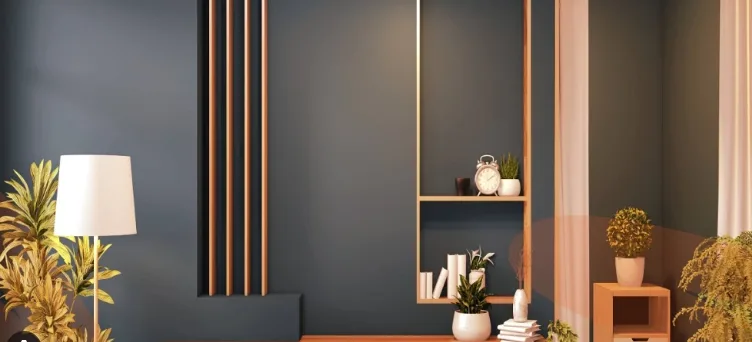
The Ultimate Guide to Choosing Home Accessories: Elevating Your Living Space
Home accessories are the soul of interior design. While furniture provides the functional foundation of a room, accessories are the elements that inject personality, texture, and color into your living space. Whether you are moving into a new home or looking to refresh your current environment, understanding how to curate home accessories is the key to transforming a house into a home.
This comprehensive guide will walk you through the art of selecting, styling, and balancing home accessories to create a cohesive and inviting atmosphere that reflects your unique style.
Understanding the Role of Home Accessories
Home accessories encompass a wide range of items, from decorative cushions and throws to wall art, vases, mirrors, and lighting fixtures. Their primary role is to bridge the gap between form and function. When chosen correctly, they can:
- Add Texture and Depth: Mixing materials like linen, velvet, wood, and metal prevents a room from feeling flat.
- Introduce Color Palettes: Accessories are the most cost-effective way to introduce trending colors without committing to permanent changes like painting walls.
- Reflect Personal Narrative: Items like travel souvenirs, family photos, and unique artifacts tell the story of who lives in the home.
- Enhance Functionality: Many accessories, such as decorative storage baskets or ambient lamps, serve a dual purpose of beauty and utility.
Key Categories of Home Accessories
To navigate the world of home decor, it helps to categorize accessories by their primary function. Here is a breakdown of the essential categories you should consider when accessorizing your home.
1. Textiles and Soft Furnishings
Textiles are the "softeners" of a room. They provide comfort and warmth. Focus on layering different fabrics to create a luxurious feel. Consider the following:
- Throw Pillows: Mix and match patterns, solids, and textures. A good rule of thumb is to vary the sizes to create visual interest.
- Area Rugs: These act as the "anchor" for furniture arrangements and define distinct zones in open-plan living areas.
- Curtains and Drapes: Beyond privacy, they frame your windows and can make a ceiling appear higher if hung closer to the top of the wall.
2. Wall Decor and Art
Bare walls can make a room feel unfinished. Wall art is an expression of your personality. Whether you prefer a gallery wall of personal photos or a large-scale statement piece, art sets the tone for the entire room.
3. Lighting Fixtures
Lighting is often overlooked, yet it is the most critical element of interior atmosphere. Avoid relying solely on overhead lighting. Layer your lighting with table lamps, floor lamps, and wall sconces to create a warm, inviting glow.
4. Decorative Objects and Accents
These are the finishing touches—vases, sculptures, candles, and books. They should be curated, not cluttered. The "Rule of Three" is a popular design principle here: items grouped in odd numbers, particularly three, are more visually appealing to the human eye.
Comparison Table: Choosing the Right Material for Your Space
| Material | Best Used For | Vibe/Aesthetic | Maintenance Level |
|---|---|---|---|
| Natural Wood | Picture frames, bowls, side tables | Warm, Organic, Rustic | Low |
| Glass/Crystal | Vases, lighting, coffee tables | Modern, Airy, Elegant | High (Fingerprints) |
| Metal (Brass/Steel) | Hardware, sculptures, lamps | Industrial, Glamorous, Sleek | Medium |
| Textiles (Wool/Linen) | Cushions, rugs, throws | Cozy, Soft, Inviting | Medium (Cleaning) |
How to Style Your Home Accessories Like a Pro
Buying beautiful items is only half the battle. Knowing how to display them is what separates a cluttered room from a curated one. Follow these professional styling tips to ensure your home looks polished.
The Art of Layering
Don't just place items side-by-side. Layer them. For example, on a coffee table, place a stack of coffee table books, top them with a decorative tray, and finish with a small candle or a sculptural object. This creates depth and dimension.
Maintain Negative Space
One of the most common mistakes is overcrowding. Every object needs "breathing room" to be appreciated. If your shelves are packed tightly, your eye won't know where to rest. Leave some empty space to allow the eyes to travel across the room naturally.
Consider Scale and Proportion
Scale is vital. A tiny painting on a large, empty wall will look lost, while an oversized floor lamp in a small reading nook might feel overwhelming. Before purchasing, measure your space and visualize the item in context. Always aim for a balance between large statement pieces and smaller, delicate accents.
Current Trends in Home Accessories
While trends come and go, some styles have lasting power. Currently, the design world is leaning toward "Biophilic Design"—bringing the outdoors in. This includes incorporating natural materials like rattan, stone, and wood, as well as an abundance of indoor plants. Sustainability is also at the forefront, with a growing preference for artisanal, handmade goods over mass-produced plastic items.
Buying Guide: A Step-by-Step Checklist
When you are out shopping for home accessories, follow this checklist to ensure you make the right investment:
- Identify the Purpose: Is this item purely decorative, or does it need to serve a functional role (e.g., storage)?
- Assess Your Color Palette: Does the item complement or contrast appropriately with your existing color scheme?
- Check the Quality: Examine the craftsmanship. Does the material feel durable? Are the finishes smooth and well-executed?
- Consider the Maintenance: Will you have the time and energy to keep this item clean and in good condition?
- Test the Scale: If possible, bring home a sample or use painter's tape on the floor/wall to map out the size of the item before finalizing your purchase.
Creating a Cohesive Look Across Different Rooms
A common challenge is making a home feel unified. You don't want your living room to feel like a different house from your bedroom. The trick is to create a "thread" that runs through the entire home.
You can achieve this by repeating a specific metal finish (like matte black hardware) or a specific color tone (like muted earth tones) throughout the different rooms. This subtle repetition creates a subconscious sense of harmony and flow as you move from one space to the next.
Final Thoughts on Investing in Quality
When it comes to home accessories, it is often better to invest in a few high-quality, timeless pieces rather than filling your home with cheap, disposable decor. A high-quality wool throw or a hand-blown glass vase will not only look better but will also last for years, retaining its value and beauty.
Remember, your home is an extension of yourself. Don't feel pressured to follow every trend you see on social media. Choose items that spark joy and reflect your personality. By following these guidelines, you can build a collection of home accessories that make your living space feel curated, comfortable, and truly yours.
Start small, be patient, and enjoy the process of decorating. After all, the best homes are those that evolve over time, reflecting the growth and memories of the people who live within them.


