The Ultimate Guide to Choosing Home Accessories: Elevating Your Living Space
Your home is more than just a place to live; it is a reflection of your personality, your tastes, and your lifestyle. While furniture provides the foundation of your interior design, it is the home accessories that truly bring a room to life. From throw pillows and wall art to decorative vases and ambient lighting, these finishing touches turn a house into a home.
Choosing the right home accessories can feel overwhelming, especially with the endless array of styles, colors, and materials available today. This comprehensive guide will walk you through everything you need to know to curate a space that is both functional and aesthetically pleasing.
Understanding the Role of Home Accessories
Before you start shopping, it is essential to understand why accessories matter. They serve three primary purposes in interior design:
- Adding Personality: Accessories allow you to showcase your interests, travels, and personal history.
- Creating Cohesion: They bridge the gap between different furniture pieces, tying a room together with consistent colors or textures.
- Enhancing Functionality: Many accessories, such as mirrors, storage baskets, and rugs, serve a practical purpose while looking great.
The Golden Rules of Styling Home Accessories
Even the most expensive decorative items can look cluttered if not placed correctly. Follow these professional tips to ensure your home accessories enhance your space rather than overwhelming it.
1. The Rule of Three
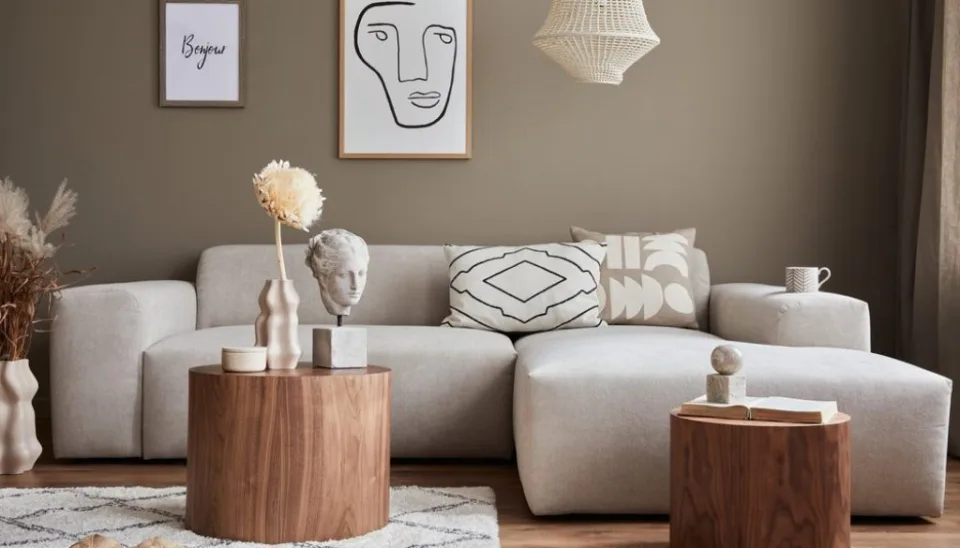
In design, odd numbers are more visually appealing than even ones. Grouping items in threes creates a balanced and natural look. For example, when styling a coffee table, combine a stack of books, a small plant, and a decorative candle holder. This creates a focal point that is pleasing to the eye.
2. Play with Height and Scale
Avoid placing items of the same height next to each other. Varying the height of your accessories adds depth and dimension to your shelves or tabletops. Pair a tall vase with a medium-sized frame and a small sculptural piece to create visual interest.
3. Consider Texture and Material
A room filled with only one type of material can feel flat. To create a sophisticated look, mix textures. If you have a leather sofa, add soft velvet cushions and a chunky knit throw. Contrast smooth surfaces like glass or marble with natural elements like wood or woven rattan.
Essential Home Accessories by Room
Every room has different needs. Here is a breakdown of must-have accessories to elevate each area of your home.
| Room | Key Accessories | Design Goal |
|---|---|---|
| Living Room | Throw pillows, rugs, wall art, vases | Comfort and social warmth |
| Bedroom | Bedding, table lamps, soft rugs, mirrors | Relaxation and serenity |
| Kitchen | Canisters, decorative trays, textiles | Organization and utility |
| Bathroom | Soap dispensers, baskets, plants | Spa-like cleanliness |
How to Choose the Right Accessories for Your Style
One of the biggest mistakes homeowners make is buying accessories that don't match their overall design theme. Here is how to select pieces that align with your style:
Minimalist Style
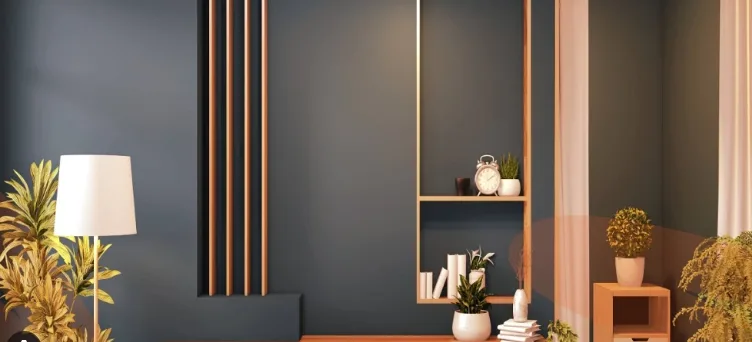
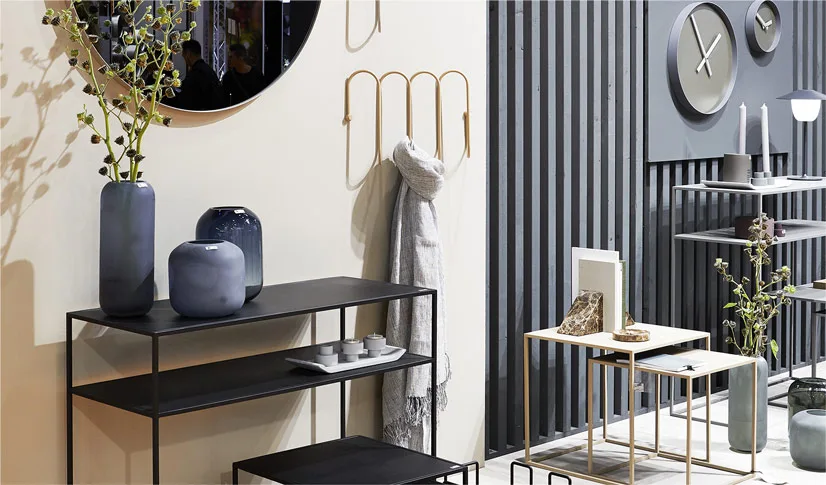
If you prefer a clean, uncluttered space, focus on "quality over quantity." Choose a few statement pieces with clean lines and neutral colors. Think monochromatic ceramic vases, abstract metal sculptures, or a single large piece of wall art.
Bohemian Style
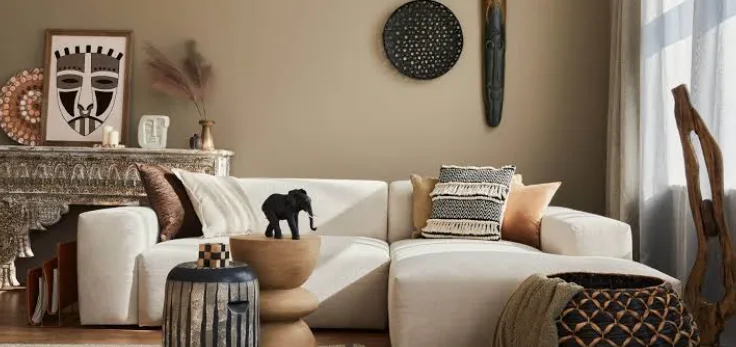
Boho style is all about warmth and eclecticism. Look for accessories that feature natural materials, vibrant patterns, and handcrafted details. Woven wall hangings, macramé planters, and colorful Persian-style rugs are staples of this aesthetic.
Modern Industrial
For an industrial look, lean into raw materials like metal, concrete, and reclaimed wood. Look for Edison bulb lighting, oversized wall clocks with exposed gears, and distressed leather accents.
The Impact of Lighting as an Accessory
Lighting is often overlooked, yet it is arguably the most important accessory in any home. It dictates the mood and functionality of a space. When choosing lighting accessories, consider the following:
- Ambient Lighting: Use floor lamps or pendant lights to provide general illumination.
- Task Lighting: Desk lamps or under-cabinet lights are essential for areas where you work or cook.
- Accent Lighting: Use small table lamps or wall sconces to highlight artwork or specific architectural features.
Shopping Guide: Tips for Success
When you are ready to start shopping for home accessories, keep these expert strategies in mind to ensure you make smart purchases:
1. Measure Your Space
Before buying a rug, a floor mirror, or a piece of wall art, measure the intended area. A rug that is too small can make a room feel disjointed, while art that is too large can overpower a wall.
2. Think About Maintenance
Consider how much time you are willing to spend cleaning your accessories. Delicate glass items require frequent dusting, while fabric items may need occasional dry cleaning. If you have pets or children, prioritize durable materials.
3. Start with a Neutral Base
If you are unsure about your style, start with neutral accessories in classic shapes. You can always add pops of color through inexpensive items like pillow covers or fresh flowers, which are easy to swap out as trends change.
4. Invest in Versatility
Look for items that can move between rooms. A beautiful wooden tray can work on a coffee table, a nightstand, or even in a bathroom to organize toiletries. Versatile pieces offer better long-term value.
Current Trends in Home Accessories
While trends should never dictate your entire design, they can provide inspiration for refreshing your home. Current movements in home accessories include:
- Biophilic Design: Bringing the outdoors in with indoor plants, stone textures, and natural wood elements.
- Sustainable Materials: A rise in popularity for recycled glass, bamboo, organic cotton, and ethically sourced ceramics.
- Curved Shapes: Moving away from sharp, boxy edges toward organic, rounded forms in mirrors, vases, and furniture accessories.
- Warm Metals: Brass and gold finishes are replacing cool silver and chrome, adding a sense of luxury and warmth to interiors.
Common Mistakes to Avoid
Even with the best intentions, it is easy to fall into common traps. Avoid these pitfalls to keep your home looking professional:
- Over-accessorizing: Clutter is the enemy of style. If every surface is covered in objects, the room will feel chaotic. Leave some "negative space" to let the room breathe.
- Ignoring Scale: Placing tiny accessories on a massive wall or a huge sculpture on a tiny side table creates visual imbalance.
- Matching Everything: Don't try to make everything "match." Instead, aim for a cohesive look where colors and styles "coordinate" rather than being identical.
- Neglecting Lighting: Buying beautiful accessories but failing to light them properly means they will go unnoticed in the evening.
Conclusion: Curating Your Personal Sanctuary
Home accessories are the jewelry of your interior design. They provide the finishing touches that turn a functional space into a personal sanctuary. By focusing on the balance of texture, scale, and color, and by choosing items that genuinely resonate with your personality, you can create a home that feels both stylish and welcoming.
Remember, your home should be an evolving project. Don't feel the need to buy everything at once. Take your time, collect pieces that tell a story, and enjoy the process of making your space truly your own. Whether you are a fan of minimalist chic or bohemian maximalism, the right accessories are the key to unlocking your home's full potential.