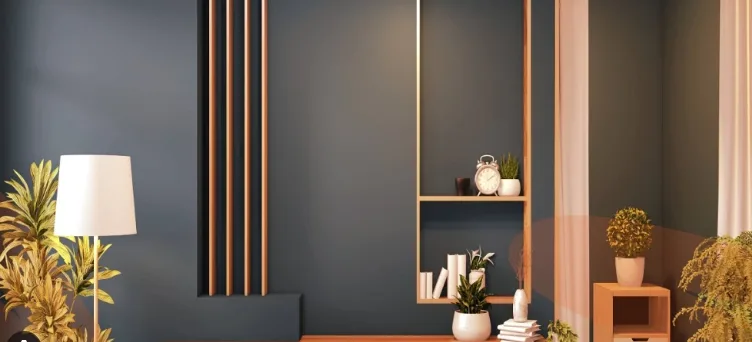
The Ultimate Guide to Choosing Home Accessories: Elevating Your Living Space
Your home is more than just a place to live; it is a reflection of your personality, your tastes, and your lifestyle. While furniture provides the foundation for any room, it is the home accessories that breathe life into the space. From textiles and lighting to decorative accents and functional storage, these finishing touches define the mood and aesthetic of your interior design.
Choosing the right home accessories can feel overwhelming given the sheer variety of options available. This comprehensive guide will walk you through the essential principles of selecting home decor, identifying current trends, and curating a space that feels both personal and polished.
Understanding the Role of Home Accessories
Before diving into specific items, it is important to understand why accessories matter. They serve three primary functions in interior design:
- Aesthetic Cohesion: Accessories help tie different elements of a room together, such as connecting the color of your curtains to your sofa cushions.
- Personal Expression: They are the easiest way to inject your personality into a home, whether through art, travel souvenirs, or specific color palettes.
- Functionality: Many home accessories, such as trays, baskets, and mirrors, serve a practical purpose while enhancing the visual appeal of the room.
The Core Categories of Home Accessories
To master the art of decorating, it helps to categorize your accessories. By balancing these categories, you can ensure your room feels complete without looking cluttered.
1. Textiles and Soft Furnishings
Textiles are the "soft" elements that make a house feel like a home. They add texture, warmth, and comfort. Think throw blankets, decorative pillows, area rugs, and curtains. When choosing these, consider the season—lighter linens for summer and heavier wools or velvets for winter.
2. Wall Decor and Art
Bare walls can make a room feel unfinished. Art, mirrors, and gallery walls serve as focal points. A large-scale piece of art can dictate the color palette of an entire room, while strategically placed mirrors can make small spaces feel significantly larger and brighter.
3. Lighting Accents
While overhead lighting is functional, accent lighting creates atmosphere. Table lamps, floor lamps, and even decorative lanterns provide "pools" of light that make a room feel cozy and inviting during the evening hours.
4. Decorative Objects and Sculptures
These are the items that showcase your personal style. Vases, sculptures, coffee table books, and figurines are the "jewelry" of your room. They should be curated carefully—quality over quantity is the golden rule here.
Quick Reference: How to Style Different Rooms
| Room | Key Accessories | Styling Tip |
|---|---|---|
| Living Room | Throw pillows, rugs, coffee table books | Group items in odd numbers (the rule of three) for visual interest. |
| Bedroom | Soft lighting, layered bedding, mirrors | Focus on textures to create a calming, sanctuary-like environment. |
| Kitchen | Decorative trays, herb pots, jars | Keep functional items beautiful—use glass jars or ceramic containers. |
| Bathroom | Plants, candles, matching organizers | Use plants to add life and freshness to typically sterile spaces. |
How to Choose the Right Accessories: A Step-by-Step Approach
When you are ready to start shopping or rearranging, follow this step-by-step process to avoid common design mistakes.
Step 1: Define Your Style Palette
Before buying anything, define the "vibe" of your home. Are you leaning towards minimalist Scandinavian, cozy Bohemian, sleek Industrial, or timeless Traditional? Sticking to a cohesive style prevents your home from looking like a chaotic collection of unrelated items.
Step 2: Consider Scale and Proportion
One of the most common mistakes is choosing accessories that are too small for the space. A tiny vase on a massive dining table will look lost. Conversely, an oversized floor lamp in a cramped corner will overwhelm the room. Always measure your surfaces and walls before purchasing decor.
Step 3: Focus on Texture and Material
A room filled with only one type of material (like all wood or all metal) can feel flat. To create depth, mix materials. If you have a leather sofa, add a soft knit throw. If you have a glass coffee table, add a rough stone bowl or a wooden tray. Contrast is key to a professional-looking space.
Step 4: The "Rule of Three"
When styling shelves or tables, group items in odd numbers. The human eye finds groups of three, five, or seven more visually appealing and balanced than even numbers. Vary the heights of the items in your group to create a dynamic look.
Current Trends in Home Accessories
While classic decor never goes out of style, keeping an eye on current trends can help you refresh your home with modern touches. Currently, the industry is seeing a shift toward:
- Biophilic Design: Bringing the outdoors in. This includes an abundance of indoor plants, natural stone accents, and organic shapes.
- Sustainable Materials: There is a growing demand for accessories made from recycled glass, reclaimed wood, and ethically sourced fibers like jute and seagrass.
- Warm Neutrals: Moving away from stark white and grey, homeowners are opting for warm earth tones—terracotta, beige, sage green, and muted ochre.
- Curved Lines: From arched mirrors to rounded vases, soft curves are replacing sharp, geometric edges to create a more organic and welcoming feel.
Common Pitfalls to Avoid
Even the most expensive accessories can look cheap if styled incorrectly. Avoid these common traps:
Cluttering Surfaces
The "less is more" philosophy is vital. If every inch of your shelf is covered in trinkets, the space will feel messy rather than curated. Leave some negative space so the eye can rest.
Ignoring Lighting Temperature
Accessories can look completely different under different lighting. Always check the color temperature of your light bulbs. Warm white light (2700K-3000K) is generally better for living areas as it makes accessories look richer and more inviting.
Matching Everything Too Perfectly
Gone are the days of "matching sets." You don't need your lamp, coasters, and picture frames to be from the same collection. In fact, a curated home looks much better when it features a mix of vintage finds, modern pieces, and sentimental objects.
Budgeting for Home Accessories
You don't need a massive budget to transform your home. The beauty of accessories is that they are often the most affordable way to update a space. Consider the "80/20" rule: spend 80% of your budget on high-quality, long-lasting furniture pieces, and 20% on accessories that can be swapped out as trends or your tastes change.
Look for high-impact, low-cost items:
- Paint: While not an accessory, changing the wall color acts as the ultimate backdrop for your decor.
- Pillow Covers: Instead of buying new pillows, simply swap the covers to change the color scheme for a new season.
- Vintage Markets: Unique, one-of-a-kind accessories often hide in thrift stores or flea markets.
Conclusion: Creating a Home That Tells Your Story
Selecting home accessories is an evolving journey. Your home should not be a static showroom, but a living space that grows and changes with you. By focusing on quality, texture, and personal meaning, you can curate a home that feels authentic and welcoming.
Remember that there is no "right" way to decorate your space. The best accessories are the ones that make you feel happy when you walk through the door. Take your time, experiment with different arrangements, and don't be afraid to let your unique personality shine through every corner of your home.