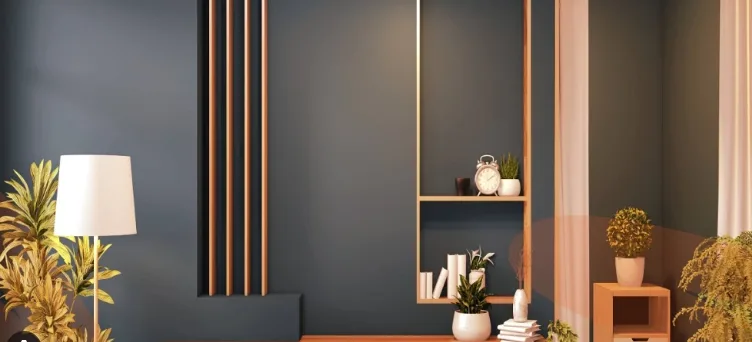
The Ultimate Guide to Choosing Home Accessories: Elevating Your Living Space
Your home is more than just a place to live; it is a reflection of your personality, your tastes, and your lifestyle. While furniture provides the foundation for any room, it is the home accessories that breathe life into the space. From textiles and lighting to decorative accents and wall art, these finishing touches turn a house into a home. However, navigating the world of home accessories can be overwhelming. Without a clear strategy, it is easy to end up with a cluttered, mismatched environment. This guide will help you master the art of selecting home accessories to create a cohesive, stylish, and functional living space.
Understanding the Role of Home Accessories
Home accessories, often referred to as "home decor," encompass the smaller, movable items that add aesthetic value and utility to a room. Unlike structural elements or large furniture pieces, accessories are versatile and relatively easy to swap out, allowing you to refresh your home’s look without a complete renovation.
The primary functions of home accessories include:
- Adding Personality: Showcasing your hobbies, travels, and memories.
- Providing Texture and Depth: Breaking up flat surfaces and adding visual interest.
- Enhancing Functionality: Improving the usability of a space (e.g., storage baskets, desk organizers).
- Creating Mood: Using lighting and color palettes to evoke specific feelings, such as relaxation or energy.
A Strategic Approach to Choosing Accessories
Before you head out to shop, it is crucial to have a plan. Impulse buying often leads to a collection of items that do not harmonize. Follow these steps to ensure your selections are intentional.
1. Define Your Design Style
Are you drawn to the clean lines of Minimalism, the cozy textures of Scandinavian design, or the vibrant, eclectic mix of Bohemian style? Identifying your aesthetic preference acts as a filter, helping you narrow down your choices. If you are unsure, browse interior design platforms and save images that resonate with you. Look for patterns in the colors, materials, and shapes you gravitate toward.
2. The Rule of Three and Balance
In interior design, the "Rule of Three" is a classic principle. Objects grouped in odd numbers, particularly three, are more visually appealing and balanced. When arranging accessories on a coffee table or shelf, vary the heights, shapes, and textures of the items to create dynamic interest rather than a static display.
3. Consider Scale and Proportion
A common mistake is choosing accessories that are too small for the space, which can make a room look cluttered. Conversely, items that are too large can overwhelm the area. Always measure your surfaces and consider the size of your furniture before purchasing. A large statement piece often looks better than several tiny trinkets that create visual noise.
Must-Have Categories for Every Home
To create a balanced home, it is helpful to categorize your accessories. Here is a breakdown of the essential categories to consider when styling your home.
| Category | Purpose | Examples |
|---|---|---|
| Textiles | Add warmth, comfort, and color. | Throw pillows, blankets, rugs, curtains. |
| Lighting | Sets the mood and highlights features. | Table lamps, floor lamps, decorative candles. |
| Wall Decor | Adds personality and fills vertical space. | Art prints, mirrors, wall clocks, tapestries. |
| Natural Elements | Brings life and organic texture indoors. | Potted plants, vases with flowers, stone bowls. |
| Functional Decor | Combines utility with aesthetic appeal. | Storage baskets, decorative trays, bookends. |
Tips for Selecting Specific Accessories
Textiles: The Soft Touch
Textiles are the easiest way to change the "temperature" of a room. In the winter, swap cotton or linen cushion covers for wool or velvet textures. Rugs serve as the anchor for a room; ensure the rug is large enough so that at least the front legs of your furniture sit on it, which helps define the conversation area.
Lighting: The Mood Maker
Never rely solely on overhead lighting. Layering your lighting is the secret to a professional-looking space. Use table lamps to create pools of soft light, floor lamps to illuminate dark corners, and accent lighting to highlight artwork or shelving. Consider the "color temperature" of your bulbs—warm light is generally more inviting for living spaces and bedrooms.
Wall Art and Mirrors
Mirrors are a designer’s secret weapon. They reflect light, making a room feel brighter and larger. Place a mirror opposite a window to maximize natural light. When choosing art, consider the frame style—matching frames create a gallery-like, orderly look, while mixing frames offers a more curated, eclectic vibe.
Trends vs. Timelessness
It is tempting to follow the latest home accessory trends seen on social media. However, balance is key. Trends are great for small, inexpensive items like cushion covers, candles, or seasonal decor. For investment pieces—such as a high-quality mirror, a statement rug, or a piece of art—opt for timeless designs that will transcend passing fads.
A good rule of thumb is the 80/20 rule: 80% of your accessories should be classic, versatile pieces, while 20% can be trendy, bold, or experimental items that reflect the current season.
Maintaining and Refreshing Your Space
The beauty of home accessories is that they are not permanent. To keep your home feeling fresh, try these maintenance tips:
- The "Shop Your Home" Method: Before buying something new, rearrange accessories you already own. Moving a vase from the living room to the bedroom can give it an entirely new context.
- Seasonal Rotation: Pack away heavy, dark-colored accessories in the spring and bring out lighter, brighter pieces. This helps your home feel aligned with the natural cycle of the seasons.
- Declutter Regularly: If an accessory no longer brings you joy or serves a purpose, remove it. A clean, curated space is often more relaxing than one filled with excessive ornaments.
How to Shop Responsibly
When purchasing home accessories, quality often beats quantity. Look for materials that age well, such as solid wood, glass, ceramic, and natural fibers. Avoid plastic-heavy decor if possible, as it often looks cheap and has a shorter lifespan. Consider shopping at local artisan markets, vintage stores, or second-hand shops. These places offer unique, one-of-a-kind items that add a story to your home, rather than generic mass-produced goods.
Conclusion
Choosing home accessories is a journey of self-discovery. By understanding the basics of balance, texture, and scale, you can transform any room into a space that feels uniquely yours. Remember that there is no "perfect" way to style a home; the best accessories are those that make you feel comfortable, inspired, and at peace. Start small, focus on pieces that resonate with your personal style, and enjoy the process of curating a home that reflects the best version of your life.
Whether you are starting from scratch in a new home or looking to refresh a tired living room, these principles will guide you toward making choices that are both beautiful and lasting. Keep your space flexible, stay true to your aesthetic, and don't be afraid to let your personality shine through in every corner of your home.