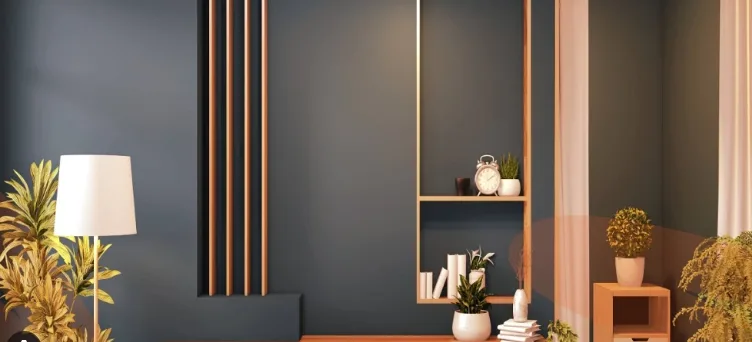
The Ultimate Guide to Choosing Home Accessories: Elevating Your Living Space
Home accessories are the soul of interior design. While furniture provides the functional foundation of a room, accessories are the elements that inject personality, texture, and color into your living space. Whether you are moving into a new home or looking to refresh your current environment, understanding how to curate home accessories is essential for creating a cohesive and inviting atmosphere.
This comprehensive guide explores the art of selecting home accessories, from understanding design principles to identifying quality materials, ensuring you make informed decisions that reflect your unique style.
Understanding the Role of Home Accessories in Interior Design
Before purchasing items, it is important to understand why accessories matter. They serve three primary purposes: functionality, aesthetic enhancement, and personal expression. A well-placed decorative bowl can serve as a catch-all for keys, while a strategically positioned mirror can double the visual size of a room.
When choosing accessories, aim for a balance between "form" and "function." A piece should not only look good but also serve a purpose, whether that purpose is purely visual—like a piece of art—or practical—like a cozy throw blanket.
Essential Categories of Home Accessories
To navigate the vast world of home decor, it helps to categorize accessories. Most interior designers group them into the following types:
- Textiles: Throw pillows, blankets, area rugs, and curtains. These add warmth and softness to a space.
- Wall Decor: Art prints, mirrors, wall hangings, and gallery frames. These define the vertical plane of a room.
- Lighting: Table lamps, floor lamps, and decorative candles. Lighting dictates the mood and atmosphere.
- Decorative Objects: Vases, sculptures, books, and trinkets. These provide the "finishing touches" on shelves and tables.
- Greenery: Indoor plants and floral arrangements. These bring life and organic shapes into the home.
A Step-by-Step Guide to Selecting Accessories
Shopping for home accessories can be overwhelming. Follow this structured approach to ensure your choices are intentional and harmonious.
1. Define Your Style Narrative
Before buying, define the "vibe" of your home. Are you leaning toward Minimalist, Bohemian, Industrial, or Mid-Century Modern? Consistency is key. If your home is strictly minimalist, avoid overly ornate or cluttered accessories. If you prefer a maximalist approach, focus on layering textures and bold colors.
2. Consider the Rule of Three
The "Rule of Three" is a fundamental design principle. When styling a surface like a coffee table or a bookshelf, items grouped in odd numbers—specifically three—tend to be more visually appealing. Vary the heights, shapes, and textures within that group to create depth.
3. Prioritize Texture and Material
A room can feel flat if everything is made of the same material. To create a professional look, mix textures. If you have a sleek leather sofa, add a chunky knit throw blanket and a smooth ceramic vase. The contrast creates visual interest that keeps the eye moving.
Comparison of Common Accessory Materials
Choosing the right material ensures durability and the desired aesthetic. Use this table to understand the pros and cons of popular materials in home accessories:
| Material | Best Used For | Pros | Cons |
|---|---|---|---|
| Natural Wood | Shelving, frames, bowls | Adds warmth and organic feel | Can be prone to scratches/water damage |
| Glass/Acrylic | Vases, coffee tables | Creates an airy, spacious feel | Shows fingerprints and dust easily |
| Metal (Brass/Steel) | Lighting, hardware, sculptures | Durable and adds a modern edge | Can look cold if overused |
| Textiles (Wool/Cotton) | Pillows, rugs, throws | Essential for comfort and coziness | Requires regular cleaning/washing |
Tips for Seasonal Transitions
One of the best ways to keep your home feeling fresh is to rotate your accessories according to the seasons. You don’t need to replace your furniture; simply swap out the small details.
- Spring/Summer: Opt for lighter fabrics like linen and cotton. Incorporate bright, airy colors and fresh flowers or botanical prints. Use glass or metallic accents to reflect natural sunlight.
- Autumn/Winter: Transition to heavier textures like velvet, wool, and faux fur. Shift your color palette to deeper, warmer tones such as terracotta, forest green, or navy. Add ambient lighting with candles and warm-toned lamp bulbs.
Common Mistakes to Avoid When Styling
Even beautiful accessories can look out of place if styled incorrectly. Avoid these common pitfalls:
Over-Cluttering
The "less is more" philosophy is powerful. If you have too many small items on a shelf, they lose their individual impact and just look like "stuff." Leave some negative space so the eye can rest.
Ignoring Scale and Proportion
A tiny painting on a large, empty wall will look lost, while a massive floor lamp in a cramped corner will overwhelm the space. Always measure your area before purchasing large-scale accessories.
Matching Everything Perfectly
Avoid the "catalog look" where every item comes from the same set. A home feels curated and personal when it includes a mix of items collected over time, including vintage finds, personal mementos, and new pieces.
How to Maintain Your Home Accessories
To ensure your home accessories stand the test of time, implement a simple maintenance routine:
- Dust Regularly: Use a microfiber cloth for hard surfaces and a vacuum with an upholstery attachment for textiles.
- Check for Wear: Inspect rugs for fraying edges and candles for uneven burning.
- Rotate and Refresh: Moving an accessory from the living room to the bedroom can make it feel brand new.
- Mind the Sunlight: Direct UV rays can fade fabrics and art over time. Consider UV-protective window films or rotate your decor periodically to avoid uneven fading.
The Importance of Lighting in Home Decor
Lighting is often categorized as a utility, but it is one of the most important "accessories" in your home. It changes how colors are perceived and how textures are highlighted. Instead of relying solely on overhead lighting, incorporate layers:
- Ambient Lighting: The main source of light (ceiling fixtures).
- Task Lighting: Focused light for specific activities (desk lamps, reading lights).
- Accent Lighting: Decorative light used to highlight art or architecture (picture lights, LED strips).
By using warmer light bulbs (2700K–3000K), you instantly make any room feel more like a home, regardless of the other accessories present.
Conclusion: Curating a Home You Love
Choosing home accessories is a journey of self-discovery. There is no "right" or "wrong" when it comes to personal taste, but by following these guidelines—balancing texture, considering scale, and rotating your decor seasonally—you can create a space that feels curated, comfortable, and uniquely yours.
Remember that the best home accessories are those that tell a story. Whether it is a vase picked up during a vacation or a cozy throw blanket passed down through generations, let your home reflect your life. Start small, experiment with different styles, and enjoy the process of turning your house into a true sanctuary.