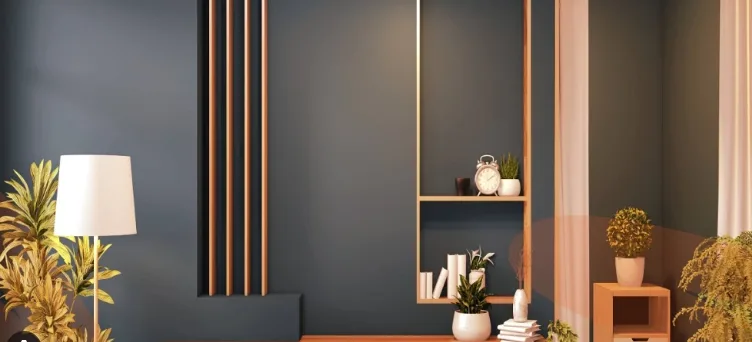
The Ultimate Guide to Choosing Home Accessories: Elevating Your Living Space
Your home is more than just a place to live; it is a reflection of your personality, your tastes, and your lifestyle. While furniture provides the foundation of a room, it is the home accessories that truly breathe life into the space. From textural throw pillows and statement lighting to curated wall art and decorative bowls, accessories are the finishing touches that turn a house into a home.
However, the world of home decor can be overwhelming. With endless styles, materials, and trends, knowing how to select the right pieces can feel like a daunting task. This comprehensive guide will walk you through the essential principles of selecting home accessories to create a cohesive, stylish, and functional environment.
Understanding the Role of Home Accessories
Before you start shopping, it is important to understand why we use accessories. They serve three primary functions in interior design: adding color, introducing texture, and reflecting personality. Accessories allow you to experiment with trends without committing to a full-room renovation. They are the most flexible element of your home’s design, easily swapped out as seasons change or as your personal taste evolves.
Key Principles for Selecting Home Accessories
To avoid a cluttered or mismatched look, you must approach home styling with intention. Follow these core design principles to ensure your space feels intentional and balanced.
1. The Rule of Three
In design, the "Rule of Three" is a fundamental concept. When grouping items, odd numbers—especially three—are more visually appealing to the human eye. Whether you are styling a coffee table or a bookshelf, group items of varying heights, shapes, and textures to create visual interest. This prevents your decor from looking static and creates a sense of movement.
2. Balancing Scale and Proportion
One of the most common mistakes in home styling is using accessories that are too small for the space. A tiny vase on a massive dining table will get lost, while an oversized lamp on a small side table will look chaotic. Always consider the scale of your furniture when choosing accessories. If you have a large, neutral sofa, balance it with large-scale artwork or a oversized floor lamp to maintain harmony.
3. Texture is Everything
A room with only one type of texture—for example, all smooth surfaces—can feel flat and uninviting. To add depth, incorporate a variety of textures. Mix natural materials like wood, stone, and jute with softer elements like velvet, linen, and wool. A chunky knit throw blanket draped over a leather chair instantly adds a layer of comfort and sophistication.
A Quick Reference Guide for Choosing Materials
| Material | Best Used For | Vibe/Aesthetic |
|---|---|---|
| Natural Wood | Bowls, trays, frames | Warm, organic, rustic |
| Metal (Brass/Copper) | Lighting, candle holders | Modern, industrial, luxe |
| Glass/Acrylic | Vases, coffee tables | Minimalist, airy, spacious |
| Ceramic/Stone | Planters, sculptures | Artisanal, earthy, timeless |
Top Trends in Home Accessories for the Modern Home
While trends come and go, some styles have staying power. Currently, the design world is leaning heavily into "Biophilic Design" and "Mindful Minimalism." Here is how you can incorporate these trends into your home:
- Biophilic Elements: Bringing the outdoors in. Look for terracotta pots, stone sculptures, and natural fibers like rattan and seagrass. Plants themselves are the ultimate home accessory, providing life and oxygen to any room.
- Curated Minimalism: Instead of filling every surface, focus on one or two high-quality, sculptural pieces. Think of your accessories as museum-worthy items rather than clutter.
- Warm Neutrals: Move away from stark whites and toward shades of cream, beige, taupe, and terracotta. Accessories in these tones create a soothing, sanctuary-like atmosphere.
Room-by-Room Accessory Strategy
Different rooms have different functional requirements. Here is a guide on how to approach accessories based on the room’s purpose.
The Living Room: The Social Hub
The living room is usually the most decorated space in the home. Focus on textiles and lighting. Use throw pillows to introduce color, and layer rugs to define zones. A well-styled coffee table is a must—incorporate a tray to organize items, a stack of coffee table books for personality, and a small decorative object like a candle or a small sculpture.
The Bedroom: The Sanctuary
Keep accessories in the bedroom minimal to promote relaxation. Focus on soft, tactile items. High-quality bedding, a plush rug, and ambient lighting are your best friends. Avoid "busy" decor that can cause visual stress. Instead, choose calming art and a single, elegant bedside lamp.
The Kitchen and Dining Area: Functional Decor
In these spaces, accessories should be as functional as they are beautiful. Use high-quality wooden cutting boards, decorative ceramic canisters for storage, and a statement fruit bowl. A runner on the dining table adds texture, while a centerpiece—like a vase of fresh flowers—can elevate the entire room.
Common Mistakes to Avoid
Even with the best intentions, it is easy to fall into traps that detract from your home’s aesthetic. Watch out for these pitfalls:
- Over-accessorizing: If every shelf and surface is covered, your eye has nowhere to rest. Leave some "negative space" to let your favorite pieces shine.
- Matching Sets: Avoid buying matching accessory sets (e.g., a matching lamp, clock, and frame set). It makes a room look like a showroom catalog. Instead, curate items that complement each other in style or color palette but aren't identical.
- Ignoring Lighting: Lighting is an accessory, not just a utility. A beautiful floor lamp or a unique table lamp can serve as a sculptural element while providing essential task or ambient lighting.
How to Shop for Home Accessories on a Budget
You do not need to spend a fortune to elevate your home. Here are some strategies for building a beautiful collection without breaking the bank:
- Shop Second-Hand: Thrift stores, estate sales, and online marketplaces are goldmines for unique, vintage accessories that add character to a room.
- Invest in Neutrals: Buy your "staple" accessories (vases, trays, frames) in neutral tones. This ensures they will work with any future changes to your wall color or furniture.
- DIY and Nature: Sometimes the best accessories are free. Gather stones, driftwood, or dried branches to display in a simple glass vase. A well-framed print of your own photography can be more meaningful than mass-produced art.
- Rotate Your Decor: You don’t need to have all your accessories out at once. Store some items away and rotate them seasonally. This keeps your home feeling fresh without needing to buy new things constantly.
Conclusion: Finding Your Personal Style
Ultimately, the most important rule in choosing home accessories is that they should bring you joy. Your home should be a sanctuary that reflects who you are. Don’t feel pressured to follow every trend you see on social media. If you love a specific color, texture, or cultural artifact, find a way to incorporate it into your space.
Start small. Begin by identifying one room that feels "incomplete" and focus on adding just a few intentional pieces. As you become more confident in your choices, you will naturally develop an eye for what works. Remember, home styling is a journey, not a destination. Take your time, experiment, and most importantly, have fun creating a space that feels uniquely yours.