The Ultimate Guide to Choosing Home Accessories: Elevating Your Living Space
Your home is more than just a place to live; it is a reflection of your personality, your history, and your aspirations. While furniture provides the functional foundation of a room, it is the home accessories that breathe life into the space. From textiles and lighting to decorative accents and wall art, the right accessories can transform a sterile room into a warm, inviting sanctuary.
However, the sheer volume of choices in the home accessories market can be overwhelming. Without a clear strategy, it is easy to end up with a cluttered, mismatched space that lacks cohesion. This comprehensive guide will walk you through the essential principles of selecting and styling home accessories to create a home that feels curated, balanced, and uniquely yours.
Understanding the Role of Home Accessories in Interior Design
Home accessories are the "jewelry" of a room. Just as a well-chosen necklace can elevate a simple dress, the right decorative items can elevate a basic room. Their primary purpose is to add texture, color, and personality to a space. Beyond aesthetics, they serve functional roles—think of a stylish tray that corrals your keys, or a plush throw blanket that adds warmth to a reading nook.
To master the art of accessorizing, you must first understand the concept of "layering." You begin with the base (flooring and wall color), add the functional pieces (sofas, tables, beds), and finally, layer in the accessories. If you skip this final step, your home may feel unfinished. If you overdo it, your home may feel chaotic. The goal is to find the perfect equilibrium.
Key Categories of Home Accessories
To organize your shopping and styling efforts, it helps to categorize accessories. Here are the primary pillars of home decor:
- Textiles: Throw pillows, blankets, rugs, and curtains. These provide softness and color.
- Lighting: Table lamps, floor lamps, and decorative candles. Lighting sets the mood and highlights focal points.
- Wall Decor: Mirrors, artwork, gallery walls, and tapestries. These define the vertical space.
- Decorative Objects: Vases, sculptures, books, and trinkets. These provide the "personality" and conversational elements.
- Plants and Botanicals: Natural elements that bring life and organic texture to indoor spaces.
A Quick Reference: Choosing the Right Accessories for Your Room
| Room | Essential Accessories | Styling Tip |
|---|---|---|
| Living Room | Throw pillows, area rugs, side table lamps | Use odd numbers (3 or 5) when grouping items on coffee tables. |
| Bedroom | Textured throws, ambient lighting, mirrors | Focus on comfort and soft, calming textures. |
| Kitchen | Decorative jars, wooden boards, herb pots | Keep functional items within reach; don't clutter work surfaces. |
| Bathroom | Luxury towels, plants, scented candles | Use high-quality accessories to create a spa-like atmosphere. |
Tips for Selecting High-Quality Home Accessories
When shopping for home accessories, quality often trumps quantity. Investing in a few well-made pieces will always look better than filling a room with cheap, disposable items. Here is how to vet your choices:
1. Prioritize Natural Materials
Whenever possible, opt for natural materials like wool, linen, cotton, wood, stone, or metal. Synthetic materials often look flat and can degrade quickly. Natural materials, on the other hand, develop a beautiful patina over time and add authentic texture to your home.
2. Consider the Scale and Proportion
One of the most common mistakes is choosing accessories that are too small for the space. A tiny piece of art on a large wall will look lost, while a massive vase on a small side table will look cluttered. Always measure your surfaces and walls before purchasing. When in doubt, go slightly larger rather than smaller.
3. The Power of Texture
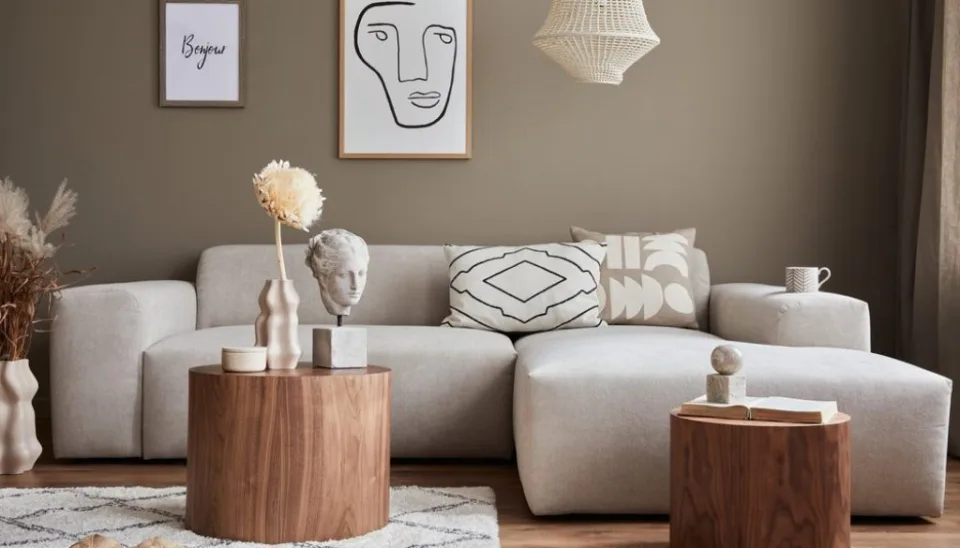
A room can be beautiful but feel "flat" if all the surfaces are smooth. Introduce contrast by mixing textures. If you have a sleek leather sofa, add a chunky knit throw and a velvet pillow. If you have a rustic wooden coffee table, place a smooth ceramic vase on top. Texture adds depth and visual interest without needing to rely solely on color.
Creating Cohesion: How to Avoid a "Cluttered" Look
The biggest challenge in home accessorizing is avoiding the "knick-knack" trap. To keep your home looking sophisticated, follow these professional design principles:
The Rule of Three
When styling shelves or coffee tables, group items in odd numbers, preferably three. This creates a visual triangle that is naturally pleasing to the human eye. Vary the heights and shapes of the items within the group to keep the arrangement dynamic.
Negative Space is Essential
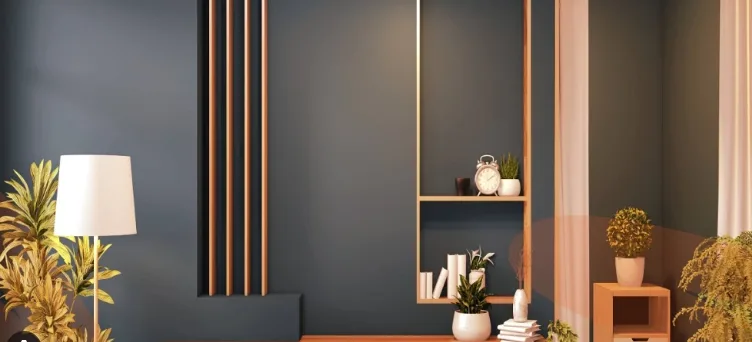
Not every surface needs to be covered. Negative space (or "white space") is the area around an object. By leaving some parts of your shelves or tables empty, you allow the eye to rest and make the pieces you have chosen to display stand out more effectively.
Stick to a Color Palette
You don't need to match everything perfectly, but you should have a cohesive color story. Choose a base palette (e.g., neutrals like beige, grey, or cream) and select 1-2 accent colors. Carry these colors through your accessories—from the throw pillows on the couch to the spine of a book on the shelf—to create a unified look throughout the home.
Trending Styles in Home Accessories
While trends come and go, some styles have stood the test of time by focusing on comfort and intentional living. Here are the current directions in the home accessory market:
Biophilic Design
Bringing the outdoors in remains a top priority. This goes beyond just potted plants. Look for accessories made from organic, raw materials like rattan, jute, terra cotta, and untreated wood. The goal is to create a connection with nature that promotes relaxation.
Sustainable and Ethical Decor
Modern consumers are increasingly mindful of where their goods come from. Look for artisanal pieces, hand-woven textiles, and products made from recycled or upcycled materials. These items often come with a story and add a unique, soulful touch to your home that mass-produced items cannot replicate.
Minimalist Maximalism
This trend sounds contradictory, but it is about being intentional. It involves choosing a few high-impact, statement accessories rather than hundreds of small ones. Think of one large, bold sculpture instead of a dozen small figurines. It is about "less, but better."
A Step-by-Step Guide to Styling a Surface
If you have a console table, bookshelf, or coffee table that feels "off," use this step-by-step process to reset it:
- Clear the Slate: Remove everything from the surface. Clean it thoroughly.
- Define the Focal Point: Choose one large item to be the "hero" of the space (e.g., a large vase, a piece of art, or a sculptural lamp).
- Add Height: Place a tall object to one side to create vertical interest.
- Add Texture: Incorporate a soft element, like a small stack of books or a decorative bowl.
- Edit: Step back. Does it look balanced? If it feels too busy, remove one item. If it feels too empty, add a small, complementary piece.
Maintaining Your Home Accessories
Your accessories require care to maintain their beauty. Dust is the enemy of decor. Make it a habit to dust your shelves and decorative objects weekly. For textiles, follow care labels strictly—dry clean delicate throw blankets and wash cotton covers in cold water to prevent shrinking.
Rotate your accessories seasonally. You don't need to keep the same decor out all year round. In the summer, opt for lighter, breathable fabrics and brighter colors. In the winter, swap them for heavier, warmer textures like wool or velvet. This simple practice keeps your home feeling fresh and exciting throughout the year.
Conclusion: Developing Your Personal Style
Ultimately, the best home accessories are the ones that make you happy. While professional guidelines and design principles provide a framework, your home should be a reflection of your own tastes and experiences. Don't be afraid to display items that have sentimental value, such as travel souvenirs or family heirlooms. When you blend these personal treasures with high-quality, intentional accessories, you create a space that is not only beautiful but also deeply meaningful.
Start small. Focus on one room at a time, and remember that accessorizing is an ongoing process. Your home will evolve as you grow, and your accessories should be allowed to evolve with you. By choosing items that are well-made, meaningful, and balanced, you can create a home that feels like a true sanctuary from the outside world.