The Ultimate Guide to Choosing the Best Shoes for Every Occasion
Finding the perfect pair of shoes is more than just a fashion statement; it is an investment in your comfort, health, and daily productivity. Whether you are hitting the gym, heading to a boardroom meeting, or exploring the city on a weekend getaway, the right footwear can make all the difference. With thousands of styles, materials, and technologies available today, navigating the world of footwear can feel overwhelming. This comprehensive guide will help you understand how to select the best shoes for your needs, current trends, and long-term foot health.
Understanding Your Foot Type: The Foundation of Comfort
Before diving into styles and trends, you must understand your own anatomy. The best shoes for you are not necessarily the most expensive or the most popular; they are the ones that align with your specific foot mechanics.
- Neutral Arch: If you have a normal arch, you can wear a wide variety of shoes. Look for cushioning and support that matches your activity level.
- Flat Feet (Low Arch): People with flat feet often overpronate (the foot rolls inward). You need shoes with motion control and firm midsoles to provide stability.
- High Arches: High arches often lead to underpronation (supination), where the foot rolls outward. Seek out shoes with extra cushioning and flexibility to absorb shock.
Essential Categories: The Best Shoes for Every Lifestyle
To build a versatile wardrobe, you need a rotation of footwear that covers different functional requirements. Here is a breakdown of the essential categories you should consider.
1. Performance Athletic Shoes
Whether you are a marathon runner or a casual walker, athletic shoes are designed for impact protection. Look for breathable mesh uppers and responsive foam technology. For high-intensity interval training (HIIT), prioritize lateral stability, while for long-distance running, prioritize lightweight energy return.
2. Versatile Casual Sneakers
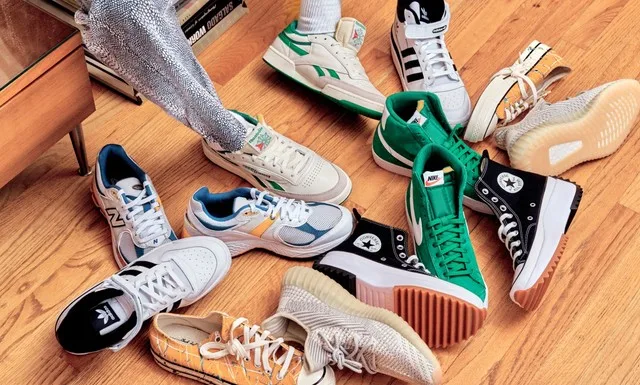
The "lifestyle sneaker" has become the gold standard for modern fashion. The best casual shoes are those that bridge the gap between sportswear and formal wear. Minimalist leather sneakers in white or tan are incredibly versatile, pairing just as well with chinos as they do with denim.
3. Professional Footwear
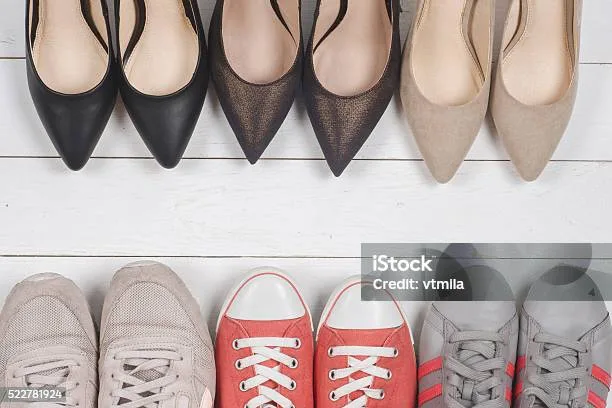
In a professional setting, quality is non-negotiable. Look for genuine leather uppers that age well and durable outsoles. For men, a classic Oxford or a high-quality loafer remains the standard. For women, block heels or pointed-toe flats provide a balance of elegance and ergonomic support.
Comparison Table: Choosing the Right Material
The material of your shoe determines its durability, breathability, and maintenance requirements. Use this table to decide which material best suits your environment.
| Material | Pros | Cons | Best For |
|---|---|---|---|
| Full-Grain Leather | Extremely durable, ages beautifully | Requires regular conditioning | Formal wear, business settings |
| Mesh/Synthetic | Lightweight, highly breathable | Less durable, harder to clean | Running, gym, summer activities |
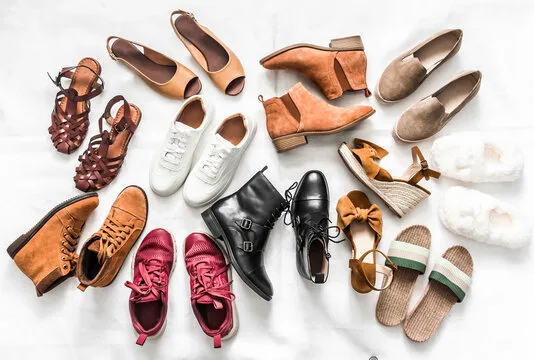
| Suede | Soft, stylish texture | Highly sensitive to water/stains | Casual outings, autumn fashion |
| Canvas | Affordable, machine washable | Offers minimal support | Casual daily wear, vacation |
Current Trends in Footwear
The shoe industry is currently undergoing a shift toward sustainability and "maximalist" comfort. Here are the trends defining the current landscape:
The Rise of Sustainable Footwear
Consumers are increasingly demanding eco-friendly materials. Look for shoes made from recycled ocean plastics, organic cotton, or vegan leather alternatives. These shoes are not only better for the planet but are often engineered with innovative, high-performance materials.
Maximalist Cushioning
The trend of "chunky" soles is here to stay. Beyond aesthetics, this trend focuses on extreme comfort. Thick, foam-heavy midsoles provide superior shock absorption, making them the best choice for people who spend long hours on their feet.
Retro Revival
Vintage aesthetics from the 70s and 90s are dominating the sneaker market. These styles often feature classic silhouettes with modern comfort upgrades, providing a timeless look without sacrificing the technological advancements of the 21st century.
How to Shop for the Best Shoes: Expert Tips
Shopping for shoes requires a bit of strategy to ensure you get the best fit and value for your money. Follow these professional tips:
- Shop in the Afternoon: Your feet naturally swell throughout the day. If you try on shoes in the morning, they may feel too tight by the end of the day. Shop when your feet are at their largest.
- Bring Your Own Socks: Always test shoes while wearing the type of socks you intend to wear with them. A thick wool sock can change the fit of a shoe by a half-size.
- The "Thumb Rule": There should be about a half-inch (roughly the width of your thumb) of space between your longest toe and the front of the shoe.
- Check the Sole: Ensure the shoe is flexible at the ball of the foot but rigid at the heel. A shoe that folds in half completely usually lacks the necessary structural support.
Maintenance: Extending the Life of Your Footwear
The "best" shoe is the one that lasts. Proper care can double the lifespan of your favorite pair.
- Rotation is Key: Never wear the same pair of shoes two days in a row. Shoes need at least 24 hours to dry out from moisture (sweat) to prevent bacterial growth and material degradation.
- Use Shoe Trees: For leather shoes, cedar shoe trees are essential. They absorb moisture and help the shoe maintain its shape, preventing unsightly creases.
- Waterproofing: Use a high-quality protective spray on suede and fabric shoes to create a barrier against rain and dirt.
- Clean Regularly: Wipe down your shoes after each wear. A quick clean prevents dirt from settling into the pores of the material, which is particularly important for leather and knit fabrics.
Conclusion: Investing in Your Steps
Selecting the best shoes is a balance of aesthetic preference, functional necessity, and anatomical awareness. By focusing on quality materials, understanding your specific foot needs, and maintaining your collection properly, you ensure that every step you take is supported and comfortable. Remember that your feet carry you through life; treating them well with the right footwear is one of the most important investments you can make for your overall well-being. Whether you are following the latest trends or sticking to timeless classics, prioritize comfort first, and the style will naturally follow.
As you build your footwear collection, focus on quality over quantity. A few well-chosen pairs that serve specific purposes will always outperform a closet full of poorly made, uncomfortable shoes. Start by assessing your current lifestyle, identifying the gaps in your rotation, and using the tips provided here to find your next perfect pair.