The Ultimate Guide to Choosing the Best Shoes for Every Occasion: A Comprehensive Review
Finding the perfect pair of shoes is more than just a fashion statement; it is a fundamental necessity for comfort, foot health, and daily productivity. Whether you are an avid runner, a corporate professional, or someone who simply values versatile footwear, the market can be overwhelming. With thousands of styles, technologies, and materials available, knowing how to identify the best shoes for your specific needs is a valuable skill.
In this guide, we explore the landscape of footwear, breaking down the best types of shoes for various activities, how to ensure the perfect fit, and the trends shaping the industry today.
Understanding Your Foot Type: The Foundation of Comfort
Before diving into specific models or styles, it is crucial to understand that the "best" shoe is subjective based on your foot anatomy. Not all feet are created equal, and wearing the wrong type of shoe can lead to long-term issues like plantar fasciitis, bunions, or chronic back pain.
The Three Primary Arch Types
- Low Arches (Flat Feet): These feet tend to roll inward (overpronation). Look for shoes with motion control and high stability features.
- Neutral Arches: Feet that land on the outside of the heel and roll inward slightly to absorb shock. These individuals can wear a wide variety of shoes but should focus on cushioning.
- High Arches: These feet often roll outward (supination). The best shoes for this type provide extra cushioning to compensate for the lack of natural shock absorption.
Top Categories of Footwear: Which One Do You Need?
To navigate the world of footwear, it is helpful to categorize shoes by their primary function. Here is a breakdown of the best categories to consider for a well-rounded wardrobe.
1. Best Athletic and Running Shoes
Running shoes are engineered for impact. The best models in this category prioritize midsole foam technology, breathability, and lightweight construction. When shopping for athletic shoes, look for "energy return" features that help propel you forward while minimizing joint stress.
2. Best Casual Sneakers for Everyday Wear
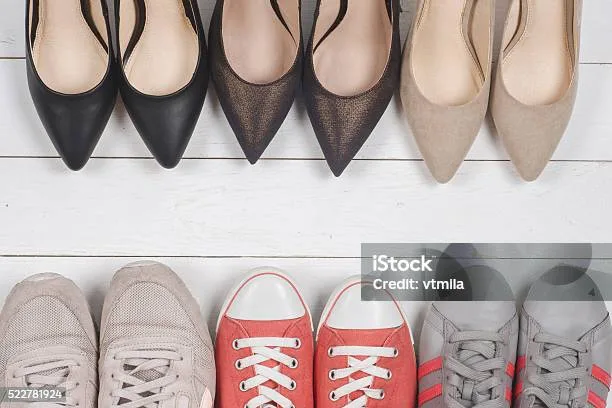
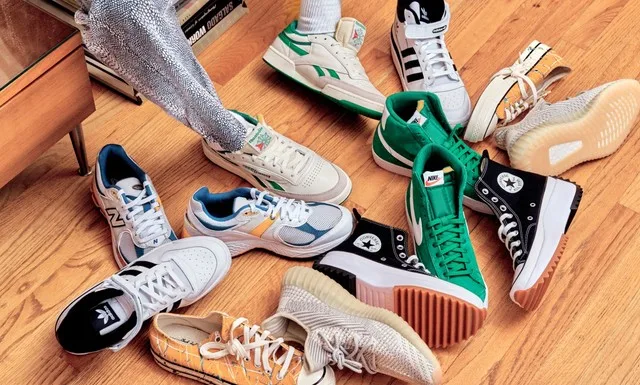
Casual sneakers bridge the gap between comfort and style. The best casual shoes utilize durable outsoles and versatile designs that can transition from a morning coffee run to a casual office setting. Leather, suede, and high-quality canvas remain the gold standards for durability.
3. Best Formal and Professional Footwear
Professional shoes—such as Oxfords, loafers, or block-heel pumps—should not sacrifice comfort for aesthetics. The best formal shoes feature high-quality leather uppers that mold to the foot over time and cushioned insoles that allow for all-day wear without fatigue.
Comparison Table: Choosing the Right Shoe for the Activity
| Activity | Key Feature to Look For | Best Material | Primary Benefit |
|---|---|---|---|
| Running | Cushioning & Support | Engineered Mesh | Joint protection |
| Office/Formal | Durability & Style | Full-grain Leather | Professional appearance |
| Hiking | Traction & Ankle Support | Waterproof Synthetic | Stability on uneven terrain |
| Casual/Lifestyle | Versatility & Comfort | Canvas or Suede | Ease of styling |
How to Identify High-Quality Construction
Regardless of the style, the quality of a shoe is determined by how it is made. As a savvy consumer, you should inspect specific elements before making a purchase.
The Outsole and Traction
The outsole is the bottom of the shoe that makes contact with the ground. For athletic shoes, look for rubber compounds that offer high grip. For formal shoes, a leather sole is classic, but a rubber-inlaid sole offers better longevity and slip resistance.
The Insole and Midsole
The midsole is where the magic happens. Modern foam technology, such as EVA or TPU-based foams, provides the best balance of comfort and durability. Always check if the insole is removable, which is a major plus if you require custom orthotics.
Upper Materials and Breathability
A shoe's upper determines how it fits and breathes. Synthetic meshes are best for high-intensity movement because they allow for maximum airflow. Conversely, natural materials like leather or wool offer better climate control and odor resistance for daily wear.
Current Trends in Footwear
The footwear industry is constantly evolving. Staying informed about current trends can help you make a purchase that feels modern and relevant.
- Sustainable Footwear: Many manufacturers are shifting toward recycled plastics, organic cotton, and bio-based foams. Choosing sustainable shoes is no longer a compromise on quality.
- The "Chunky" Aesthetic: Maximalist silhouettes with oversized soles remain popular, offering excellent comfort due to the increased surface area and cushioning.
- Hybrid Designs: We are seeing a rise in "athleisure" footwear—shoes that look like dress shoes but perform like sneakers. This is ideal for modern professionals who prioritize comfort.
Pro Tips for Buying the Best Shoes Online
Shopping for shoes online can be tricky due to sizing variations between manufacturers. Use these expert tips to reduce the likelihood of returns:
- Measure Your Feet in the Afternoon: Your feet naturally swell throughout the day. Measuring them in the evening ensures you get a size that will be comfortable even after a long day of walking.
- Check the "Last" Shape: A shoe's "last" is the mold it is built around. If you have wide feet, look for brands that explicitly offer "wide" or "EE" widths rather than just sizing up.
- Read Reviews for Sizing Advice: Look for comments that mention if a shoe "runs large" or "runs small." This is often more accurate than the official size chart.
- Check the Return Policy: Always ensure the retailer offers free or easy returns. Trying shoes on in your own home environment is the best way to ensure they fit your lifestyle.
Maintaining Your Footwear for Longevity
Once you have invested in the best shoes for your needs, proper maintenance is essential to extend their life. A high-quality pair of shoes can last years if cared for correctly.
Routine Care Tips
- Use Shoe Trees: For leather shoes, cedar shoe trees absorb moisture and maintain the shape of the shoe, preventing deep creases.
- Rotate Your Shoes: Never wear the same pair two days in a row. Giving your shoes 24 hours to "rest" allows the materials to dry out and return to their original shape.
- Clean Regularly: Use a soft brush for suede and a damp cloth for leather. For athletic shoes, remove the laces and insoles to wash them separately if the material allows.
Final Thoughts: Quality Over Quantity
When it comes to footwear, the "best" approach is to curate a collection of high-quality staples rather than accumulating a large volume of inexpensive, poorly constructed shoes. A well-chosen pair of shoes will protect your joints, improve your posture, and provide a boost of confidence with every step.
By understanding your unique foot needs, prioritizing quality materials, and following a consistent maintenance routine, you can ensure that your feet remain comfortable and stylish for years to come. Whether you are searching for the perfect running shoe or a reliable work boot, keep these principles in mind to make the best decision for your personal journey.