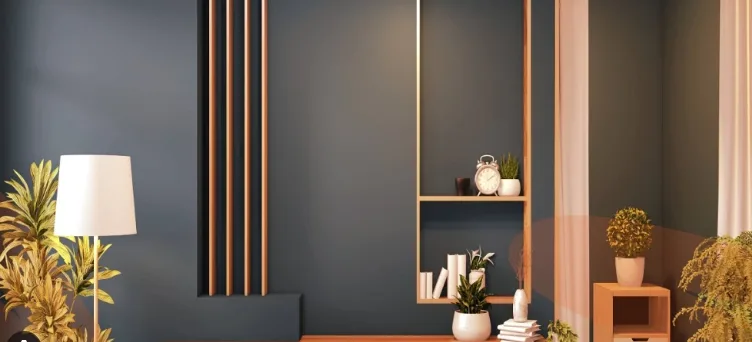
The Ultimate Guide to Choosing the Perfect Home Accessories
Your home is more than just a structure; it's a sanctuary, a reflection of your personality, and a space where memories are made. While furniture forms the foundation of any room, it's the carefully curated home accessories that truly breathe life into your living spaces, transforming them from functional areas into expressions of style and comfort. From decorative accents that spark joy to practical items that enhance everyday living, the world of home accessories is vast and exciting. This comprehensive guide will walk you through everything you need to know to select the perfect home accessories that align with your aesthetic, meet your needs, and elevate your home into a haven of personal expression.
Understanding the Power of Home Accessories
Home accessories are the finishing touches that complete a room. They are the elements that add personality, texture, color, and warmth. Think of them as the jewelry for your home. Without them, a room can feel stark and unfinished. With the right accessories, even the simplest space can become a visually appealing and inviting environment.
The impact of home accessories extends beyond aesthetics. They can also:
- Enhance Functionality: Many accessories serve a practical purpose, such as storage solutions, lighting, or comfort-enhancing items like throws and cushions.
- Define Your Style: The accessories you choose are a direct reflection of your personal taste, whether it's minimalist, bohemian, modern, traditional, or eclectic.
- Create Ambiance: Lighting, scents, and decorative elements can significantly influence the mood and atmosphere of a room.
- Add Texture and Depth: Mixing different materials, patterns, and textures through accessories can make a space feel richer and more dynamic.
- Tell a Story: Personal items, travel souvenirs, and artwork can add a narrative element to your home, making it feel more personal and meaningful.
Key Categories of Home Accessories
The term "home accessories" encompasses a wide array of items. To navigate this diverse landscape, it's helpful to break them down into key categories:
Decorative Accents
These are items primarily chosen for their aesthetic appeal. They are the statement pieces that draw the eye and add personality.
- Vases and Planters: Whether holding fresh flowers or greenery, or standing alone as sculptural pieces, vases and planters add life and color.
- Sculptures and Figurines: Small artistic pieces can add a touch of sophistication or whimsy to shelves, tables, or mantels.
- Picture Frames: Displaying cherished photos or artwork is a fundamental way to personalize your space.
- Candles and Candle Holders: Beyond their scent and light, candles and their holders can be significant decorative elements.
- Decorative Bowls and Trays: These are both functional for holding small items and beautiful as standalone decor.
- Wall Art: This includes paintings, prints, tapestries, and other forms of wall adornment that define the character of a room.
Textiles and Soft Furnishings
These accessories add comfort, warmth, and texture to your living spaces.
- Cushions and Throw Pillows: Instantly update the look and feel of sofas, chairs, and beds. They offer comfort and a chance to play with color and pattern.
- Throws and Blankets: Perfect for adding a cozy layer to your sofa or bed, throws also introduce texture and color.
- Rugs and Mats: Area rugs can define zones within a room, add warmth underfoot, and introduce pattern and color. Doormats are essential for welcoming guests and keeping dirt at bay.
- Curtains and Blinds: While functional for light control and privacy, they also play a significant role in the overall aesthetic of a room.
Lighting Accessories
Lighting is crucial for setting the mood and functionality of a space. Beyond overhead fixtures, accessories play a vital role.
- Table Lamps and Floor Lamps: Provide task lighting, ambient light, and act as decorative elements.
- Lamp Shades: A simple way to update existing lamps and alter the light quality and style.
- String Lights and Fairy Lights: Add a magical and cozy ambiance, especially in bedrooms or outdoor spaces.
Functional and Storage Accessories
These items combine practicality with style, helping to keep your home organized and efficient.
- Storage Baskets and Boxes: Ideal for decluttering and adding a decorative touch to shelves or floors.
- Trays: Useful for organizing remotes, keys, or serving drinks, and can be decorative in themselves.
- Coasters: Protect surfaces while adding a small decorative detail.
- Bookends: Keep your bookshelves tidy and add a stylish element.
- Organizers: For drawers, desks, or vanity areas, these help maintain order.
Home Fragrance and Scented Accessories
Engage another sense to enhance your living environment.
- Scented Candles: Offer both visual appeal and pleasant aromas.
- Diffusers (Reed and Electric): Provide a continuous fragrance.
- Potpourri: A traditional way to add subtle scent and visual texture.
How to Choose Home Accessories: A Step-by-Step Approach
Selecting the right home accessories can feel overwhelming, but a structured approach can make the process enjoyable and effective.
Step 1: Define Your Style and Color Palette
Before you buy anything, take stock of your existing decor and your personal style preferences. What colors do you gravitate towards? What is the overall aesthetic of your home (e.g., modern, minimalist, rustic, eclectic)?
- Consider Your Existing Furniture: Your accessories should complement, not clash with, your larger pieces.
- Identify Your Core Colors: Decide on a primary color palette for your room. Accessories are a great way to introduce accent colors.
- Think About Texture: Mixing smooth, rough, soft, and hard textures adds visual interest.
Step 2: Assess Your Needs and Functionality
While aesthetics are important, accessories should also serve a purpose. Think about how you use each space and what items would enhance its functionality.
- Living Room: Consider cushions for comfort, a decorative tray for remotes, and perhaps a floor lamp for reading.
- Bedroom: Think about soft throws, decorative pillows, and bedside lamps.
- Kitchen: Practical items like stylish canisters, utensil holders, or a decorative fruit bowl.
- Entryway: A welcoming rug, a decorative bowl for keys, and perhaps a mirror.
Step 3: Start with the Largest Impact Items
When introducing new accessories, begin with items that will have the most visual impact. This could be a large piece of wall art, a statement rug, or a cluster of decorative vases.
Step 4: Layer and Balance
Don't be afraid to layer accessories. For example, place a decorative tray on a coffee table, then add a candle and a small plant within the tray. Balance is key; avoid overcrowding one area while leaving another bare.
- Rule of Odds: Grouping items in odd numbers (three or five) often creates a more visually pleasing arrangement than even numbers.
- Vary Heights: Combine items of different heights to create visual interest.
Step 5: Consider Scale and Proportion
The size of your accessories should be in proportion to the space and the furniture they are placed with.
- Too Small: Tiny accessories can get lost in a large room or on a substantial piece of furniture.
- Too Large: Overly large accessories can overwhelm a small space or a delicate piece of furniture.
Step 6: Don't Forget Lighting
Lighting accessories are crucial for setting the mood. Consider how different types of lamps can create pools of light and enhance the ambiance of your rooms.
Step 7: Personalize with Meaningful Items
The most beautiful accessories are often those that have personal significance. Displaying souvenirs from travels, heirlooms, or items that hold special memories makes your home uniquely yours.
Current Trends in Home Accessories
The world of home decor is constantly evolving. Staying abreast of current trends can inspire your choices and help you create a stylish and contemporary home.
Sustainable and Eco-Friendly Materials
There's a growing emphasis on accessories made from recycled, upcycled, or sustainably sourced materials. This includes items made from bamboo, cork, reclaimed wood, and recycled glass or metal.
Natural Textures and Organic Forms
Bringing the outdoors in remains a strong trend. Accessories featuring natural materials like rattan, jute, linen, and wood, along with organic shapes, create a calming and grounded atmosphere.
Bold Colors and Patterns
While neutrals remain popular, there's a resurgence of bold colors and eye-catching patterns in textiles, art, and decorative objects. Think jewel tones, vibrant prints, and abstract designs.
Textural Play
Mixing and layering different textures is a key trend. Think chunky knits, boucle fabrics, ribbed ceramics, and natural wood grains.
Biophilic Design Elements
This trend focuses on connecting with nature. Accessories that incorporate plants, natural light, and natural materials are highly sought after.
Statement Lighting
Lighting fixtures and accessories are becoming focal points. Unique lampshades, sculptural floor lamps, and artistic pendant lights are popular choices.
Vintage and Retro Influences
Incorporating vintage finds or retro-inspired pieces adds character and a sense of history to a home. This can range from antique vases to mid-century modern inspired decor.
Tips for Styling Your Home Accessories
Once you've chosen your accessories, the art of styling them can elevate your space further.
Create Vignettes
A vignette is a small, artfully arranged grouping of decorative objects. They are perfect for coffee tables, side tables, shelves, and mantels. Aim for a mix of items with varying heights, textures, and forms.
Embrace Negative Space
Don't feel the need to fill every available surface. White space (or negative space) allows your chosen accessories to stand out and prevents a room from feeling cluttered.
Group Similar Items
If you have a collection of similar items, such as ceramic vases or decorative bowls, group them together for a stronger visual impact.
Consider the "Rule of Three"
As mentioned earlier, arranging items in odd numbers, particularly three, often creates a more aesthetically pleasing composition.
Think About Flow
Ensure your accessories don't impede the flow of movement within a room. Avoid placing bulky items in high-traffic areas.
Don't Be Afraid to Experiment
Styling is an ongoing process. Don't be afraid to rearrange your accessories until you achieve a look you love. What works one day might not work the next.
A Quick Guide to Accessory Materials
The material of your home accessories significantly impacts their look, feel, and durability. Here's a quick rundown:
| Material | Characteristics | Best For |
|---|---|---|
| Ceramics & Porcelain | Versatile, durable, wide range of finishes (glossy, matte), can be painted or glazed. | Vases, planters, decorative objects, tableware. |
| Glass | Can be clear, colored, textured, or frosted. Offers a sense of lightness and elegance. | Vases, candle holders, decorative bowls, lighting elements. |
| Metal (Brass, Copper, Iron, Steel) | Adds a touch of sophistication or industrial chic. Can be polished, brushed, or patinated. | Sculptures, candle holders, trays, frames, lighting fixtures. |
| Wood | Warm, natural, and versatile. Can be polished, distressed, or left natural. | Bowls, trays, frames, sculptures, decorative boxes. |
| Natural Fibers (Rattan, Jute, Wicker, Bamboo) | Earthy, textured, and lightweight. Creates a bohemian or coastal feel. | Baskets, trays, planters, decorative screens. |
| Textiles (Cotton, Linen, Wool, Velvet) | Adds softness, color, and pattern. Crucial for comfort and layering. | Cushions, throws, rugs, curtains. |
Common Mistakes to Avoid When Buying Home Accessories
While personal taste is paramount, being aware of common pitfalls can help you make more informed purchasing decisions.
- Over-Accessorizing: Too many items can make a space feel cluttered and chaotic, diminishing the impact of individual pieces.
- Under-Accessorizing: A space that lacks accessories can feel bare, unfinished, and impersonal.
- Ignoring Scale: Buying accessories that are too large or too small for the space or furniture they are intended for.
- Clashing Styles: Introducing accessories that are completely at odds with your existing decor without a clear intention.
- Forgetting Functionality: Buying purely decorative items when a functional accessory would be more beneficial.
- Not Considering Lighting: Relying solely on overhead lighting and neglecting the role of decorative lamps and accent lighting.
- Buying Everything at Once: Decorating is a journey. Building your collection of accessories over time allows for more thoughtful choices and a more curated look.
Conclusion: Creating Your Personal Oasis
Home accessories are the soul of your living space. They are the elements that transform a house into a home, infusing it with your personality, style, and comfort. By understanding the power of these items, exploring the diverse categories available, and following a thoughtful selection process, you can curate a collection that not only looks beautiful but also enhances your daily life. Embrace the trends, experiment with styling, and most importantly, choose pieces that bring you joy and make your home a true reflection of yourself. With careful consideration and a touch of creativity, you can transform any room into a personal oasis that you'll love to live in.


