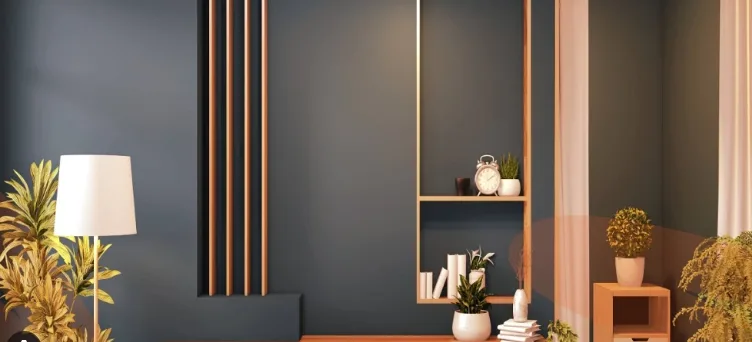
The Ultimate Guide to Choosing the Perfect Home Accessories
Your home is more than just a structure; it's a sanctuary, a reflection of your personality, and a space where memories are made. While furniture forms the backbone of any room, it's the home accessories that truly breathe life into your living spaces, infusing them with character, style, and comfort. From the subtle elegance of decorative accents to the functional beauty of lighting and textiles, home accessories are the essential elements that transform a house into a home. This comprehensive guide will walk you through the process of selecting the perfect home accessories, ensuring your spaces are not only aesthetically pleasing but also deeply personal and inviting.
Understanding the Role of Home Accessories
Before diving into the specifics of choosing accessories, it's crucial to understand their multifaceted role. Home accessories are not mere afterthoughts; they serve several vital functions:
- Enhancing Aesthetics: Accessories add color, texture, pattern, and visual interest to a room, breaking up the monotony of large furniture pieces and creating a cohesive look.
- Expressing Personality: Your choice of accessories speaks volumes about your tastes, hobbies, and experiences. They are opportunities to showcase your individuality.
- Improving Functionality: Many accessories, such as lighting, storage solutions, and decorative trays, serve practical purposes that enhance the usability of your space.
- Creating Ambiance: The right accessories can dramatically alter the mood of a room, from cozy and intimate to bright and energetic.
- Completing a Design Scheme: Accessories tie together the overall design of a room, bridging gaps between furniture, colors, and styles.
Key Categories of Home Accessories
The world of home accessories is vast and varied. To navigate it effectively, it's helpful to break it down into key categories:
1. Decorative Accents
These are the pieces that add personality and visual appeal without necessarily serving a primary functional purpose. They are the finishing touches that make a space feel curated and complete.
- Vases and Planters: Whether holding fresh flowers, artificial greenery, or standing alone as sculptural pieces, vases and planters add life and color. Consider materials like ceramic, glass, metal, or terracotta to match your decor.
- Sculptures and Figurines: These can range from abstract art pieces to charming animal figurines, adding a focal point and a touch of whimsy or sophistication.
- Picture Frames: Displaying cherished photos is a fundamental way to personalize your home. Frames come in endless styles, from minimalist to ornate, and materials like wood, metal, and acrylic.
- Candles and Candle Holders: Beyond their ambient lighting, candles add warmth and fragrance. Candle holders themselves can be decorative statement pieces in various materials and designs.
- Decorative Trays: Perfect for organizing essentials on coffee tables, ottomans, or dressers, trays also serve as stylish platforms for smaller decorative items.
- Orbs and Decorative Balls: These simple yet effective accents can add a touch of elegance and fill empty spaces on shelves or tabletops.
2. Textiles and Soft Furnishings
Textiles are masters of comfort and texture, instantly softening a space and adding layers of warmth and visual interest.
- Throw Pillows: The easiest way to update a sofa or armchair, throw pillows offer endless possibilities for color, pattern, and texture. Mix and match different sizes, shapes, and fabrics for a dynamic look.
- Throws and Blankets: Draped over a sofa or folded at the foot of a bed, throws add coziness and a touch of luxury. Materials like wool, cashmere, cotton, and faux fur offer varying levels of warmth and texture.
- Rugs: A well-chosen rug can anchor a room, define a seating area, and add significant warmth and color. Consider the material, pile height, pattern, and size to suit your space and lifestyle.
- Curtains and Drapes: Beyond their functional role in light control and privacy, curtains add softness, color, and pattern to windows, significantly impacting the overall ambiance.
- Table Linens: Tablecloths, placemats, and runners can elevate your dining experience, adding color, pattern, and a sense of occasion to your table.
3. Lighting
Lighting is arguably one of the most impactful home accessories. It not only illuminates your space but also sets the mood and highlights architectural features and decor.
- Table Lamps: Versatile and essential, table lamps provide task lighting and ambient light, adding a decorative element to side tables, consoles, and nightstands.
- Floor Lamps: Ideal for reading nooks, living areas, or corners needing illumination, floor lamps offer both practical light and a stylish design statement.
- Pendant Lights and Chandeliers: These are often statement pieces that draw the eye and become focal points in a room, particularly in dining rooms, kitchens, and entryways.
- Wall Sconces: Providing ambient or accent lighting, wall sconces can add a sophisticated touch to hallways, living rooms, and bedrooms.
- Accent Lighting: This includes spotlights or picture lights designed to highlight specific artworks or architectural features.
4. Storage and Organization
Stylish storage solutions are crucial for maintaining a clutter-free and serene environment.
- Baskets: From woven natural fibers to metal or fabric, baskets are perfect for storing blankets, magazines, toys, or even as decorative planters.
- Decorative Boxes: These can be used to hide away small items like remotes, keys, or stationery while adding a decorative touch to shelves and surfaces.
- Bookends: Functional and decorative, bookends keep your bookshelves tidy and add a touch of personality to your literary displays.
- Wall Shelving: Beyond their storage utility, shelves can be styled with decorative items, books, and plants to create visual interest.
5. Wall Art and Mirrors
These elements define the character of your walls and can dramatically influence the perception of space.
- Wall Art: This encompasses paintings, prints, photographs, tapestries, and more. It's a direct expression of your style and can be a powerful conversation starter.
- Mirrors: Mirrors are not just for checking your reflection; they are excellent for reflecting light, making a room feel larger and brighter, and adding a decorative element. Consider different frame styles and shapes.
Tips for Choosing Home Accessories
Selecting the right accessories involves a thoughtful approach that balances aesthetics, functionality, and personal preference. Here are some essential tips:
1. Define Your Style
Before you start shopping, have a clear understanding of your preferred interior design style. Are you drawn to modern minimalism, cozy bohemian, classic traditional, or something else? Your accessories should align with your overarching style to create a harmonious look.
2. Consider the Color Palette
Your home accessories should complement your existing color scheme. You can use them to introduce accent colors, add pops of vibrancy, or reinforce the dominant hues in the room. Think about how different colors evoke different moods and emotions.
3. Pay Attention to Scale and Proportion
The size of your accessories matters. A tiny vase on a large coffee table will look lost, while an oversized sculpture in a small room can feel overwhelming. Ensure your accessories are in proportion to the furniture and the overall space.
4. Layer Textures
Mixing textures is key to creating a rich and inviting space. Combine smooth finishes with rough ones, soft fabrics with hard materials. For example, a velvet pillow on a linen sofa, or a ceramic vase with a wooden tray.
5. Don't Forget Functionality
While beauty is important, many accessories also serve practical purposes. Choose items that not only look good but also solve a problem or enhance the usability of your space. A stylish basket for storing blankets, or a well-placed task lamp for reading.
6. Create Focal Points
Use accessories to draw the eye and create points of interest. A striking piece of wall art, a unique lamp, or a collection of decorative objects on a shelf can become a focal point, guiding the viewer's attention.
7. Balance and Symmetry (or Asymmetry)
Consider how you arrange your accessories. While perfect symmetry can feel formal, a balanced arrangement that is not strictly symmetrical can feel more natural and inviting. Grouping items in odd numbers (e.g., three or five) often creates a more pleasing visual composition.
8. Personalize Your Space
The most compelling home accessories are those that tell a story or hold sentimental value. Incorporate items from your travels, family heirlooms, or pieces that reflect your hobbies and passions. This is what truly makes a house a home.
9. Think About Lighting
As mentioned, lighting is crucial. Ensure you have a layered lighting plan with a mix of ambient, task, and accent lighting. The style of your lamps and fixtures should also complement your decor.
10. Accessorize in Stages
You don't need to accessorize your entire home overnight. Start with key pieces in your main living areas and gradually add more as you discover items you love. This allows for a more organic and curated feel.
Current Trends in Home Accessories
Staying aware of current trends can inspire your choices, but always remember to adapt them to your personal style rather than blindly following them.
| Trend | Description | Examples |
|---|---|---|
| Biophilic Design | Bringing the outdoors in through natural elements, plants, and organic shapes. | Ceramic planters with natural textures, botanical prints, wooden accents, earthy color palettes. |
| Sustainable Materials | Focus on eco-friendly, recycled, or natural materials. | Rattan baskets, recycled glass vases, organic cotton throws, reclaimed wood decorative items. |
| Textural Play | Emphasis on tactile surfaces and varied textures to create depth and interest. | Bouclé pillows, chunky knit blankets, ribbed ceramics, natural stone accents. |
| Maximalism & Bold Statements | Embracing vibrant colors, intricate patterns, and statement pieces. | Gallery walls with eclectic art, colorful patterned rugs, ornate mirrors, jewel-toned decorative objects. |
| Curated Vintage & Antiques | Incorporating unique, pre-loved items for character and history. | Antique mirrors, vintage pottery, retro lighting fixtures, inherited decorative pieces. |
| Statement Lighting | Light fixtures that act as sculptural art pieces. | Oversized chandeliers, uniquely shaped pendant lights, artistic floor lamps. |
A Room-by-Room Approach to Accessorizing
Let's consider how to accessorize specific areas of your home:
Living Room
This is often the heart of the home, so it's a prime area for impactful accessories. Focus on creating a comfortable and inviting atmosphere.
- Key Accessories: Throw pillows, blankets, a statement rug, decorative trays on coffee tables, lamps for ambient and task lighting, wall art, and perhaps a decorative bowl or sculpture.
- Tips: Layer textures with pillows and throws. Use a rug to define the seating area. Create a vignette on your coffee table with a tray, a candle, and a small plant.
Bedroom
The bedroom should be a sanctuary for rest and relaxation. Accessories here should contribute to a serene and calming environment.
- Key Accessories: Soft bedding, decorative pillows, a cozy throw, bedside lamps, a mirror, perhaps a small piece of art, and a decorative tray on a dresser.
- Tips: Focus on soft, natural materials for bedding and throws. Ensure bedside lamps provide sufficient light for reading. Keep clutter to a minimum.
Dining Room
The dining room is where you entertain and share meals. Accessories can elevate the dining experience.
- Key Accessories: Table linens (tablecloth, runner, placemats), decorative centerpiece (vase with flowers, candle arrangement), pendant light or chandelier, perhaps wall art.
- Tips: A beautiful centerpiece can transform your table. Ensure your overhead lighting is dimmable to create ambiance.
Kitchen
Even functional spaces like the kitchen can benefit from thoughtful accessories.
- Key Accessories: Decorative canisters, a stylish fruit bowl, utensil holders, a small plant, kitchen towels, and perhaps a piece of art or a mirror.
- Tips: Use accessories to add color and personality. Keep countertops as clear as possible for functionality.
Entryway
The entryway is the first impression guests have of your home.
- Key Accessories: A console table, a mirror, a decorative bowl for keys, a lamp, a small rug, and perhaps a plant or a piece of art.
- Tips: Make it functional with a place for keys and mail. A mirror can make the space feel larger and brighter.
Where to Find Home Accessories
The beauty of home accessories is their availability across a wide range of retailers and price points.
- Department Stores: Offer a broad selection of styles and brands, often with seasonal sales.
- Home Decor Boutiques: Provide curated collections, often with unique and artisanal items.
- Online Retailers: Offer unparalleled variety, convenience, and often competitive pricing. Look for sites specializing in home decor.
- Antique Stores and Flea Markets: Excellent sources for unique, vintage, and one-of-a-kind pieces that add character.
- DIY and Craft Stores: For those who enjoy a hands-on approach, these stores offer materials for creating your own accessories.
Conclusion
Home accessories are the unsung heroes of interior design. They are the details that transform a functional space into a comfortable, stylish, and deeply personal sanctuary. By understanding the role of different accessory categories, considering key selection tips, staying mindful of trends, and approaching each room with intention, you can curate a home that truly reflects your personality and brings you joy. Don't be afraid to experiment, mix and match, and most importantly, choose pieces that you love. Your home is your canvas, and home accessories are your vibrant paints and exquisite brushes.