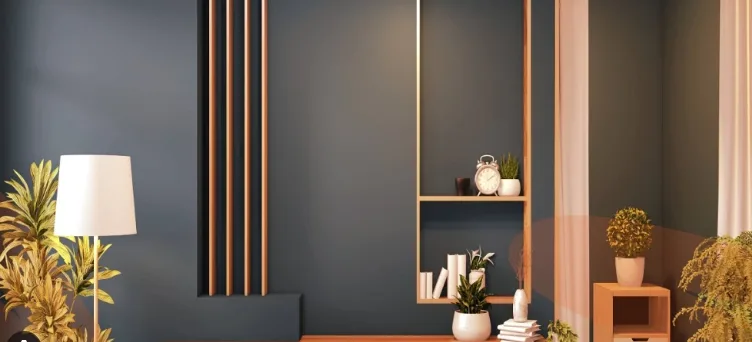
The Ultimate Guide to Choosing the Perfect Home Accessories
Your home is more than just a structure; it's a sanctuary, a reflection of your personality, and a space where memories are made. While the foundational elements like furniture and paint colors set the stage, it's the carefully chosen home accessories that truly breathe life into a room, infusing it with character, comfort, and style. From decorative accents to functional pieces, home accessories are the finishing touches that transform a house into a home. This comprehensive guide will walk you through the art and science of selecting the ideal home accessories to elevate your living space, covering everything from understanding your style to making informed purchasing decisions.
Understanding Your Personal Style: The Foundation of Great Accessory Choices
Before diving into the vast world of home accessories, the most crucial step is to understand your personal aesthetic. What kind of atmosphere do you want to create? What colors, textures, and moods resonate with you? Identifying your style will act as a compass, guiding your choices and ensuring a cohesive and harmonious look throughout your home.
Exploring Popular Home Decor Styles
Familiarizing yourself with common interior design styles can help you pinpoint your preferences. Here are a few widely recognized styles:
- Modern: Characterized by clean lines, minimalist design, and a neutral color palette often accented with bold pops of color. Materials like metal, glass, and polished wood are common.
- Traditional: Emphasizes classic elegance, rich textures, and ornate details. Think dark wood furniture, intricate patterns, and a sense of timeless sophistication.
- Bohemian (Boho): A free-spirited and eclectic style that embraces vibrant colors, layered textures, natural elements, and global influences. It's about expressing individuality and comfort.
- Farmhouse: Blends rustic charm with modern comfort. Features natural materials like wood and metal, distressed finishes, neutral colors, and a cozy, inviting feel.
- Scandinavian: Focuses on simplicity, functionality, and natural light. Characterized by light wood tones, white and gray color schemes, cozy textiles, and uncluttered spaces.
- Industrial: Inspired by factories and urban lofts, this style incorporates raw materials like brick, concrete, exposed pipes, and metal accents. It has a utilitarian yet stylish appeal.
- Coastal: Evokes the relaxed atmosphere of the seaside with light, airy colors, natural textures like rattan and jute, and nautical-inspired motifs.
Creating a Mood Board
A mood board is an invaluable tool for visualizing your style. It can be a physical collage of magazine clippings, fabric swatches, and paint samples, or a digital board created using platforms like Pinterest or Canva. Include images of furniture, color palettes, textures, and accessories that appeal to you. This visual representation will help you identify recurring themes and refine your stylistic direction.
Key Categories of Home Accessories and Their Impact
Home accessories can be broadly categorized by their function and aesthetic contribution. Understanding these categories will help you strategically fill your space with pieces that are both beautiful and purposeful.
Decorative Accessories: The Art of Embellishment
These are the pieces that add personality, color, and visual interest to your rooms. They are often chosen for their aesthetic appeal rather than strict functionality.
- Wall Art: Paintings, prints, photographs, tapestries, and decorative mirrors can transform blank walls into focal points. Consider the size, color, and subject matter to complement your room's theme.
- Sculptures and Figurines: Small decorative objects can add a touch of artistry and intrigue. These can range from abstract pieces to animal figurines or vintage finds.
- Vases and Planters: Even when empty, decorative vases add an elegant touch. Filled with fresh flowers or greenery, they bring life and color into a space. Planters are essential for housing your beloved plants, adding a natural element.
- Candles and Candle Holders: Beyond their functional purpose of providing light and ambiance, decorative candles and their holders can be striking accents. Consider scented candles for an olfactory dimension.
- Decorative Trays: These are versatile accessories that can be used on coffee tables, ottomans, or consoles to corral smaller items like remotes, coasters, or decorative objects, while also adding a stylish touch.
Textile Accessories: Adding Warmth and Texture
Textiles are fundamental to creating a cozy and inviting atmosphere. They add softness, color, and pattern, making a room feel more lived-in and comfortable.
- Throw Pillows: A quick and easy way to update the look of a sofa, armchair, or bed. Mix and match patterns, textures, and sizes for a dynamic arrangement.
- Throws and Blankets: Drape them over furniture for an instant touch of warmth and comfort. They are perfect for chilly evenings and add a layer of visual softness.
- Rugs: Area rugs define spaces, add warmth underfoot, and introduce color and pattern. They can anchor a seating area, delineate a dining space, or add coziness to a bedroom.
- Curtains and Drapes: Beyond their functional role in controlling light and privacy, curtains add a significant design element, influencing the mood and style of a room.
Functional Accessories: Where Style Meets Utility
These accessories serve a practical purpose while also contributing to the overall aesthetic of your home.
- Lighting: Table lamps, floor lamps, and accent lighting are crucial for setting the mood and providing task-specific illumination. The design of the lamp itself is a decorative element.
- Storage Solutions: Decorative baskets, boxes, and shelves offer stylish ways to organize clutter. They help maintain a tidy space without sacrificing visual appeal.
- Coasters and Placemats: Protect your furniture while adding a subtle decorative touch. They come in a wide range of materials and designs to match your decor.
- Clocks: A functional necessity that can also be a statement piece. Wall clocks and mantel clocks come in various styles, from minimalist to ornate.
- Mirrors: Beyond their decorative function, mirrors can make a space feel larger and brighter by reflecting light.
Tips for Selecting and Arranging Home Accessories
Once you have a grasp of your style and the types of accessories available, the next step is to strategically select and arrange them to create a cohesive and appealing look.
The Rule of Threes: Creating Visual Harmony
The "rule of threes" is a classic design principle that suggests arranging objects in groups of three. This creates a visually pleasing and balanced composition. For example, on a coffee table, you might group a decorative tray, a small plant, and a stack of books.
Varying Height and Scale
To avoid a monotonous display, vary the heights and scales of your accessories. Combine tall items like floor lamps or tall vases with shorter objects like candles or small sculptures. This creates visual interest and depth.
Color Coordination and Contrast
Use color to tie your accessories together. You can either maintain a consistent color palette throughout your accessories for a unified look or use contrasting colors to create focal points and add energy to a room. Consider the existing colors in your furniture and walls when selecting accessories.
Texture Play: Adding Depth and Interest
Mixing different textures is key to creating a rich and inviting space. Combine smooth surfaces like glass or metal with rougher textures like natural wood, woven baskets, or plush fabrics. This adds tactile and visual dimension.
Functionality First, Then Form
While aesthetics are important, don't overlook the practical needs of your space. Ensure that your accessories serve a purpose, whether it's providing light, storage, or comfort. For example, a beautiful vase is lovely, but if you have a large empty wall, a decorative mirror might offer both style and a sense of spaciousness.
Don't Overdo It: The Art of Restraint
It's easy to get carried away with accessories, but less can often be more. Clutter can make a space feel chaotic and overwhelming. Choose pieces that you truly love and that contribute to the overall design. Regularly declutter and reassess your accessories to keep your space feeling fresh and intentional.
Consider the Flow of the Room
Think about how people move through your space. Ensure that accessories don't obstruct pathways or create tripping hazards. Place larger items like rugs and floor lamps in a way that complements the natural flow of traffic.
Where to Find Quality Home Accessories
The market for home accessories is vast, offering options for every budget and style. Here's a look at where you can find great pieces:
Online Retailers: Convenience and Variety
Online platforms offer an unparalleled selection of home accessories. You can easily compare prices, read reviews, and have items delivered directly to your door. Popular online destinations include:
- General home goods websites
- Specialty online boutiques
- Marketplaces for handmade and vintage items
Brick-and-Mortar Stores: Tactile Experience
Visiting physical stores allows you to see and feel the quality of accessories firsthand. This is particularly important for textiles and items where texture and material are crucial.
- Department stores
- Home decor specialty shops
- Local artisan markets and craft fairs
- Antique shops and vintage stores
DIY and Upcycling: Unique and Personal Touches
Don't underestimate the power of creating your own accessories or giving old items a new life. This can result in truly unique and meaningful pieces that reflect your personality.
- Painting old frames or vases
- Creating custom throw pillow covers
- Repurposing found objects into decorative items
Making a Sustainable Choice: Eco-Friendly Home Accessories
As environmental consciousness grows, so does the availability of sustainable home accessories. Choosing eco-friendly options not only benefits the planet but can also add a unique charm to your home.
Materials to Look For:
- Recycled Materials: Accessories made from recycled glass, metal, plastic, or paper.
- Natural and Renewable Resources: Items crafted from bamboo, cork, jute, organic cotton, or sustainably sourced wood.
- Upcycled and Vintage Finds: Giving pre-loved items a new home reduces waste and promotes a circular economy.
- Locally Sourced Products: Supporting local artisans and manufacturers reduces transportation emissions.
Certifications to Consider:
Look for certifications that indicate sustainable practices, such as FSC (Forest Stewardship Council) for wood products or GOTS (Global Organic Textile Standard) for textiles.
The Long-Term Value of Thoughtful Accessory Selection
Investing time and effort into choosing the right home accessories pays dividends in the long run. Well-chosen pieces are not only aesthetically pleasing but also durable and timeless, reducing the need for frequent replacements. They contribute to a sense of comfort, personal expression, and overall well-being within your living space. By following the guidance in this comprehensive guide, you'll be well-equipped to transform your house into a stylish, functional, and deeply personal sanctuary.

