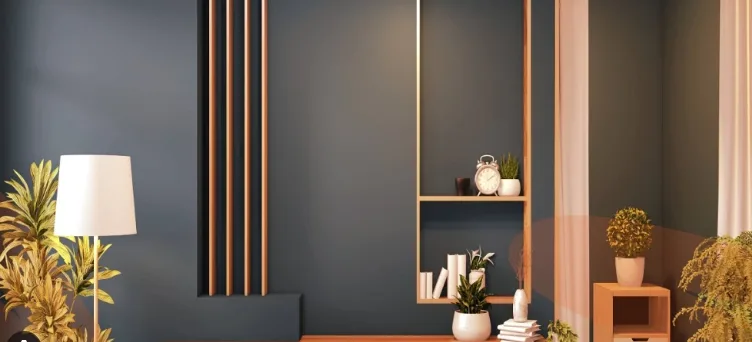
The Ultimate Guide to Choosing the Perfect Home Accessories
Transforming your living space from ordinary to extraordinary is often achieved through the thoughtful selection of home accessories. These elements, while sometimes overlooked, play a crucial role in defining your home's style, enhancing its functionality, and creating an atmosphere that reflects your personality. This comprehensive guide will walk you through the process of choosing the perfect home accessories, covering everything from understanding your needs to staying on top of current trends.
Understanding the Role of Home Accessories
Home accessories are more than just decorative items; they are the finishing touches that bring a room to life. They can:
- Express Personal Style: From minimalist chic to bohemian flair, accessories are your canvas to showcase your unique taste.
- Enhance Functionality: Think about how a stylish tray can organize your coffee table or how ambient lighting can set a mood.
- Add Color and Texture: These elements introduce visual interest and depth, preventing a space from feeling flat or one-dimensional.
- Create a Sense of Cohesion: By repeating certain colors, materials, or styles, accessories can tie different elements of a room together.
- Define Zones: In open-plan living, accessories like rugs or strategically placed furniture can subtly delineate different areas.
Key Categories of Home Accessories
To navigate the vast world of home accessories, it's helpful to break them down into key categories. Understanding these will help you identify what you need and what you love.
Textiles: The Soft Touch
Textiles are incredibly versatile and can dramatically alter the feel of a room.
- Cushions and Throws: These are perhaps the most accessible accessories. They add comfort, color, and pattern to sofas, armchairs, and beds. Consider different textures like velvet, linen, or chunky knits for added depth.
- Rugs: A well-chosen rug can anchor a space, define a seating area, and introduce warmth and texture underfoot. They come in various materials, patterns, and sizes, from plush shags to durable natural fibers.
- Curtains and Blinds: Beyond their practical function of controlling light and privacy, curtains and blinds are significant decorative elements. They can add drama, softness, or a clean, modern look.
- Table Linens: Placemats, tablecloths, and runners can elevate your dining experience and add a touch of elegance or casual charm.
Decorative Objects: The Personality Pieces
These are the items that truly speak to your personality and interests.
- Vases and Planters: Whether filled with fresh flowers, dried botanicals, or left empty, vases and planters add life and organic shapes to shelves, tables, and floors.
- Sculptures and Figurines: Small decorative sculptures can add an artistic touch and serve as conversation starters.
- Picture Frames and Artwork: Displaying cherished photos or curated art pieces is a fundamental way to personalize your space. Mix and match frame styles and sizes for a dynamic gallery wall.
- Candles and Candle Holders: Beyond their warm glow, candles can add a sense of luxury and ambiance. Decorative candle holders themselves can be statement pieces.
- Mirrors: Mirrors are functional and decorative. They can make a space feel larger and brighter by reflecting light and creating an illusion of depth.
Functional Accessories: Style Meets Utility
These accessories serve a purpose while also contributing to the aesthetic.
- Trays: Perfect for corralling remotes on a coffee table, organizing toiletries on a vanity, or serving drinks, trays are both practical and stylish.
- Baskets: Ideal for storing blankets, magazines, toys, or even as decorative planters, baskets add a natural, textured element.
- Storage Boxes and Containers: Keep clutter at bay with attractive storage solutions that complement your decor.
- Clocks: A stylish clock can be a focal point on a wall, combining timekeeping with artistic design.
- Lighting Fixtures: While larger than typical accessories, decorative lamps, pendant lights, and string lights can dramatically impact a room's mood and style.
How to Choose Home Accessories: A Step-by-Step Approach
Selecting the right accessories requires a blend of planning and intuition. Follow these steps to make informed choices.
Step 1: Define Your Style and Color Palette
Before you start browsing, have a clear idea of the overall aesthetic you want to achieve. Are you drawn to:
- Modern: Clean lines, minimalist design, neutral colors, metallic accents.
- Traditional: Classic patterns, rich colors, ornate details, natural materials.
- Bohemian: Eclectic mix of patterns, textures, vibrant colors, natural elements, vintage finds.
- Scandinavian: Simplicity, functionality, light colors, natural wood, cozy textiles.
- Industrial: Raw materials like metal and wood, exposed elements, neutral tones.
Once your style is defined, establish a color palette. This doesn't mean every item has to be the same color, but rather that you have a cohesive set of primary, secondary, and accent colors that work well together.
Step 2: Assess Your Space and Needs
Consider the room you are decorating:
- Size and Scale: Oversized accessories can overwhelm a small room, while tiny items can get lost in a large space. Pay attention to the proportions.
- Existing Furniture and Decor: Your accessories should complement, not clash with, your existing pieces.
- Functionality: What does the room need? A living room might need more decorative cushions and a stylish rug, while a home office might benefit from functional desk accessories and organized storage.
- Light: How much natural light does the room receive? Lighter accessories can brighten darker spaces, while darker or more reflective items can add depth.
Step 3: Start with the Essentials
If you're new to accessorizing or on a budget, begin with the most impactful items:
- Textiles: A few well-chosen cushions and a throw can make a sofa feel instantly more inviting.
- Rugs: A rug can define a seating area and add significant warmth and style.
- Wall Decor: Artwork or a statement mirror can transform a blank wall.
Step 4: Layer and Add Detail
Once the essentials are in place, you can start layering with smaller decorative objects:
- Groupings: Arrange items in odd numbers (e.g., three vases) for a more visually appealing composition.
- Vary Heights and Textures: Combine tall items with short ones, and mix smooth surfaces with rough textures for interest.
- Personal Touches: Incorporate items that have meaning to you, like souvenirs from travels or family heirlooms.
Step 5: Don't Forget Lighting
Lighting is a powerful accessory. Consider:
- Ambient Lighting: General illumination from ceiling fixtures.
- Task Lighting: Focused light for activities like reading (e.g., a floor lamp by an armchair).
- Accent Lighting: To highlight specific features, like artwork or architectural details.
- Decorative Lamps: Table lamps and floor lamps with stylish bases and shades can be as much decorative pieces as light sources.
Popular Home Accessory Trends
Staying current with trends can inspire your choices, but remember to adapt them to your personal style.
| Trend | Description | Examples |
|---|---|---|
| Biophilic Design | Bringing the outdoors in through natural materials, plants, and earthy tones. | Ceramic planters, natural wood accents, botanical prints, woven baskets. |
| Sustainable and Eco-Friendly Materials | A growing preference for accessories made from recycled, upcycled, or sustainably sourced materials. | Recycled glass vases, bamboo storage, organic cotton throws, cork coasters. |
| Textural Play | Emphasis on tactile surfaces and layering different textures for a rich, inviting feel. | Chunky knit cushions, boucle upholstery, ribbed glass, natural stone elements. |
| Maximalism and Bold Patterns | A move away from strict minimalism, embracing vibrant colors, eclectic patterns, and statement pieces. | Bold floral or geometric patterned rugs, richly colored velvet cushions, curated collections of art and objects. |
| Warm Neutrals and Earth Tones | A shift towards warmer, more inviting neutral palettes. | Terracotta, sandy beige, muted greens, warm grays, and ochre tones in textiles and ceramics. |
| Statement Lighting | Lighting fixtures that are not just functional but also artistic focal points. | Oversized pendant lights, sculptural floor lamps, unique chandelier designs. |
Tips for Buying Home Accessories
Make smart purchasing decisions with these helpful tips:
- Invest in Quality: For key pieces like rugs or statement decorative items, it's often worth investing in higher quality that will last longer and look better.
- Mix High and Low: Combine a few splurge items with more affordable finds to create a balanced and budget-friendly collection.
- Shop Secondhand and Vintage: Flea markets, antique shops, and online marketplaces can be treasure troves for unique and characterful accessories.
- Consider Multi-Functionality: Opt for pieces that serve more than one purpose, such as an ottoman with storage or a decorative tray that can also be used for serving.
- Don't Buy Everything at Once: Decorating is a process. Let your space evolve naturally, and add accessories as you discover them and as your needs change.
- Measure Twice, Buy Once: Especially for items like rugs or large decorative objects, ensure they will fit your space and scale correctly.
- Read Reviews: For online purchases, always check customer reviews for insights into quality, color accuracy, and durability.
Creating Cohesion with Accessories
The key to a well-accessorized home is cohesion. Here's how to achieve it:
Repeating Elements
Look for opportunities to repeat colors, materials, or shapes throughout a room or even across different rooms.
- Color Harmony: If your accent color is teal, use it in cushions, a vase, and perhaps a small decorative object.
- Material Consistency: If you have a lot of wood furniture, introduce wooden accessories like bowls or picture frames.
- Shape Echoes: If your sofa has curved lines, consider round cushions or a circular mirror.
The Rule of Three
This is a common design principle where grouping items in threes creates a visually pleasing and balanced arrangement. This can apply to anything from a trio of vases on a mantelpiece to three decorative pillows on a sofa.
Focal Points
Use accessories to create focal points in a room. A large piece of art, a dramatic floor lamp, or a collection of striking decorative objects can draw the eye and give the room a sense of purpose.
Conclusion
Home accessories are the unsung heroes of interior design. They offer endless possibilities to express your individuality, enhance the comfort and functionality of your living space, and create an environment that truly feels like home. By understanding the different categories, following a thoughtful selection process, and staying mindful of current trends and timeless principles, you can curate a collection of accessories that will elevate your home for years to come. Remember that decorating is a journey, so enjoy the process of discovering and choosing pieces that bring you joy and reflect your unique style.

