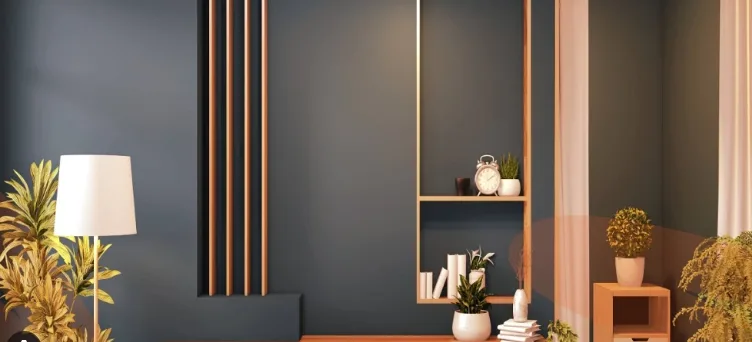
The Ultimate Guide to Choosing the Perfect Home Accessories
Transforming your living space from ordinary to extraordinary often hinges on the thoughtful selection and placement of home accessories. These are the elements that inject personality, style, and comfort into your home, reflecting your unique taste and creating an inviting atmosphere for both yourself and your guests. Far from being mere afterthoughts, home accessories are the crucial finishing touches that elevate a house into a true home. This comprehensive guide will navigate you through the diverse world of home accessories, offering insights into how to choose pieces that not only enhance your decor but also serve practical purposes, all while staying abreast of current trends.
Understanding the Role of Home Accessories
Before diving into the specifics of selection, it's essential to grasp the fundamental purpose of home accessories. They are not just decorative items; they are integral components of interior design that:
- Express Personal Style: Accessories are your canvas to showcase your personality, interests, and aesthetic preferences. Whether you lean towards minimalist chic, bohemian warmth, or classic elegance, your chosen pieces will tell your story.
- Add Color and Texture: They provide an accessible way to introduce vibrant colors, subtle hues, and diverse textures into a room, preventing monochromatic schemes from feeling flat or uninspired.
- Create Focal Points: A well-chosen accessory can draw the eye, becoming a conversation starter and a central element that anchors the room's design.
- Enhance Functionality: Many accessories, such as throws, cushions, storage solutions, and lighting, offer practical benefits that improve the comfort and usability of your space.
- Define Zones: In open-plan living, accessories like rugs, screens, or strategically placed furniture can help delineate different functional areas within a larger space.
- Inject Personality and Warmth: From cherished family photos to handcrafted items, accessories imbue a space with a sense of history, emotion, and lived-in comfort.
Key Categories of Home Accessories
The realm of home accessories is vast and varied. To make informed choices, it's helpful to categorize them:
Decorative Accessories
These are primarily chosen for their aesthetic appeal and ability to enhance the visual charm of a room.
- Vases and Planters: Whether holding fresh blooms or serving as standalone sculptural pieces, vases and planters add life and color. Consider materials like ceramic, glass, metal, or even natural elements like terracotta.
- Sculptures and Figurines: From abstract art pieces to animal motifs, these add a touch of artistry and personality.
- Wall Art: This includes paintings, prints, photographs, tapestries, and decorative mirrors. Mirrors, in particular, can enhance light and create the illusion of more space.
- Candles and Candle Holders: They provide ambiance, warmth, and can be a beautiful decorative element even when unlit.
- Decorative Trays: Perfect for corralling smaller items on coffee tables, ottomans, or consoles, they add a layer of organization and style.
- Orbs and Decorative Balls: These simple yet effective items can fill empty spaces on shelves or tabletops and add a subtle touch of texture and color.
Textile Accessories
Soft furnishings that add comfort, color, and texture.
- Cushions and Throw Pillows: The easiest way to update a sofa or armchair, offering endless possibilities in terms of color, pattern, and fabric.
- Throws and Blankets: Drape them over sofas, beds, or chairs for an instant cozy feel and a pop of color or texture.
- Rugs: Area rugs define spaces, add warmth underfoot, and can introduce bold patterns or subtle textures to a room.
- Curtains and Drapes: Beyond their functional role in light control and privacy, curtains are significant decorative elements that can frame windows and add softness.
Functional Accessories
These items blend utility with style, serving a practical purpose while also contributing to the overall aesthetic.
- Lighting: Table lamps, floor lamps, and accent lighting can dramatically alter the mood and functionality of a room.
- Storage Solutions: Decorative baskets, boxes, shelving units, and cabinets help keep clutter at bay while adding to the decor.
- Clocks: A stylish clock can be a statement piece for your wall or mantelpiece.
- Coasters and Placemats: Practical items that protect surfaces and can add a touch of color or pattern to dining and living areas.
- Bookends: Keep your bookshelves tidy and add a decorative touch.
Choosing Home Accessories: A Step-by-Step Approach
Selecting the right accessories requires a thoughtful process. Here’s a guide to help you:
1. Define Your Style and Aesthetic
Before you buy anything, take stock of your existing decor. What is the overall style of your home? Are you drawn to modern, minimalist, traditional, bohemian, farmhouse, or eclectic designs? Understanding your preferred aesthetic will guide your choices and ensure a cohesive look.
- Look for Inspiration: Browse interior design magazines, Pinterest, Instagram, and home decor websites. Save images of rooms and accessories that resonate with you.
- Identify Recurring Themes: Notice common colors, textures, materials, and shapes in your inspiration photos.
- Consider Your Existing Furniture: Accessories should complement, not clash with, your larger furniture pieces.
2. Consider the Room's Functionality and Scale
Each room has a purpose, and your accessories should support it. Think about how you use the space and what you need to make it more comfortable and efficient.
- Living Room: Focus on comfort and conversation. Think about cushions, throws, decorative trays for coffee tables, and accent lighting.
- Bedroom: Prioritize relaxation and tranquility. Consider soft textiles like throws and decorative pillows, bedside lamps, and perhaps a calming piece of wall art.
- Kitchen/Dining Room: Functionality is key, but style still matters. Think about stylish placemats, coasters, decorative canisters, and perhaps a centerpiece for the dining table.
- Scale Matters: Ensure your accessories are proportionate to the size of the room and the furniture. A tiny vase on a large coffee table will look lost, just as an oversized sculpture might overwhelm a small shelf.
3. Color Palette and Texture Harmony
Accessories are your best tool for introducing color and texture. Aim for a balance that enhances your room without overwhelming it.
- Color Coordination:
- Complementary Colors: Use colors opposite each other on the color wheel for a vibrant contrast (e.g., blue and orange).
- Analogous Colors: Use colors next to each other on the color wheel for a harmonious and calming effect (e.g., blue, green, and teal).
- Monochromatic Scheme: Use different shades and tints of a single color for a sophisticated and serene look.
- Accent Colors: Introduce bolder colors through accessories to create focal points against a neutral backdrop.
- Texture Play: Mix different textures to add depth and interest. Combine smooth surfaces (glass, metal) with rougher ones (wood, natural fibers, chunky knits).
4. The Rule of Threes (and Odd Numbers)
When arranging multiple accessories, grouping them in odd numbers, particularly threes, often creates a more visually appealing and dynamic arrangement than even numbers. This principle applies to displaying items on shelves, mantels, or coffee tables.
- Vary Heights: When grouping items, ensure they have varying heights to create visual interest. A tall vase, a medium-sized book, and a small decorative object can work well together.
- Balance and Symmetry: While odd numbers create dynamism, ensure the overall arrangement feels balanced within the space.
5. Quality Over Quantity
It's better to invest in a few high-quality, meaningful accessories than to fill your space with numerous cheap items that lack character and may not last. Well-made pieces often have better design details and materials.
- Consider Materials: Natural materials like wood, stone, metal, and quality fabrics often lend a more luxurious and lasting feel.
- Handcrafted vs. Mass-Produced: Handcrafted items can add a unique touch and a story to your decor.
6. Don't Forget Lighting
Lighting is arguably one of the most impactful home accessories. It sets the mood, highlights features, and influences how you perceive colors and textures.
- Layered Lighting: Combine ambient (general illumination), task (for specific activities), and accent (to highlight features) lighting for a well-lit and inviting space.
- Statement Lamps: A unique table lamp or floor lamp can act as a sculptural element in itself.
7. Embrace Personal Touches
The most compelling home accessories are those that have personal meaning. These are the items that tell your story and make your house feel like a home.
- Photographs: Framed family photos or travel memories add warmth and personality.
- Souvenirs: Items collected from travels can serve as unique decorative pieces with a story behind them.
- Heirlooms: Cherished family pieces can be integrated into your decor, adding history and sentiment.
- DIY Projects: Handmade items, whether knitted throws, painted canvases, or customized planters, add a unique and personal touch.
Current Trends in Home Accessories
Staying aware of current trends can inspire your choices, but remember to adapt them to your personal style rather than blindly following them.
1. Biophilic Design and Natural Elements
Bringing the outdoors in remains a strong trend. This includes an abundance of houseplants, natural materials like wood, rattan, jute, and stone, and nature-inspired patterns and colors.
- Plant Accessories: Stylish planters, macrame plant hangers, and decorative watering cans.
- Natural Materials: Woven baskets, wooden bowls, stone coasters, and furniture made from sustainable wood.
- Nature-Inspired Art: Botanical prints, landscape paintings, and nature photography.
2. Sustainable and Eco-Friendly Choices
Consumers are increasingly conscious of the environmental impact of their purchases. This translates to a demand for accessories made from recycled, upcycled, or sustainably sourced materials.
- Recycled Glassware: Vases and decorative objects made from recycled glass.
- Upcycled Decor: Items crafted from reclaimed wood, metal, or textiles.
- Natural Fibers: Rugs, cushions, and baskets made from organic cotton, linen, jute, or wool.
3. Textured and Tactile Materials
Adding depth and sensory appeal through touch is a key trend. Think about chunky knits, boucle fabrics, ribbed ceramics, and natural wood grains.
- Textured Cushions: Boucle, velvet, faux fur, and knitted pillow covers.
- Ceramics with Texture: Vases and decorative objects with ribbed, matte, or speckled finishes.
- Woven Elements: Rattan, seagrass, and jute accessories add natural texture.
4. Bold Colors and Patterns
While neutrals remain popular, there's a growing embrace of vibrant colors and statement patterns, especially in smaller doses through accessories.
- Statement Rugs: Geometric, abstract, or vintage-inspired rugs can anchor a room.
- Patterned Cushions: Mix and match bold prints for a dynamic look.
- Vibrant Vases: Colorful ceramic or glass vases can add a pop of personality.
5. Vintage and Retro Revivals
The appeal of unique, pre-loved items continues to grow. Incorporating vintage finds adds character and a sense of history to a space.
- Antique Finds: Unique decorative objects, mirrors, or small furniture pieces from antique shops.
- Retro Lighting: Lamps with mid-century modern or art deco influences.
- Vintage Textiles: Old kilim rugs, embroidered throws, or unique cushion covers.
Tips for Styling and Arranging Accessories
Once you've chosen your accessories, how you arrange them is crucial for impact.
1. Create Vignettes
A vignette is a small, artfully arranged grouping of decorative objects. They are perfect for coffee tables, mantels, bookshelves, and sideboards.
- Start with a Base: Use a tray, a book, or a placemat as a foundation.
- Add a Larger Item: This could be a vase, a candle, or a small sculpture.
- Layer in Smaller Items: Add complementary pieces like smaller figurines, coasters, or decorative boxes.
- Vary Heights and Textures: Ensure visual interest.
2. Balance and Symmetry
While perfect symmetry isn't always necessary, a sense of balance is key. If you have a large item on one side of a shelf, balance it with a group of smaller items or another significant piece on the opposite side.
3. Consider Negative Space
Don't feel the need to fill every inch of a surface. Negative space (empty areas) allows your accessories to breathe and prevents a cluttered look. It helps to highlight the items you've chosen.
4. Layering is Key
Layering adds depth and dimension. This can involve placing a smaller decorative item in front of a larger one, or draping a throw over the back of a sofa.
5. Think About Sightlines
Consider how accessories will be viewed from different angles and from across the room. What do you want people to see first?
Common Mistakes to Avoid
Even with the best intentions, it's easy to make accessory choices that detract from your decor. Be mindful of these common pitfalls:
- Over-accessorizing: Too many items can make a space feel cluttered and overwhelming. Less is often more.
- Under-accessorizing: A space with too few accessories can feel sterile and unfinished.
- Ignoring Scale: Using accessories that are too large or too small for the space or furniture.
- Lack of Cohesion: Mixing too many disparate styles, colors, or patterns without a unifying element.
- Forgetting Functionality: Choosing purely decorative items when practical solutions are needed.
- Not Updating: Accessories can be a great way to refresh your decor seasonally or as trends evolve.
Where to Find Home Accessories
The beauty of home accessories is their accessibility. You can find them at a wide range of retailers:
| Type of Retailer | What to Expect | Best For |
|---|---|---|
| Department Stores | Wide selection, varying price points, often seasonal collections. | General shopping, finding popular trends, good for textiles and decorative items. |
| Specialty Home Decor Stores | Curated collections, often higher quality, unique finds. | Finding specific styles, investment pieces, unique decorative items. |
| Online Retailers (e.g., Amazon, Wayfair, Etsy) | Vast selection, competitive pricing, convenience, user reviews. Etsy offers handmade and vintage options. | Price comparison, finding niche items, large variety, convenience. |
| Antique Shops and Flea Markets | Unique, one-of-a-kind vintage and antique items, often at good prices. | Finding characterful, historical, and sustainable pieces. |
| DIY Stores and Craft Shops | Materials for creating your own accessories, basic functional items. | Personalized projects, budget-friendly solutions. |
Conclusion
Home accessories are the unsung heroes of interior design. They are the elements that transform a house into a personalized sanctuary, adding layers of comfort, style, and personality. By understanding the role of each type of accessory, approaching your selection with a clear vision, and paying attention to detail, you can curate a collection that not only enhances your living space but also tells your unique story. Whether you're drawn to the latest trends or the timeless appeal of vintage finds, remember that the most beautiful home accessories are those that bring you joy and make your house truly feel like home.


