The Ultimate Guide to Choosing the Perfect Pair of Shoes
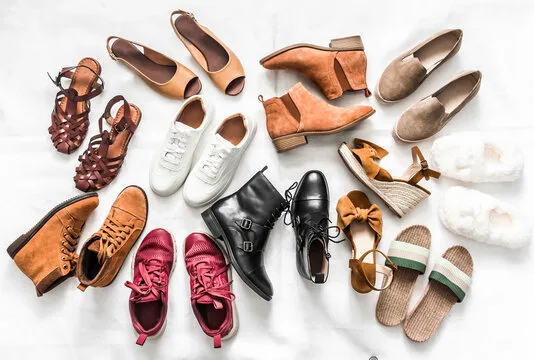
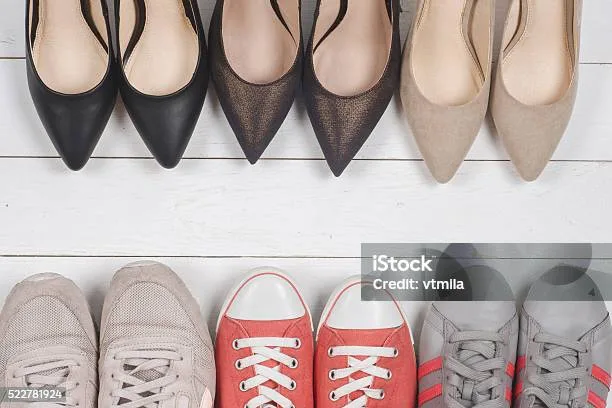
Shoes are more than just a necessity; they are a fundamental element of our personal style, a crucial component of comfort, and a vital tool for performance. Whether you're navigating the urban jungle, conquering rugged trails, or making a statement at a formal event, the right pair of shoes can elevate your experience and your look. However, with an overwhelming array of styles, materials, and functionalities available, selecting the ideal footwear can feel like a daunting task. This comprehensive guide is designed to demystify the process, equipping you with the knowledge to make informed decisions and find the perfect pair of shoes for every occasion and need.
Understanding Your Needs: The Foundation of Smart Shoe Selection
Before diving into specific styles or brands, the most critical step in choosing shoes is to understand your individual needs. This involves considering several key factors:
1. Purpose and Occasion: Where Will Your Shoes Take You?
The primary function of the shoes should dictate your choice. Think about the activities you'll be engaging in:
- Everyday Wear: Comfort and durability are paramount. Versatile styles that can be dressed up or down are ideal.
- Work/Professional Settings: Depending on your industry, this could range from polished dress shoes to supportive and safe work boots.
- Athletic Activities: Specialized footwear designed for specific sports (running, basketball, hiking, etc.) offers the necessary support, cushioning, and traction.
- Special Events: Formal occasions demand elegant and stylish footwear that complements your attire.
- Outdoor Adventures: Hiking boots, trail runners, or waterproof footwear are essential for navigating uneven terrain and various weather conditions.
2. Comfort and Fit: The Non-Negotiables
Ill-fitting shoes can lead to discomfort, pain, and even long-term foot problems. Prioritize comfort above all else:
- Try Before You Buy: Always try on shoes before purchasing, preferably at the end of the day when your feet are slightly swollen.
- Walk Around: Don't just stand; walk around the store to feel how the shoes move with your feet.
- Check for Pinching or Rubbing: Pay attention to any areas where the shoe feels too tight, rubs, or pinches.
- Sufficient Toe Room: Ensure there's about a thumb's width of space between your longest toe and the front of the shoe.
- Arch Support: Consider shoes with adequate arch support, especially if you have flat feet or high arches.
- Heel Fit: Your heel should feel secure and not slip excessively when you walk.
3. Foot Type and Biomechanics: Tailoring to Your Unique Feet
Understanding your foot type can significantly influence your shoe choice, particularly for athletic and comfort-focused footwear:
- Arch Height:
- High Arches: Often require shoes with ample cushioning and flexibility to absorb shock.
- Normal Arches: Generally have a good balance of support and cushioning.
- Flat Arches (Low Arches): May benefit from shoes with good stability and motion control to prevent overpronation.
- Pronation: This refers to the natural inward rolling motion of your foot as you walk or run.
- Neutral Pronation: The foot rolls inward an appropriate amount. Most shoes will work well.
- Overpronation: The foot rolls inward excessively. Stability or motion control shoes are recommended.
- Supination (Underpronation): The foot doesn't roll inward enough. Shoes with extra cushioning and flexibility are often preferred.
Tip: A simple way to assess your arch type is the "wet test." Wet the bottom of your foot and step onto a piece of paper. The imprint will reveal your arch shape.
4. Material and Construction: Durability Meets Style
The materials used in shoe construction significantly impact their feel, durability, breathability, and appearance:
- Leather: A classic choice offering durability, breathability, and a sophisticated look. It molds to your foot over time, providing a custom fit. Different types include full-grain, top-grain, and genuine leather.
- Suede: A type of leather with a napped finish, offering a softer, more casual look. It requires more careful maintenance.
- Canvas: Lightweight, breathable, and often used in casual sneakers and espadrilles. It's generally less durable than leather.
- Synthetic Materials: Includes materials like mesh, nylon, and polyester, commonly found in athletic shoes for their breathability, lightweight properties, and often water-resistance.
- Rubber: Used for outsoles, providing grip and durability.
Exploring the Diverse World of Shoe Styles
The shoe market is a vast landscape of styles, each designed for specific aesthetics and functionalities. Understanding these categories will help you narrow down your choices:
1. Casual Shoes: Comfort and Everyday Style
These are your go-to shoes for relaxed settings, errands, and casual outings. Versatility is key here.
- Sneakers: From classic canvas trainers to modern athletic-inspired designs, sneakers offer unparalleled comfort and a sporty vibe.
- Loafers: Slip-on shoes with a moccasin-like construction. They bridge the gap between casual and semi-formal.
- Boat Shoes/Deck Shoes: Originally designed for sailing, they feature non-slip soles and a preppy, nautical aesthetic.
- Mocassins: Soft, slip-on shoes often made from leather or suede, known for their comfort and relaxed feel.
- Espadrilles: Lightweight shoes with a canvas or cotton upper and a flexible sole made of esparto rope. Perfect for warm weather.
2. Dress Shoes: Polished and Professional
Essential for formal events, business meetings, and occasions requiring a sharp appearance.
- Oxfords: Characterized by their closed lacing system, Oxfords are the most formal type of dress shoe.
- Derbies (Bluchers): Feature an open lacing system, making them slightly less formal than Oxfords but still suitable for business attire.
- Monk Straps: Distinguished by buckles and straps instead of laces, offering a stylish alternative to traditional dress shoes.
- Chelsea Boots: Ankle-high boots with elastic side panels, offering a sleek and sophisticated look that can be dressed up or down.
3. Athletic Shoes: Performance and Support
Designed with specific sports and activities in mind, these shoes prioritize function, cushioning, and stability.
- Running Shoes: Offer varying levels of cushioning, support, and flexibility depending on your gait and running style.
- Training Shoes: Versatile for gym workouts, cross-training, and a variety of exercises, providing a balance of stability and cushioning.
- Basketball Shoes: Designed for ankle support, shock absorption, and grip for quick movements on the court.
- Hiking Boots: Offer ankle support, sturdy soles for traction on uneven terrain, and often waterproofing.
- Walking Shoes: Focus on comfort, cushioning, and support for long periods of standing or walking.
4. Boots: Versatility and Protection
Boots offer a wide range of styles, from rugged outdoor wear to fashion-forward statements.
- Work Boots: Built for durability and protection in demanding environments, often featuring steel toes and slip-resistant soles.
- Fashion Boots: A broad category encompassing various styles like ankle boots, knee-high boots, and combat boots, designed for aesthetic appeal.
- Rain Boots (Wellies): Waterproof footwear made from rubber or PVC, essential for wet conditions.
Key Features to Consider When Buying Shoes
Beyond the style and basic fit, several specific features can enhance your shoe-buying experience and the performance of your footwear:
1. Sole Construction: The Grip and Foundation
The outsole is the part of the shoe that makes contact with the ground. Its design is crucial for traction, durability, and shock absorption.
- Tread Pattern: Deeper, more aggressive treads are better for slippery surfaces or off-road use, while flatter patterns are suitable for indoor or smooth surfaces.
- Material: Rubber is common for its grip and durability. Other materials like EVA (ethylene-vinyl acetate) are used for lighter cushioning.
- Flexibility: The sole should allow for natural foot movement. Shoes that are too stiff can restrict your stride.
2. Cushioning and Shock Absorption: Protecting Your Joints
Especially important for athletic and everyday shoes, cushioning absorbs impact and reduces stress on your feet, ankles, and knees.
- Midsole Materials: Common cushioning materials include EVA, polyurethane, and various proprietary foam technologies.
- Level of Cushioning: This varies from minimal to maximal, depending on the shoe's intended use.
3. Arch Support: Aligning Your Stride
Proper arch support helps maintain the natural alignment of your foot and can prevent issues like plantar fasciitis.
- Integrated Support: Many shoes come with built-in arch support tailored to different foot types.
- Removable Insoles: Allows you to replace the factory insoles with custom orthotics or aftermarket insoles for personalized support.
4. Breathability: Keeping Your Feet Cool and Dry
Good breathability prevents moisture buildup, reducing the risk of blisters, odor, and fungal infections.
- Mesh Uppers: Common in athletic and casual shoes for excellent airflow.
- Perforations: Small holes in leather or synthetic materials that enhance ventilation.
- Moisture-Wicking Linings: Fabrics designed to draw sweat away from the skin.
5. Waterproofing and Water Resistance: Facing the Elements
For outdoor activities or unpredictable weather, water-resistant or waterproof features are essential.
- Water-Resistant: Materials that repel light rain or splashes.
- Waterproof: Often achieved with membranes like Gore-Tex, which prevent water from entering while allowing some breathability.
Tips for Buying Shoes Online
While trying on shoes in person is ideal, online shopping offers convenience and a wider selection. Here's how to make it work:
- Know Your Size: Accurately measure your feet and consult size charts provided by the manufacturer. Sizes can vary significantly between brands.
- Read Reviews: Pay close attention to customer reviews regarding fit, comfort, and durability.
- Check the Return Policy: Ensure the retailer has a generous return policy in case the shoes don't fit or meet your expectations.
- Research the Brand: If you're unfamiliar with a brand, look for information about their sizing and typical fit.
- Consider Footwear Specifics: For athletic shoes, look for reviews that mention the intended activity and how the shoe performs.
Shoe Care and Maintenance: Extending the Life of Your Footwear
Investing in quality shoes is only half the battle; proper care and maintenance are crucial for ensuring they last and maintain their appearance and functionality.
1. Cleaning Your Shoes
- Leather: Use a damp cloth and mild soap for general cleaning. For deeper cleaning and conditioning, use specialized leather cleaners and conditioners.
- Suede: Use a suede brush to remove dirt and a suede eraser for stains. Avoid water.
- Canvas/Fabric: Many can be cleaned with a mild soap and water solution, and some are machine washable (check care labels).
- Athletic Shoes: Often a gentle scrub with soap and water is effective. Remove insoles and laces for thorough cleaning.
2. Protecting Your Shoes
- Waterproofing Sprays: Apply to leather, suede, and fabric shoes to repel water and stains.
- Polishes and Conditioners: For leather shoes, these restore moisture, color, and shine.
- Cedar Shoe Trees: Help absorb moisture, maintain the shoe's shape, and prevent creases.
3. Proper Storage
- Store shoes in a cool, dry place away from direct sunlight.
- Avoid stacking shoes directly on top of each other, which can cause damage.
- Use shoe bags or boxes for extra protection, especially for delicate or expensive footwear.
Emerging Trends in the Footwear Industry
The world of shoes is constantly evolving. Staying aware of current trends can help you make stylish and relevant choices.
- Sustainable Materials: A growing focus on eco-friendly and recycled materials in shoe production.
- Comfort-Driven Design: The lines between athletic and casual wear continue to blur, with an emphasis on comfort in all types of footwear.
- Retro and Vintage Revival: Classic sneaker designs and heritage boot styles are making a strong comeback.
- Athleisure Influence: Footwear that seamlessly transitions from athletic activities to everyday wear.
- Bold Colors and Textures: Experimentation with vibrant color palettes and unique material textures is becoming more prevalent.
Conclusion: Step Confidently into Your Next Pair
Choosing the right pair of shoes is a blend of understanding your personal needs, exploring the diverse options available, and paying attention to the finer details of construction and comfort. By considering the purpose, fit, materials, and specific features, you can navigate the world of footwear with confidence. Remember that your shoes are an investment in your comfort, style, and well-being. Take your time, do your research, and step out in footwear that makes you feel your best, no matter where your journey takes you.