The Ultimate Guide to Choosing the Perfect Pair of Shoes
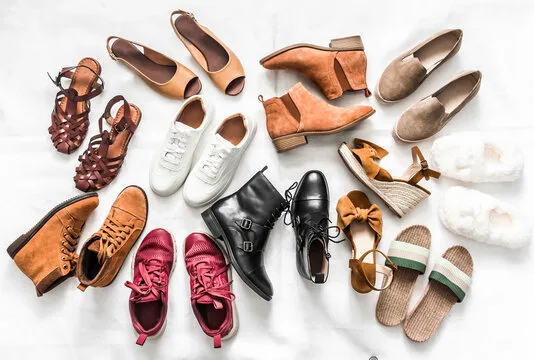
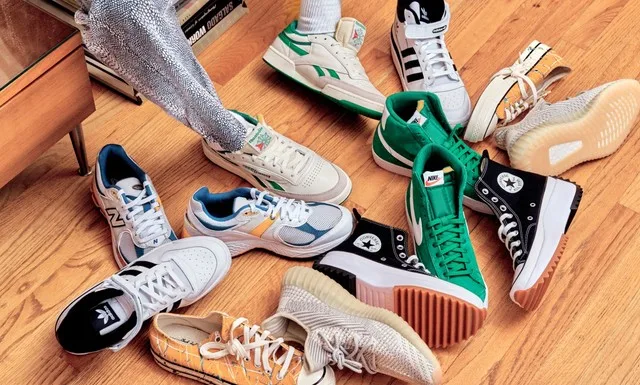
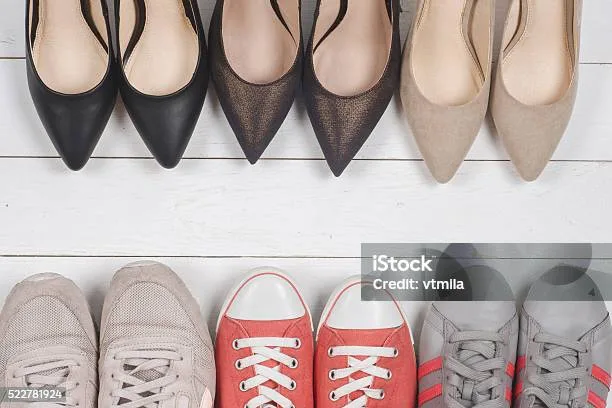
Shoes are more than just footwear; they are a statement, a comfort, and a crucial element of any outfit. Whether you're a fashion enthusiast seeking the latest trends, an athlete looking for performance-enhancing gear, or simply someone in need of comfortable everyday wear, the world of shoes offers an overwhelming array of choices. Navigating this vast landscape can be daunting, but with the right knowledge, you can confidently select the perfect pair for any occasion. This comprehensive guide will equip you with the essential tips, insights into current trends, and a step-by-step approach to making informed purchasing decisions within the diverse category of shoes.
Understanding Your Needs: The Foundation of Shoe Selection
Before diving into styles and brands, the most critical step is to honestly assess your needs. What will you primarily use these shoes for? This fundamental question will narrow down your options significantly and prevent impulse buys that end up gathering dust in your closet.
1. Purpose and Activity
Consider the activities you'll be engaging in while wearing the shoes. This is the primary driver for material, support, and design.
- Athletic Performance: If you're a runner, basketball player, or engage in other sports, prioritize specialized athletic shoes. These are designed with specific features like cushioning, support, and traction to enhance performance and prevent injuries.
- Everyday Wear: For daily commutes, casual outings, or general comfort, focus on versatility and durability. Sneakers, loafers, and comfortable flats are often excellent choices.
- Formal Occasions: For business meetings, weddings, or other formal events, dress shoes like oxfords, derbies, or elegant heels are typically required.
- Outdoor Adventures: Hiking boots, trail running shoes, or sturdy walking shoes are essential for exploring nature. Look for features like waterproofing, ankle support, and rugged soles.
- Work Environment: Some professions require specific footwear for safety (e.g., steel-toe boots) or to maintain a professional appearance.
2. Comfort and Fit
This is non-negotiable. Ill-fitting shoes can lead to pain, blisters, and long-term foot problems. Always prioritize comfort and ensure a proper fit.
- Try Before You Buy: Whenever possible, try on shoes before purchasing. Wear the type of socks you would typically wear with the shoes.
- Time of Day: Try on shoes in the afternoon or evening when your feet are slightly swollen. This ensures a comfortable fit throughout the day.
- Walk Around: Don't just stand in them. Walk around the store to feel how they move with your feet. Check for any pinching, rubbing, or pressure points.
- Toe Room: There should be about a thumb's width of space between your longest toe and the tip of the shoe.
- Heel Fit: Your heel should feel secure and not slip excessively when you walk.
- Arch Support: Consider your arch type (high, normal, or flat) and choose shoes that offer appropriate support.
3. Material and Durability
The materials used in shoe construction significantly impact their comfort, durability, and aesthetic appeal.
- Leather: A classic choice, leather is durable, breathable, and molds to your foot over time. Different types of leather (full-grain, top-grain, suede, nubuck) offer varying levels of softness and resilience.
- Canvas: Lightweight and breathable, canvas is common in casual sneakers and summer shoes. It's generally less durable than leather.
- Synthetics: Many athletic shoes and modern casual shoes utilize synthetic materials like mesh, nylon, and engineered fabrics. These can offer excellent breathability, water resistance, and flexibility.
- Rubber: Primarily used for outsoles, rubber provides traction and durability.
Exploring the Diverse World of Shoe Styles
The shoe market is a vibrant tapestry of styles, each catering to different tastes and occasions. Understanding these categories will help you identify what you're looking for.
1. Athletic Shoes
Designed for performance and comfort during physical activities. This broad category includes:
- Running Shoes: Lightweight, cushioned, and designed for forward motion.
- Training Shoes: Versatile for gym workouts, offering stability and support for lateral movements.
- Basketball Shoes: High-top designs for ankle support and enhanced grip.
- Cross-Training Shoes: A blend of features for various activities.
- Walking Shoes: Comfortable and supportive for extended periods of walking.
2. Casual Shoes
These are your everyday go-to shoes, balancing style and comfort.
- Sneakers: Ubiquitous and versatile, ranging from classic canvas styles to modern athletic-inspired designs.
- Loafers: Slip-on shoes with a moccasin-like construction, offering a smart-casual look.
- Boat Shoes/Deck Shoes: Originally designed for sailors, these feature non-slip soles and are often made of leather or canvas.
- Mocassins: Soft, comfortable slip-on shoes, often made from suede or leather.
- Espadrilles: Lightweight shoes with a canvas or cotton upper and a flexible sole made of esparto rope.
3. Dress Shoes
Essential for formal and professional settings, these shoes exude sophistication.
- Oxfords: Characterized by closed lacing, considered the most formal dress shoe.
- Derbies: Feature open lacing, making them slightly less formal than Oxfords but still suitable for business wear.
- Brogues: Dress shoes (often Oxfords or Derbies) with decorative perforations.
- Monk Straps: Shoes fastened with buckles and straps instead of laces.
- Chelsea Boots: Ankle-high boots with elastic side panels, offering a sleek and versatile look.
4. Boots
Boots offer protection, warmth, and style, with a wide range of designs.
- Ankle Boots: Versatile for various occasions, from casual to semi-formal.
- Chukka Boots: Typically ankle-high boots with two or three eyelets.
- Work Boots: Durable and protective, often with reinforced toes.
- Hiking Boots: Designed for rugged terrain, offering ankle support and waterproofing.
- Fashion Boots: A broad category encompassing various styles for aesthetic purposes.
5. Sandals and Flip-Flops
Ideal for warm weather, offering breathability and ease of wear.
- Sandals: Open footwear with straps that secure the foot.
- Flip-Flops: Simple sandals with a thong between the big and second toe.
- Slides: Sandals with a single strap across the top of the foot.
Current Shoe Trends to Consider
Staying abreast of current trends can add a stylish edge to your wardrobe. While classic styles remain timeless, incorporating a few contemporary elements can elevate your look.
1. Sustainable and Eco-Friendly Footwear
The fashion industry is increasingly focusing on sustainability. Many brands are now offering shoes made from recycled materials, organic cotton, plant-based leathers, and other eco-conscious alternatives. Look for certifications and transparent manufacturing processes.
2. Retro and Vintage-Inspired Designs
Nostalgia is a powerful trend. Many popular shoe styles are drawing inspiration from the past, with updated materials and colorways. Think chunky sneakers reminiscent of the 80s and 90s, or classic loafers with a modern twist.
3. Comfort-First Athleisure
The line between athletic wear and everyday fashion continues to blur. Athleisure shoes prioritize supreme comfort without sacrificing style, making them perfect for a relaxed yet put-together look.
4. Bold Colors and Statement Pieces
While neutrals are always in, don't shy away from vibrant colors and eye-catching designs. A pop of color can transform an entire outfit, and statement shoes are an excellent way to express your personality.
5. Versatile Boots
Boots are no longer just for winter. Ankle boots, combat boots, and even stylish work boots are being incorporated into year-round wardrobes, paired with everything from dresses to jeans.
A Step-by-Step Guide to Buying Shoes Online
While trying on shoes in person is ideal, online shopping offers unparalleled convenience and selection. Follow these steps to ensure a successful online shoe purchase:
Step 1: Know Your Size and Width
This is paramount for online shoe shopping. If you're unsure, measure your feet at home or visit a shoe store to get accurately sized. Note both your length and width measurement.
Step 2: Research Brands and Styles
Read reviews and research the specific brands and styles you're interested in. Some brands tend to run larger or smaller than others, and customer reviews can provide valuable insights into fit and comfort.
Step 3: Check Size Charts Carefully
Every brand has its own sizing chart. Compare your measurements to the brand's specific chart. Pay attention to international sizing conversions (e.g., US to EU to UK).
Step 4: Understand the Return Policy
This is your safety net. Ensure the retailer has a clear and generous return policy. Look for free returns or exchanges, as this minimizes your risk if the shoes don't fit or meet your expectations.
Step 5: Read Product Descriptions Thoroughly
Pay close attention to details about materials, construction, and intended use. Look for information on breathability, cushioning, and any special features.
Step 6: Utilize Customer Reviews and Photos
Customer reviews can offer real-world feedback on fit, comfort, and durability. Look for reviews from people with similar foot types or intended uses.
Step 7: Consider Ordering Multiple Sizes (If Possible)
If the return policy allows, consider ordering two sizes if you're on the cusp. Keep the pair that fits best and return the other.
Maintaining Your Shoes for Longevity
Once you've found your perfect pair, proper care will extend their lifespan and keep them looking their best.
1. Cleaning
Regular cleaning is essential. Use appropriate cleaning products for the material of your shoes. For leather, use a leather cleaner and conditioner. For canvas, a gentle soap and water solution often suffices. Always allow shoes to air dry naturally.
2. Protection
Waterproofing sprays can protect shoes from moisture and stains, especially for leather and suede. For dress shoes, consider using shoe trees to help them retain their shape and absorb moisture.
3. Storage
Store your shoes in a cool, dry place away from direct sunlight. Avoid piling them on top of each other, which can cause damage. Shoe racks or individual shoe bags are good options.
4. Rotation
Don't wear the same pair of shoes every single day. Rotating your footwear allows them to air out and recover their shape, preventing premature wear and tear.
Common Shoe Buying Mistakes to Avoid
Even with the best intentions, it's easy to fall into common pitfalls when buying shoes. Being aware of these can save you time, money, and discomfort.
- Buying Based Solely on Appearance: While aesthetics are important, comfort and functionality should always take precedence.
- Ignoring Fit for Brand Name: A popular brand doesn't guarantee a good fit for your feet.
- Not Considering the Purpose: Buying high heels for a hiking trip is a recipe for disaster.
- Assuming All Shoes of the Same Size Fit the Same: Sizing can vary significantly between brands and even styles within a brand.
- Forgetting About Sock Thickness: The socks you wear can impact the fit of your shoes.
- Not Checking the Return Policy: This is crucial for online purchases.
- Buying Without Trying Them On (if possible): Especially for new styles or brands.
Conclusion: Your Journey to Happy Feet
Choosing the right pair of shoes is an investment in your comfort, style, and overall well-being. By understanding your needs, exploring the vast array of styles available, staying informed about current trends, and following smart buying practices, you can confidently navigate the world of footwear. Remember to prioritize fit and comfort above all else, and with proper care, your chosen shoes will serve you well for seasons to come. Happy shoe hunting!