The Ultimate Guide to Choosing the Perfect Pair of Shoes
In the vast and ever-evolving world of footwear, selecting the right pair of shoes can feel like a daunting task. From athletic performance to everyday comfort and sophisticated style, the perfect pair of shoes is more than just an accessory; it’s a foundation for your activities, a reflection of your personality, and a crucial element of your overall well-being. This comprehensive guide will equip you with the knowledge and confidence to navigate the diverse landscape of shoes, ensuring you make informed choices that cater to your specific needs, preferences, and lifestyle.
Understanding the Different Types of Shoes
Before diving into the intricacies of selection, it’s essential to familiarize yourself with the broad categories of shoes available. Each type is designed with specific purposes and aesthetics in mind.
Athletic and Performance Footwear
These shoes are engineered for specific sports and activities, prioritizing support, cushioning, and traction. Investing in the right athletic shoes can significantly enhance performance and reduce the risk of injury.
- Running Shoes: Designed for shock absorption and forward motion. Key features include responsive cushioning, flexible soles, and breathable uppers. Different types cater to various running styles (e.g., neutral, stability, motion control) and terrains (road, trail).
- Training Shoes: Versatile for gym workouts, cross-training, and various exercises. They offer a balance of cushioning, support, and stability, often with a flatter, wider sole for lateral movements.
- Basketball Shoes: Provide ankle support and cushioning for high-impact movements like jumping and landing. They typically feature a high-top design and durable outsoles for grip on indoor courts.
- Hiking Boots: Built for rugged terrain and outdoor adventures. They offer excellent ankle support, waterproofing, and aggressive tread patterns for superior grip.
- Cycling Shoes: Designed to clip into pedals for efficient power transfer. They are stiff-soled and often feature specialized closure systems for a secure fit.
Casual and Everyday Footwear
These shoes prioritize comfort and style for daily wear, offering a wide range of options for various occasions and personal tastes.
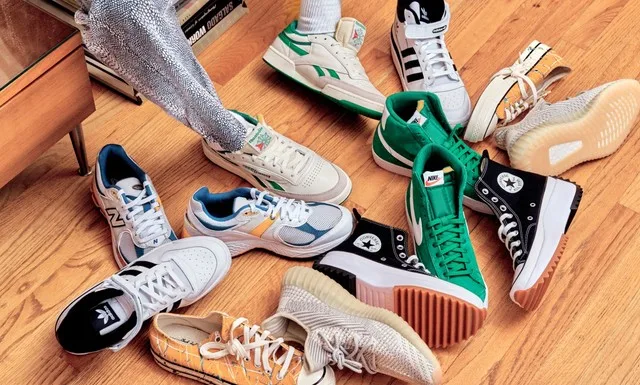
- Sneakers: The quintessential casual shoe, ranging from minimalist designs to bold, statement-making styles. They are known for their comfort and versatility.
- Loafers: Slip-on shoes with a moccasin-like construction. They offer a smart-casual look, suitable for both relaxed and slightly more formal settings.
- Boat Shoes: Characterized by their slip-on design, non-marking rubber soles, and often leather or canvas uppers. They evoke a nautical, relaxed aesthetic.
- Sandals: Open-toed footwear perfect for warm weather. They come in numerous styles, from flip-flops for ultimate relaxation to more structured sandals for walking and light activities.
- Espadrilles: Lightweight shoes with a canvas or cotton fabric upper and a sole made of esparto rope. They offer a bohemian, summery vibe.
Dress and Formal Footwear
These shoes are designed to complement formal attire, adding a touch of sophistication and polish to your look.
- Oxfords: Characterized by their closed lacing system, where the shoelace eyelets are attached underneath the vamp. They are considered the most formal dress shoe.
- Derbies: Feature an open lacing system, where the shoelace eyelets are attached on top of the vamp. They are slightly less formal than Oxfords but still suitable for many business and dress occasions.
- Monk Straps: A laceless shoe secured by one or more buckles and straps. They offer a stylish alternative to lace-up shoes.
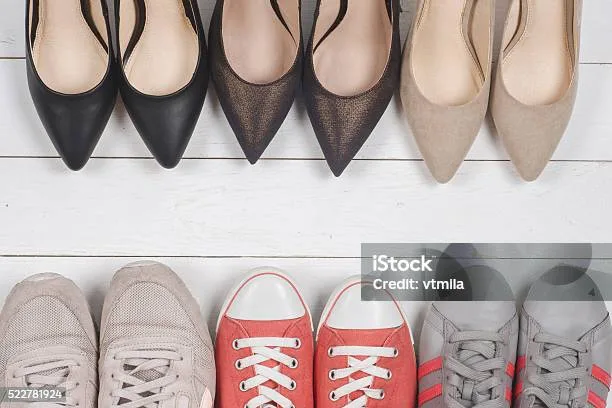
- Heels: A broad category encompassing various styles like pumps, stilettos, block heels, and wedges, primarily for women. They add height and elegance to outfits.
- Dress Boots: Boots designed to be worn with formal or semi-formal attire, often featuring sleek leather uppers and refined silhouettes.
Boots
Boots offer a wide spectrum of styles, from rugged outdoor companions to sleek fashion statements, providing warmth, protection, and a distinct aesthetic.
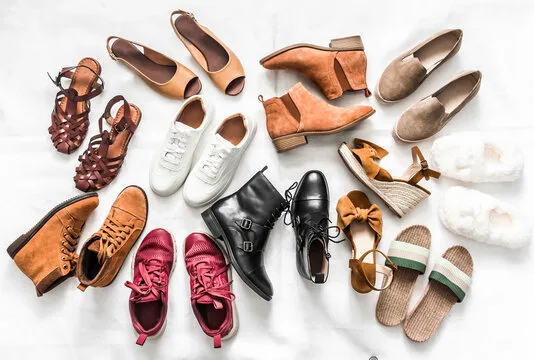
- Ankle Boots: Versatile boots that end at or just above the ankle. They can be dressed up or down and are suitable for various weather conditions.
- Chelsea Boots: Characterized by their elastic side panels and often a pull-on tab at the back. They offer a classic, streamlined look.
- Combat Boots: Inspired by military footwear, these boots are typically durable, lace-up, and offer robust protection.
- Knee-High Boots: Boots that extend up to or past the knee. They can be stylish for fashion or functional for warmth and protection in colder climates.
- Work Boots: Built for durability and protection in demanding environments. They often feature steel toes, slip-resistant soles, and waterproof materials.
Key Factors to Consider When Buying Shoes
Making the right shoe purchase involves more than just admiring a style. Several critical factors should influence your decision to ensure comfort, longevity, and suitability.
Fit and Comfort
This is arguably the most crucial aspect. Ill-fitting shoes can lead to discomfort, pain, blisters, and even long-term foot problems.
- Measure Your Feet: Feet can change size and shape over time. Measure both feet at the end of the day when they are typically at their largest.
- Consider Width: Shoes come in various widths. Ensure the shoe is wide enough to accommodate your foot without pinching or excessive tightness.
- Toe Box Space: There should be about a thumb's width of space between your longest toe and the end of the shoe. Your toes should be able to wiggle freely.
- Heel Fit: Your heel should feel secure and not slip excessively when you walk.
- Arch Support: Assess the shoe's arch support based on your foot type (e.g., flat feet, high arches).
- Try Before You Buy: Always try on shoes before purchasing. Walk around in them for a few minutes to gauge comfort.
- Wear Appropriate Socks: Try on shoes with the type of socks you intend to wear with them.
Purpose and Activity
The intended use of the shoes should heavily influence your choice. Wearing the wrong type of shoe for an activity can lead to discomfort and injury.
- Athletic Performance: Choose shoes specifically designed for the sport or activity.
- Work and Professional Settings: Opt for shoes that are comfortable for long hours of standing or walking, while also meeting dress code requirements.
- Casual Wear: Prioritize comfort and style that aligns with your personal aesthetic.
- Outdoor Adventures: Select footwear offering protection, durability, and appropriate traction for the terrain.
Material and Construction
The materials used and how the shoe is constructed significantly impact its durability, breathability, comfort, and overall performance.
- Leather: A durable, breathable, and often luxurious material. It molds to the foot over time, offering excellent comfort. Different types include full-grain, top-grain, and suede.
- Suede: A type of leather with a napped finish, offering a softer texture. It requires more care and is less water-resistant than smooth leather.
- Canvas: A lightweight, breathable, and often affordable material. It's common in casual sneakers and espadrilles.
- Synthetic Materials: Many athletic shoes utilize advanced synthetic fabrics for breathability, water resistance, and durability.
- Rubber: Commonly used for outsoles, providing traction and durability.
- Construction Methods:
- Cemented: The sole is glued to the upper. Often found in more casual and athletic shoes, it's generally less durable and repairable.
- Blake Stitch: The sole is stitched directly to the insole and upper. Offers flexibility and a sleeker profile, common in dress shoes.
- Goodyear Welt: A strip of leather (the welt) is stitched to the upper and the sole, creating a strong, durable bond. Allows for resoling, making these shoes highly repairable and long-lasting.
Durability and Longevity
Consider how long you expect the shoes to last and how well they are constructed to withstand wear and tear.
- High-Quality Materials: Invest in shoes made from premium materials that are known for their resilience.
- Robust Construction: Look for strong stitching, well-attached soles, and reinforced stress points.
- Repairability: Shoes with Goodyear welting or Blake stitching are often more easily repaired, extending their lifespan.
- Proper Care: Regular cleaning, conditioning, and appropriate storage can significantly prolong the life of any pair of shoes.
Style and Aesthetics
While comfort and function are paramount, the visual appeal of your shoes plays a vital role in completing your outfit and expressing your personal style.
- Match Your Wardrobe: Consider the colors, styles, and formality of your existing clothing.
- Occasion Appropriateness: Ensure the shoes are suitable for the events or settings you plan to wear them in.
- Personal Preference: Ultimately, choose shoes that you find aesthetically pleasing and that make you feel confident.
Budget
Shoes vary widely in price. Determine your budget beforehand, but remember that investing in higher-quality shoes can often be more cost-effective in the long run due to their durability and comfort.
Tips for Different Foot Types
Understanding your foot type is crucial for selecting shoes that provide optimal support and comfort.
Normal Arches
Individuals with normal arches typically have a balanced foot pronation. Most standard shoes will work well. Look for shoes with moderate cushioning and support.
Flat Feet (Low Arches)
Flat feet tend to overpronate, meaning the foot rolls inward excessively. This can lead to strain on the ankles and knees.
- Motion Control Shoes: These shoes offer maximum support to limit excessive inward rolling.
- Stability Shoes: Provide a good balance of cushioning and support.
- Avoid: Shoes with excessive flexibility or minimal support.
High Arches
High arches often underpronate, meaning the foot doesn't roll inward enough, placing more stress on the outer edge of the foot.
- Cushioned Shoes: Prioritize shoes with ample cushioning to absorb shock.
- Flexible Shoes: Look for shoes that allow for natural foot movement.
- Avoid: Shoes with rigid soles or excessive stability features, which can exacerbate underpronation.
Shoe Care and Maintenance for Longevity
Proper care is essential to keep your shoes looking great and performing well for years to come.
Cleaning
- Leather: Wipe with a damp cloth, then use a leather cleaner and conditioner.
- Suede: Use a suede brush to remove dirt and stains. For tougher stains, a suede eraser or specialized cleaner may be needed.
- Canvas: Most canvas shoes can be hand-washed with mild soap and water.
- Athletic Shoes: Remove insoles and laces, and wash the shoes in a gentle cycle with cold water. Air dry.
Protection
- Waterproofing: Use a waterproofing spray suitable for the shoe's material to protect against moisture.
- Polishing: For leather shoes, apply shoe polish to restore color and shine.
Storage
- Shoe Trees: Use cedar shoe trees to maintain the shoe's shape, absorb moisture, and prevent odor.
- Avoid: Storing shoes in direct sunlight or damp environments.
- Rotation: Wearing the same pair of shoes every day can lead to premature wear and tear. Rotating your footwear allows them to air out and recover.
Emerging Trends in Footwear
The shoe industry is constantly innovating, with new trends emerging that blend style, comfort, and technology.
- Sustainability: An increasing focus on eco-friendly materials like recycled plastics, organic cotton, and plant-based leathers.
- Comfort-Driven Design: A continued emphasis on comfort, even in dressier styles, with advancements in cushioning and ergonomic design.
- Athleisure: The blurring lines between athletic and casual wear, leading to sneakers and sporty footwear becoming acceptable in a wider range of social settings.
- Retro Revival: A resurgence of classic sneaker designs and vintage-inspired styles.
- Personalization and Customization: Growing opportunities for consumers to customize their shoes with unique colors, materials, and details.
A Quick Reference Table: Shoe Types and Their Best Uses
This table provides a concise overview to help you quickly identify the best shoe for various needs.
| Shoe Type | Primary Use | Key Features | Ideal For |
|---|---|---|---|
| Running Shoes | Running, jogging | Cushioning, flexibility, breathability | Runners, athletes |
| Training Shoes | Gym workouts, cross-training | Stability, cushioning, versatility | Fitness enthusiasts |
| Oxfords | Formal occasions, business attire | Closed lacing, sleek silhouette | Professionals, formal events |
| Derbies | Business casual, semi-formal | Open lacing, slightly less formal than Oxfords | Everyday work, smart casual events |
| Sneakers | Casual wear, everyday comfort | Comfort, style, versatility | All ages, various casual settings |
| Loafers | Smart-casual, relaxed office | Slip-on, moccasin construction | Those seeking effortless style |
| Hiking Boots | Trekking, outdoor adventures | Ankle support, waterproofing, rugged sole | Hikers, outdoor enthusiasts |
| Ankle Boots | Versatile, casual to semi-formal | Comfort, style, ankle coverage | Daily wear, transitioning seasons |
Conclusion
Choosing the right pair of shoes is an investment in your comfort, health, and personal style. By understanding the different types of footwear available, considering crucial factors like fit, purpose, material, and durability, and by paying attention to your unique foot type and proper care, you can confidently select shoes that will serve you well for any occasion. Whether you're hitting the gym, heading to the office, or embarking on an adventure, the perfect pair of shoes awaits. Happy shoe hunting!