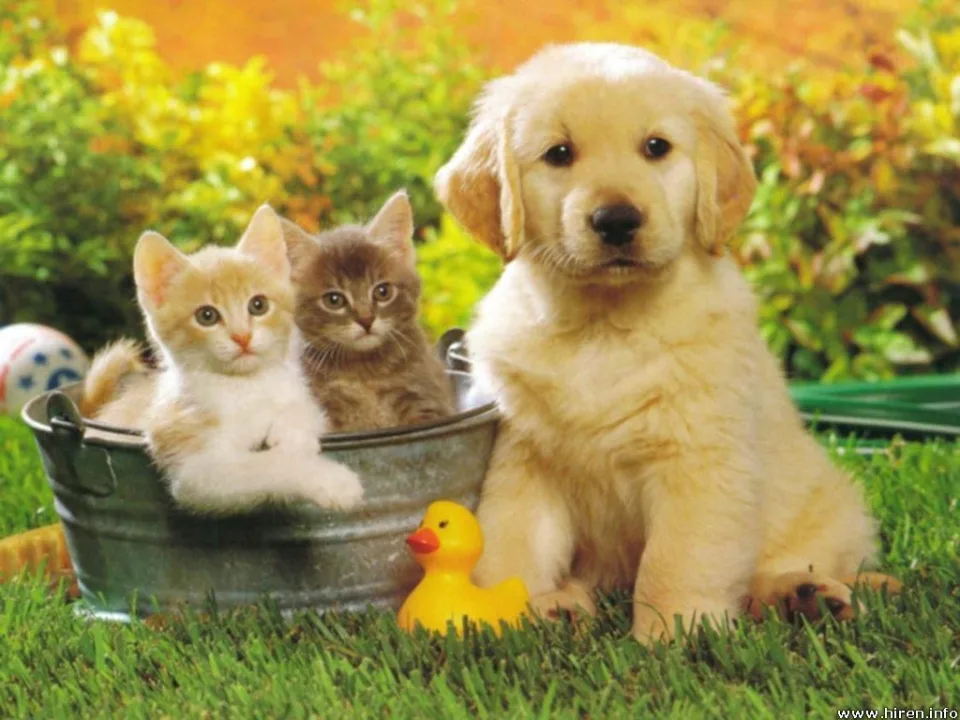
The Ultimate Guide to Choosing the Perfect Pet Products
Welcoming a pet into your life is a joyous occasion, filled with wagging tails, purring cuddles, and endless companionship. However, the journey doesn't end with adoption; it's just the beginning of a lifelong commitment to providing your furry, feathered, or scaled friend with the best possible care. A crucial aspect of this care involves selecting the right products. From nutritious food to engaging toys and comfortable bedding, the pet product market is vast and can be overwhelming. This comprehensive guide is designed to equip you with the knowledge and confidence to navigate this landscape, ensuring you make informed decisions that contribute to your pet's health, happiness, and overall well-being.
Understanding Your Pet's Unique Needs
Before diving into the endless aisles of pet supplies, the most critical first step is to thoroughly understand your specific pet's needs. This goes beyond their species and breed; it encompasses their age, activity level, temperament, any existing health conditions, and even their individual preferences. A one-size-fits-all approach simply won't suffice when it comes to pet care.
Age-Specific Considerations
- Puppies and Kittens: Young animals are in a crucial developmental stage. They require specialized nutrition to support growth, durable toys for teething, and gentle grooming tools. Training aids are also essential during this period.
- Adult Pets: Once mature, pets generally need balanced nutrition tailored to their activity levels. Enrichment toys become important for mental stimulation, and comfortable resting spots are vital for recovery and sleep.
- Senior Pets: As pets age, their dietary needs may change, often requiring more easily digestible food or supplements to support joint health. Orthopedic beds can provide much-needed comfort, and gentler grooming tools might be necessary.
Breed and Size Matters
Different breeds have distinct characteristics that influence their product requirements. For instance:
- Large Breeds: May require larger food bowls, more durable chew toys to withstand stronger jaws, and sturdy beds.
- Small Breeds: Might benefit from smaller kibble sizes, lighter toys, and specialized grooming tools for finer fur.
- Brachycephalic Breeds (e.g., Pugs, Bulldogs): May need specially designed bowls to aid in eating and drinking due to their facial structure.
Activity Level and Temperament
An energetic Border Collie will have vastly different toy and food requirements compared to a laid-back Persian cat. High-energy pets need more calories and robust toys that can withstand vigorous play. Calmer pets might require fewer calories and toys that focus on mental stimulation rather than physical exertion. Understanding your pet's temperament – whether they are anxious, playful, or shy – will also guide your choices in toys, bedding, and even training aids.
Health Conditions and Sensitivities
Pets with allergies, sensitive stomachs, or specific health issues (like arthritis or dental problems) require specialized products. This might include:
- Hypoallergenic or Limited Ingredient Diets: For pets with food sensitivities.
- Joint Supplements: To support mobility in older or predisposed pets.
- Dental Chews or Water Additives: To promote oral hygiene.
- Specialized Grooming Products: For pets with skin conditions.
Always consult with your veterinarian for recommendations regarding products for pets with health concerns.
Essential Pet Product Categories: A Deep Dive
The pet product market can be broadly categorized into several key areas. Understanding the nuances of each will empower you to make the best choices for your companion.
Nutrition: The Foundation of Health
Food is arguably the most critical product you'll purchase for your pet. The quality of their diet directly impacts their energy levels, coat health, immune system, and longevity. When choosing pet food, consider these factors:
Types of Pet Food
- Dry Kibble: Convenient, cost-effective, and can help with dental hygiene. Look for high-quality protein as the first ingredient.
- Wet/Canned Food: Higher moisture content, often more palatable, and can be beneficial for pets who need to increase their water intake.
- Semi-Moist Food: A middle ground, often appealing to picky eaters.
- Raw Diets: Can offer numerous benefits but require careful preparation and knowledge to ensure nutritional balance and safety.
- Freeze-Dried and Dehydrated Food: Offer convenience and can retain more nutrients than highly processed options.
Key Ingredients to Look For (and Avoid)
A high-quality pet food should prioritize:
- Whole Animal Protein: Chicken, beef, lamb, fish, etc., listed as the first ingredient.
- Whole Grains or Complex Carbohydrates: Brown rice, oats, sweet potatoes.
- Healthy Fats: Fish oil, flaxseed.
- Vitamins and Minerals.
Be wary of foods with:
- Generic Meat By-products: Lacking specific nutritional information.
- Artificial Colors, Flavors, and Preservatives.
- Excessive Fillers: Corn, wheat, soy (especially if your pet has sensitivities).
Understanding Feeding Guidelines
Always follow the feeding guidelines on the product packaging as a starting point, but adjust based on your pet's individual metabolism, activity level, and body condition. Regular weigh-ins and monitoring your pet's physique are essential.
Grooming: Keeping Your Pet Clean and Healthy
Regular grooming is essential for your pet's hygiene, comfort, and early detection of potential health issues. The right grooming tools will make the process easier and more effective.
Brushes and Combs
The type of brush needed depends heavily on your pet's coat type:
- Slicker Brushes: Ideal for removing tangles and loose undercoat in medium to long-haired pets.
- Pin Brushes: Suitable for longer coats to detangle and smooth.
- Bristle Brushes: Best for short-haired pets to distribute natural oils and add shine.
- De-shedding Tools: Designed to reach deep into the undercoat and remove loose hair effectively.
- Combs: For detangling specific knots and fine-tuning grooming.
Bathing and Shampoos
Use shampoos specifically formulated for your pet's species and skin type. Avoid human shampoos, as their pH levels can be harmful. Options include:
- General Purpose Shampoos: For regular cleaning.
- Medicated Shampoos: For skin conditions, as prescribed by a vet.
- Hypoallergenic Shampoos: For pets with sensitive skin.
- Oatmeal Shampoos: For soothing itchy skin.
Nail Trimmers and Grinders
Regular nail trimming prevents overgrowth, which can lead to discomfort and mobility issues. Choose between nail clippers or electric grinders, depending on your comfort level and your pet's tolerance.
Dental Care Products
Oral hygiene is critical for preventing dental disease. Options include:
- Pet Toothbrushes and Toothpaste: Use enzymatic toothpaste formulated for pets.
- Dental Chews and Treats: Can help reduce plaque and tartar buildup.
- Water Additives: To help freshen breath and combat bacteria.
Toys: Enrichment and Entertainment
Toys are not just for fun; they are crucial for a pet's mental and physical stimulation, preventing boredom, destructive behavior, and anxiety. Choose toys that are appropriate for your pet's size, age, and chewing habits.
Types of Toys
- Chew Toys: Durable toys made from rubber, nylon, or natural materials to satisfy a dog's urge to chew.
- Interactive Toys: Puzzle toys, treat-dispensing toys, and fetch toys that encourage engagement and mental problem-solving.
- Plush Toys: Softer toys, often with squeakers, suitable for pets who enjoy carrying and gently playing with toys. Ensure they are durable enough not to be easily destroyed and ingested.
- Cat Toys: Laser pointers, feather wands, crinkle balls, and catnip-filled toys are popular for feline entertainment.
- Small Animal Toys: Tunnels, chewable blocks, and exercise wheels for rabbits, hamsters, and other small critters.
Safety Considerations
Always supervise your pet with new toys. Discard any toys that become damaged or have small parts that could be ingested. Ensure toys are made from non-toxic materials.
Bedding and Housing: Comfort and Security
A comfortable and safe resting place is vital for your pet's well-being. This includes beds, crates, and enclosures.
Pet Beds
Consider:
- Size: Large enough for your pet to stretch out comfortably.
- Material: Durable, washable, and comfortable. Options range from plush to orthopedic memory foam.
- Support: Orthopedic beds are excellent for older pets or those with joint issues.
- Washability: Easy-to-clean covers are a must.
Crates and Carriers
Crates can serve as a den for dogs, aiding in housetraining and providing a sense of security. Carriers are essential for transporting pets safely.
- Size: Ensure the crate is large enough for your pet to stand up, turn around, and lie down comfortably.
- Ventilation: Good airflow is crucial.
- Durability: Choose sturdy materials.
Enclosures for Small Animals
For smaller pets like rabbits, guinea pigs, or hamsters, appropriate housing is paramount:
- Size: Ample space for movement, exercise, and exploration.
- Ventilation: Essential for preventing respiratory issues.
- Bedding: Safe and absorbent bedding materials.
- Enrichment: Tunnels, hideouts, and chewable items.
Collars, Leashes, and Harnesses: Safety and Control
These items are crucial for your pet's safety during walks and outings, as well as for identification.
Collars
- Flat Collars: The most common type, available in various materials like nylon, leather, and reflective fabrics. Ensure a comfortable fit – you should be able to slip two fingers between the collar and your pet's neck.
- Martingale Collars: Designed for breeds with narrow heads (like sighthounds) to prevent them from slipping out of their collars.
- Head Halters: Offer more control for strong pullers by working on the dog's muzzle.
Leashes
- Standard Leashes: Typically 4-6 feet long, made from nylon, leather, or biothane.
- Retractable Leashes: Offer more freedom but can be dangerous if not used with caution, as they can cause injuries and lack immediate control.
Harnesses
Harnesses distribute pressure across the chest and shoulders, which can be more comfortable and safer for some pets, especially those with tracheal issues or who tend to pull.
- Front-Clip Harnesses: Can help reduce pulling by redirecting the dog's forward motion.
- Back-Clip Harnesses: Offer more freedom of movement and are often preferred for dogs who don't pull excessively.
Identification: Ensuring Their Safe Return
It's vital to have a reliable way to identify your pet if they get lost.
- ID Tags: Attach to your pet's collar with your contact information.
- Microchipping: A permanent form of identification implanted under the skin, containing a unique registration number linked to your contact details. This is considered the most reliable method.
Navigating the Pet Product Market: Tips for Smart Shopping
With so many options available, making smart purchasing decisions is key to getting the best value and quality for your pet.
Read Reviews and Do Your Research
Before purchasing, take the time to read customer reviews. Look for patterns in feedback regarding durability, effectiveness, and safety. Cross-reference information from multiple sources.
Prioritize Quality Over Price
While budget is always a consideration, investing in higher-quality products often translates to better durability, safety, and effectiveness in the long run. A cheap toy that breaks easily or unsafe food can lead to costly vet bills and potential harm to your pet.
Consider Your Pet's Individual Needs
As emphasized throughout this guide, always circle back to what your specific pet requires. Don't be swayed by trends or what other pet owners are buying if it doesn't align with your pet's unique characteristics.
Consult Your Veterinarian
Your vet is an invaluable resource. They can provide expert advice on nutrition, health-related products, and even recommend specific brands or types of items that are best suited for your pet.
Look for Safety Certifications
For certain products, such as pet food or toys, look for certifications from reputable organizations that indicate adherence to safety and quality standards.
Think About Sustainability
As consumers, we can also consider the environmental impact of our pet product choices. Look for brands that use sustainable materials, eco-friendly packaging, and ethical manufacturing practices.
Common Pitfalls to Avoid When Buying Pet Products
Being aware of common mistakes can save you time, money, and potential heartache.
- Impulse Buying: Don't buy products on a whim. Always consider if your pet truly needs it and if it's the right fit.
- Ignoring Age or Size Appropriateness: A toy that's too small for a large dog can be a choking hazard. Food formulated for puppies may not be suitable for senior dogs.
- Over-Purchasing: It's easy to get carried away. Start with the essentials and gradually add more as you understand your pet's preferences and needs better.
- Not Considering Washability: Many pet products, especially bedding and toys, will need regular cleaning. Ensure they are easy to maintain.
- Assuming All "Natural" or "Organic" Labels Mean the Same: These terms can be loosely regulated. Always check the ingredient list for actual quality.
Conclusion: Investing in Your Pet's Happiness
Choosing the right pet products is an ongoing process that evolves as your pet grows and their needs change. By taking a thoughtful, informed approach, prioritizing quality and safety, and always considering your pet's individual well-being, you can create a nurturing environment that fosters a long, healthy, and happy life for your beloved companion. Remember, the best products are those that enhance your pet's life, strengthen your bond, and contribute positively to their overall health and happiness.