The Ultimate Guide to Choosing the Right Sports Gear: A Comparative Analysis
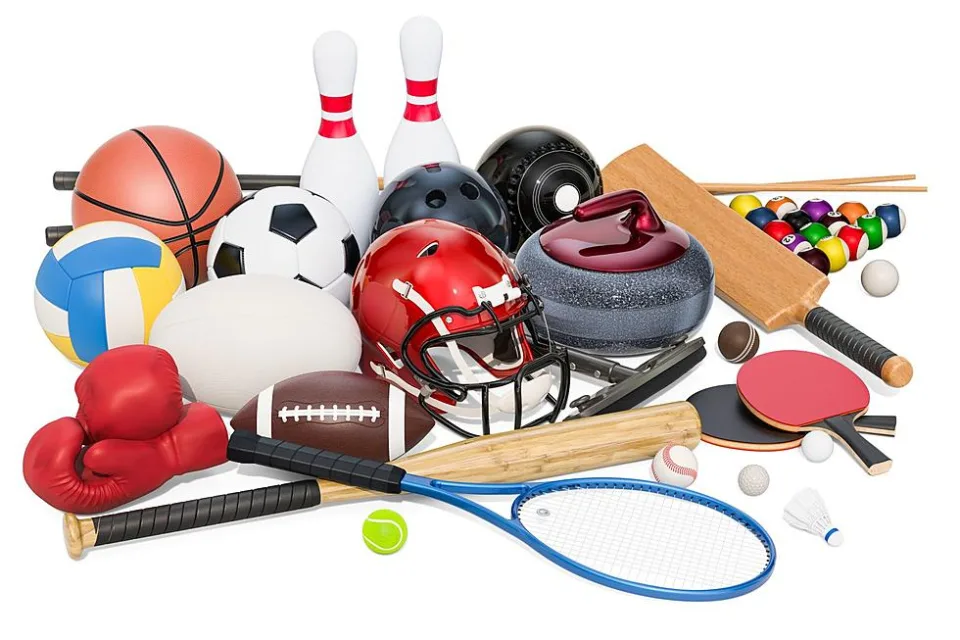
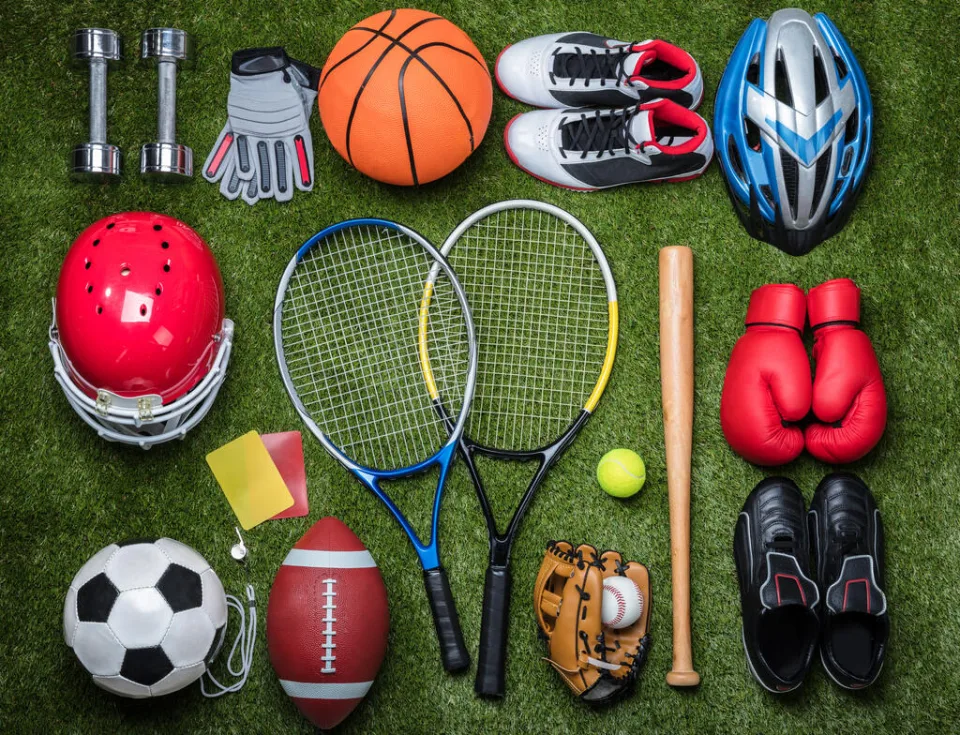
The world of sports is vast and varied, offering something for everyone, from the casual weekend warrior to the dedicated professional athlete. Regardless of your chosen discipline, having the right gear is not just about comfort; it's about performance, safety, and maximizing your enjoyment. This comprehensive guide will delve into a comparative analysis of popular sports gear categories, helping you make informed decisions whether you're a beginner or looking to upgrade your equipment. We’ll explore key considerations, highlight the differences between various options, and provide insights into making the best choice for your athletic pursuits.
Understanding the Importance of Sports Gear
Before we dive into specific comparisons, it's crucial to understand why investing in quality sports gear is paramount. Properly selected equipment can:
- Enhance Performance: Lightweight materials, ergonomic designs, and advanced technologies in sports gear can significantly improve your speed, agility, power, and endurance.
- Prevent Injuries: Adequate support, cushioning, and protective features are vital for minimizing the risk of sprains, strains, fractures, and other common sports-related injuries.
- Increase Comfort: Well-fitting and breathable gear reduces friction, chafing, and overheating, allowing you to focus on your activity rather than discomfort.
- Boost Confidence: Using high-quality, appropriate equipment can instill a sense of professionalism and readiness, positively impacting your mental game.
- Extend Lifespan of Activity: By reducing wear and tear on your body and providing a better experience, the right gear can encourage you to stay active for longer.
Comparison 1: Footwear – The Foundation of Athletic Performance
Footwear is arguably the most critical piece of sports equipment. The demands placed on your feet vary drastically depending on the sport. We'll compare common types of athletic shoes.
Running Shoes vs. Training Shoes
While both are designed for athletic activities, running shoes and training shoes serve distinct purposes.
Running Shoes
Purpose: Designed for forward motion, providing cushioning and support for repetitive impact during running. Key Features:
- Cushioning: Emphasis on shock absorption in the heel and forefoot to mitigate the impact of each stride.
- Flexibility: Highly flexible sole to allow for natural foot movement during the gait cycle.
- Lightweight: Generally lighter to reduce fatigue over long distances.
- Breathability: Uppers made from mesh or other breathable materials to keep feet cool.
- Heel-to-toe Drop: Often have a noticeable difference in height between the heel and the forefoot, promoting forward momentum.
Training Shoes (Cross-Training Shoes)
Purpose: Versatile shoes designed for a variety of athletic movements, including lateral shifts, jumps, and lifts. Key Features:
- Stability: Firmer sole and reinforced sides to provide support during side-to-side movements and lifts.
- Durability: Often constructed with more robust materials to withstand diverse training regimens.
- Tread: More aggressive tread patterns for better grip on various surfaces.
- Flatter Sole: Typically have a flatter sole with less heel-to-toe drop, offering a stable base for lifting.
- Ankle Support: Some models offer mid-top designs for added ankle stability.
Specialized Sport-Specific Footwear
Beyond general running and training shoes, many sports require highly specialized footwear:
- Basketball Shoes: High-top designs for ankle support, excellent traction for court grip, and ample cushioning for jumping and landing.
- Soccer Cleats: Studs or blades on the outsole for traction on grass or artificial turf, designed for quick acceleration and changes in direction.
- Tennis Shoes: Durable outsoles with specific tread patterns for court surfaces, offering lateral support and stability for side-to-side movements.
- Hiking Boots: Sturdy construction, ankle support, waterproof materials, and aggressive tread for varied terrain and protection.
Comparison 2: Apparel – Balancing Comfort, Performance, and Protection
Athletic apparel is designed to complement your movement and protect your body. The choice of fabric and design significantly impacts your experience.
Synthetic Fabrics vs. Natural Fibers (Cotton)
The primary battleground in athletic apparel is between synthetic materials and natural fibers like cotton.
Synthetic Fabrics (Polyester, Nylon, Spandex)
Pros:
- Moisture-Wicking: Excellent at drawing sweat away from the skin to the outer surface, where it can evaporate, keeping you dry and comfortable.
- Durability: Generally more resistant to stretching, shrinking, and abrasion.
- Lightweight: Often lighter than cotton, reducing bulk.
- Quick Drying: Dries much faster than cotton, which is beneficial during intense workouts or in humid conditions.
- Stretch and Recovery: Fabrics like spandex provide excellent stretch and retain their shape.
- Odor Retention: Can sometimes retain odors more than natural fibers, requiring specific washing techniques.
- Less Breathable (sometimes): While designed to wick moisture, some cheaper synthetics can feel less breathable than high-quality cotton in less intense conditions.
- Environmental Concerns: Made from petroleum-based products, contributing to microplastic pollution.
Natural Fibers (Cotton)
Pros:
- Softness and Comfort: Naturally soft and comfortable against the skin.
- Breathability: Can be quite breathable in dry conditions.
- Hypoallergenic: Generally well-tolerated by sensitive skin.
- Biodegradable: More environmentally friendly than synthetics.
- Absorbs Moisture: Cotton absorbs moisture readily but does not wick it away effectively. It becomes heavy, clingy, and can lead to chafing and feeling cold when wet.
- Slow Drying: Takes a long time to dry, which is a significant disadvantage during strenuous activity.
- Less Durable: Can stretch out of shape and wear out faster than synthetics.
Compression Apparel
Compression garments, made from tight-fitting synthetic blends, are increasingly popular.
Benefits:
- Improved Blood Circulation: The gentle pressure can enhance blood flow, potentially aiding in muscle recovery and reducing fatigue.
- Muscle Support: Provides a feeling of support to muscles, which can reduce vibration and improve proprioception (awareness of body position).
- Reduced Muscle Soreness: Some studies suggest compression wear can help alleviate delayed onset muscle soreness (DOMS).
- Temperature Regulation: Can help regulate body temperature by wicking sweat and providing a consistent layer.
Considerations:
- Fit is Crucial: Must be snug but not restrictive to be effective and comfortable.
- Not a Magic Bullet: While beneficial, it's not a substitute for proper training and recovery techniques.
- Cost: Can be more expensive than standard athletic wear.
Comparison 3: Protective Gear – Safety First
Depending on the sport, protective gear is non-negotiable. The level of protection required varies immensely.
Helmets: Essential for Impact Protection
Helmets are designed to protect the head from impact. The key differences lie in their construction, intended use, and safety certifications.
Types of Helmets
- Cycling Helmets: Lightweight, well-ventilated, designed to absorb impact from falls. Often feature MIPS (Multi-directional Impact Protection System) technology for rotational force protection.
- Ski/Snowboard Helmets: Offer more coverage, enhanced insulation for cold weather, and robust impact protection for falls on hard snow and ice.
- Contact Sports Helmets (e.g., American Football, Hockey): Heavily padded, designed to withstand significant impacts and collisions. Focus on impact absorption and shell durability.
- Skateboarding/BMX Helmets: Often have a more rounded profile and offer coverage for the back of the head, designed for falls on hard surfaces.
Key Features to Consider:
- Safety Certifications: Look for helmets that meet relevant safety standards (e.g., CPSC for cycling in the US, CE EN 1078 for cycling in Europe, ASTM for snow sports).
- Fit and Comfort: A properly fitting helmet is crucial for its effectiveness. Adjustable straps and internal padding systems are important.
- Ventilation: Essential for comfort, especially during strenuous activities.
- Weight: Lighter helmets are generally more comfortable for extended wear.
Padding and Guards: Protecting Joints and Extremities
This category includes items like knee pads, elbow pads, shin guards, and mouthguards.
Knee Pads and Elbow Pads
Purpose: Protect joints from impact and abrasion during falls or collisions. Variations:
- Soft-Shell Pads: Flexible, lightweight, offer good mobility, suitable for activities where falls are less severe or frequent (e.g., skateboarding, rollerblading).
- Hard-Shell Pads: Feature a rigid outer shell with foam padding, providing superior protection against hard impacts and abrasions. Ideal for more extreme sports like downhill mountain biking or BMX.
Shin Guards
Purpose: Primarily used in sports like soccer and hockey to protect the lower leg from kicks, sticks, and pucks. Variations:
- Sleeve-Style: A padded insert held in place by a compression sleeve. Offers good comfort and flexibility.
- Strapped-On: Larger guards secured with straps, offering more extensive coverage and protection.
Mouthguards
Purpose: Protect teeth, jaw, lips, and tongue from injury during contact sports. Types:
- Stock Mouthguards: Pre-formed and ready to wear. Offer basic protection but can be bulky and uncomfortable.
- Boil-and-Bite Mouthguards: Can be softened in hot water and then molded to the wearer's teeth for a more custom fit. Offer a good balance of protection and comfort for many.
- Custom-Fitted Mouthguards: Made by a dentist from an impression of the wearer's teeth. Offer the best fit, comfort, and protection but are the most expensive.
Comparison 4: Sports Equipment – Tools of the Trade
This broad category encompasses the specific equipment used to play a sport, from racquets to weights.
Rackets/Sticks vs. Balls/Shuttles
The interaction between the implement and the projectile is fundamental to many sports.
Rackets (Tennis, Badminton, Squash)
Key Factors:
- Weight: Lighter rackets offer more maneuverability, while heavier ones provide more power.
- Balance: Head-heavy rackets offer more power, while head-light rackets provide better control.
- Head Size: Larger head sizes offer a bigger sweet spot for more forgiving hits.
- String Tension: Affects power and control.
Sticks (Hockey, Lacrosse)
Key Factors:
- Length: Should be appropriate for the player's height.
- Flex: The degree to which the stick bends upon impact, affecting shot power.
- Curve/Lie: The shape of the blade, influencing puck control and shot trajectory.
Balls (Tennis, Soccer, Basketball)
Key Factors:
- Size and Weight: Standardized for each sport, but variations exist for different age groups or skill levels.
- Material: Affects bounce, grip, and durability (e.g., leather for basketball, rubber for tennis).
- Construction: Seamed, seamless, bladder type.
Weight Training Equipment
From free weights to machines, the options for strength training are diverse.
Free Weights (Dumbbells, Barbells, Kettlebells)
Pros:
- Versatility: Can be used for a wide range of exercises targeting multiple muscle groups.
- Stabilizer Muscles: Engage more stabilizer muscles, leading to more functional strength.
- Cost-Effective (relative): A basic set can be more affordable than a full gym membership or complex machines.
- Space-Saving: Easier to store at home.
- Learning Curve: Requires proper form to avoid injury.
- Progressive Overload: May require purchasing incrementally heavier weights.
- Safety: Risk of dropping weights if not handled carefully.
Weight Machines
Pros:
- Guided Movement: Provide a fixed path of motion, making them safer for beginners and isolating specific muscle groups.
- Ease of Use: Generally intuitive to operate.
- Targeted Training: Excellent for isolating and building specific muscles.
- Progressive Overload: Easy to adjust resistance by selecting different pin settings.
- Less Functional: Don't engage as many stabilizer muscles as free weights.
- Limited Range of Motion: Can restrict natural body movements.
- Cost and Space: Machines are expensive and take up significant space.
Making Your Choice: Key Considerations for All Sports Gear
Regardless of the specific item, several overarching factors should guide your purchase:
- Sport Specificity: Always prioritize gear designed for the sport you intend to play. Using the wrong gear can be ineffective and dangerous.
- Skill Level: Beginners may benefit from more forgiving, versatile, or protective gear, while advanced athletes might seek specialized equipment for peak performance.
- Fit and Comfort: This cannot be overstated. Ill-fitting gear can lead to discomfort, reduced performance, and injuries. Try items on whenever possible.
- Budget: Sports gear ranges from budget-friendly to premium. Determine your budget and look for the best value within that range. Remember that sometimes investing a little more upfront can save you money in the long run through durability and injury prevention.
- Durability and Quality: Look for well-made products from reputable manufacturers. Consider reviews and material quality.
- Safety Features: Especially crucial for protective gear. Ensure it meets relevant safety standards for your sport.
- Maintenance: Understand how to care for your gear to maximize its lifespan.
Conclusion
Navigating the world of sports gear can seem daunting, but by understanding the purpose and differences between various products, you can make informed decisions that enhance your athletic journey. Whether you're choosing footwear for your first 5k, selecting apparel for a demanding workout, or opting for protective gear for a high-impact sport, the right equipment is a crucial investment in your performance, safety, and overall enjoyment. By considering the comparisons outlined above and prioritizing fit, function, and safety, you'll be well on your way to equipping yourself for success in any sport you pursue.