The Ultimate Guide to Choosing the Right Toys: A Comparison of Popular Categories
The world of toys is vast and ever-evolving, offering a kaleidoscope of options for children of all ages and developmental stages. From fostering creativity to encouraging physical activity and cognitive development, toys play a crucial role in a child's growth. However, navigating this expansive landscape can be overwhelming for parents and gift-givers. This comprehensive guide aims to simplify the decision-making process by comparing popular toy categories, highlighting their unique benefits, and providing actionable tips for making informed choices.
Understanding the Importance of Age-Appropriate Toys
Before diving into specific categories, it's paramount to understand the significance of selecting toys that align with a child's age and developmental milestones. Toys that are too simple can lead to boredom, while those that are too complex can cause frustration and hinder learning. Age recommendations on toy packaging are a good starting point, but observing a child's individual interests, abilities, and developmental stage is equally important.
Developmental Stages and Toy Suitability:
- Infants (0-12 months): Focus on sensory exploration. Soft toys, rattles, activity gyms, and large, easy-to-grasp objects are ideal.
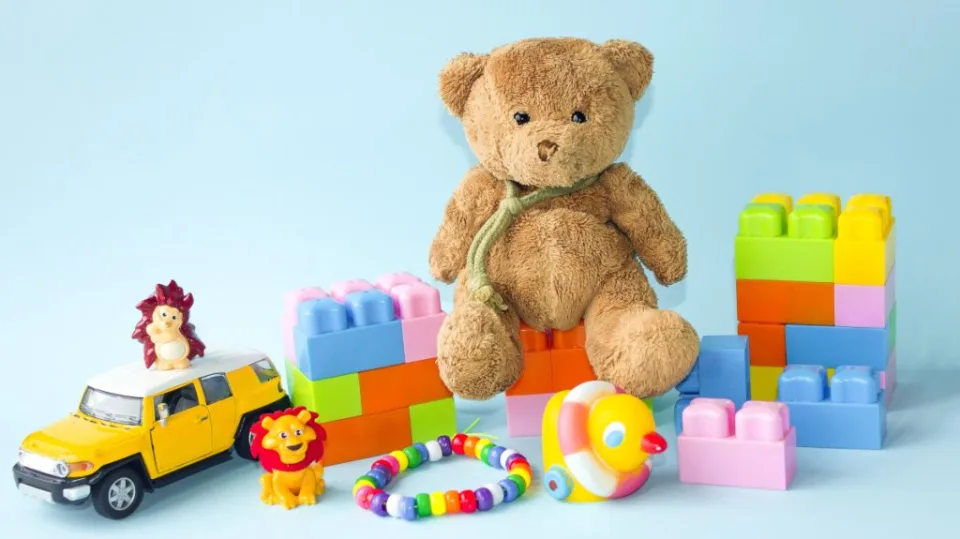
- Toddlers (1-3 years): Encourage motor skills and imaginative play. Building blocks, shape sorters, push-and-pull toys, and simple puzzles are beneficial.
- Preschoolers (3-5 years): Foster creativity, problem-solving, and social skills. Dress-up clothes, art supplies, pretend play sets, and more complex building toys are suitable.
- Early School Age (6-8 years): Support cognitive development, strategic thinking, and fine motor skills. Board games, science kits, craft sets, and advanced building systems become engaging.
- Tweens (9-12 years): Encourage independent learning, social interaction, and exploration of interests. More complex STEM toys, strategy games, art kits, and hobby-related items are appropriate.
Comparing Popular Toy Categories: A Deep Dive
To help you make the best choice, let's explore some of the most popular toy categories and compare their strengths:
1. Building & Construction Toys
Building and construction toys are timeless classics that offer a wealth of developmental benefits. They encourage spatial reasoning, problem-solving, fine motor skills, and creativity. Children learn to follow instructions, experiment with different designs, and develop a sense of accomplishment as they bring their creations to life.
Sub-Categories and Their Unique Benefits:
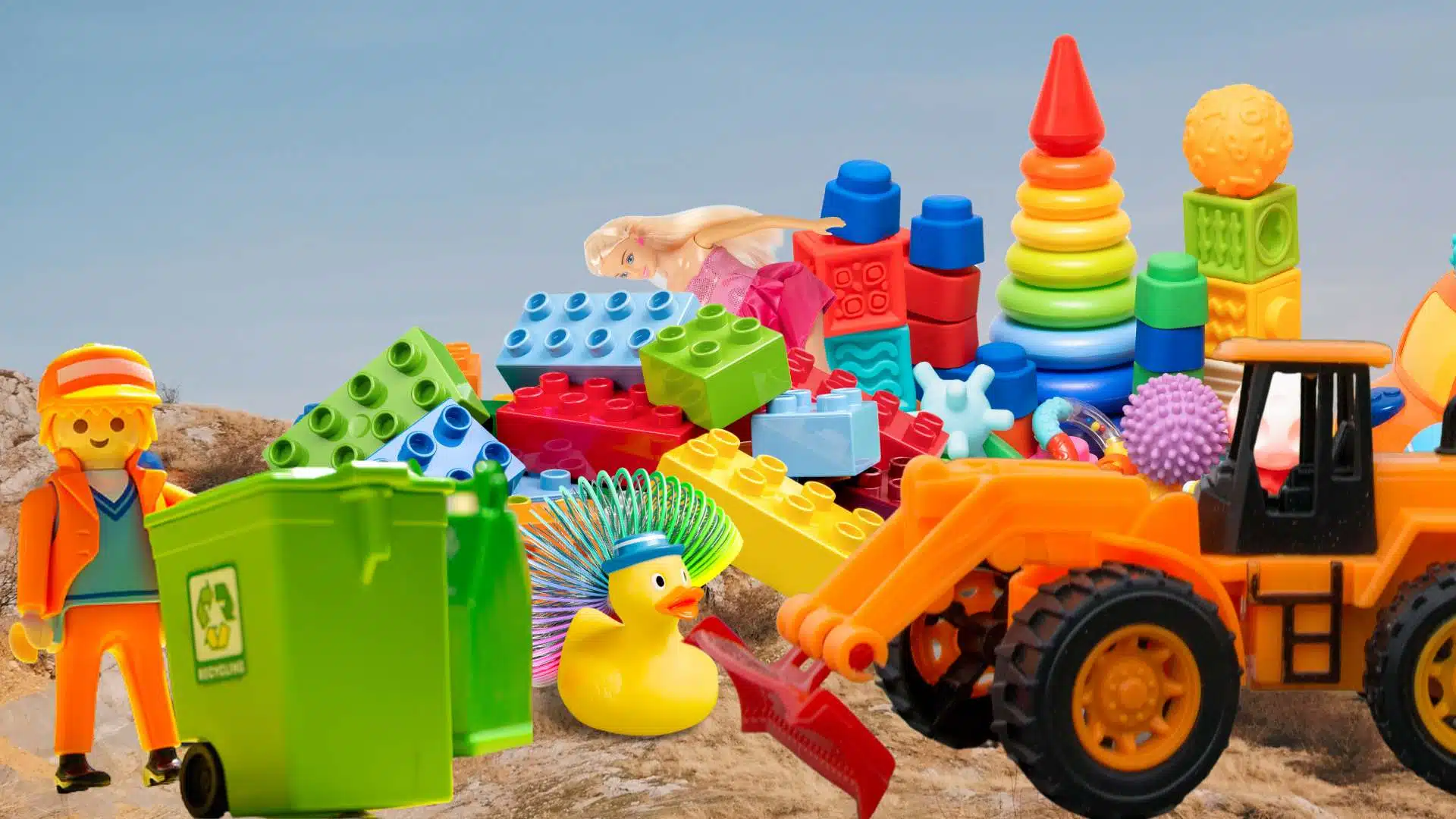
- Interlocking Blocks (e.g., LEGO, DUPLO): Excellent for developing fine motor skills, spatial awareness, and creativity. They offer endless possibilities for building anything from simple structures to elaborate scenes. DUPLO is specifically designed for younger children with larger, easier-to-handle pieces.
- Wooden Blocks: Offer a more tactile and natural building experience. They are great for developing fine motor skills, balance, and understanding of basic physics. Wooden blocks often encourage more open-ended, imaginative play.
- Magnetic Building Tiles (e.g., Magna-Tiles, PicassoTiles): Introduce children to geometric shapes and magnetic principles. They are easy to connect and allow for quick, impressive constructions, fostering creativity and an understanding of 3D structures.
- Construction Kits (e.g., Erector Sets, K'Nex): More complex and often require adult supervision for younger children. These kits teach children about engineering principles, mechanical concepts, and following detailed instructions. They can lead to building functional models.
Comparison Table: Building & Construction Toys
| Toy Type | Key Benefits | Age Suitability | Learning Focus | Potential Downsides |
|---|---|---|---|---|
| Interlocking Blocks | Creativity, fine motor skills, spatial reasoning, problem-solving | 1.5+ (DUPLO), 4+ (LEGO) | Engineering, design, imaginative play | Can be expensive, small pieces pose choking hazard for very young children (LEGO) |
| Wooden Blocks | Tactile exploration, balance, basic physics, imaginative play | 1+ | Open-ended play, creativity, sensory development | Less structured, may require more imagination to create specific objects |
| Magnetic Building Tiles | Geometric shapes, magnetism, 3D structures, quick construction | 3+ | Spatial reasoning, basic physics, creativity | Can be less durable than other types, magnets can be a choking hazard if broken |
| Construction Kits | Engineering principles, mechanical concepts, following instructions | 6+ (with supervision for younger) | STEM learning, problem-solving, fine motor control | Requires more patience and dexterity, can be frustrating if instructions are complex |
2. Pretend Play & Role-Playing Toys
Pretend play is fundamental for a child's social, emotional, and cognitive development. These toys allow children to explore different roles, scenarios, and emotions, fostering empathy, communication skills, and imagination. They are crucial for understanding social dynamics and developing a sense of self.
Examples and Their Developmental Impact:
- Dollhouses and Action Figures: Encourage storytelling, emotional expression, and social interaction. Children can create narratives, explore different relationships, and practice problem-solving within their imaginative worlds.
- Kitchen Sets and Food Toys: Promote imaginative cooking and serving, helping children understand daily routines, social roles, and basic concepts of nutrition. They can also develop fine motor skills through handling small items.
- Dress-Up Clothes and Accessories: Allow children to transform into different characters, fostering creativity, self-expression, and confidence. They can explore different identities and practice public speaking skills.
- Doctor Kits and Tool Sets: Help children understand professions, learn about the human body or tools, and reduce anxiety around medical visits or repairs. They encourage nurturing and problem-solving.
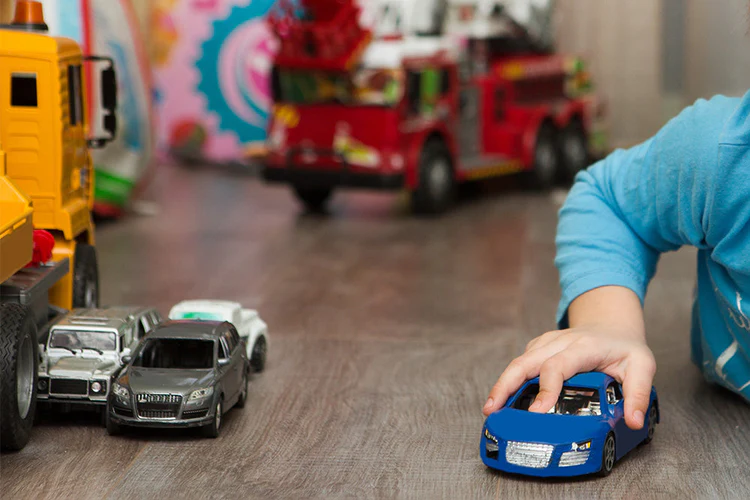
- Vehicle Sets (Cars, Trucks, Trains): Fuel imaginative journeys and help children understand cause and effect, basic physics (e.g., gravity, momentum), and transportation concepts.
Choosing the Right Pretend Play Toys:
- Consider the Child's Interests: What characters or scenarios does the child gravitate towards in books or on screen?
- Look for Durability and Safety: Ensure the toys are made from non-toxic materials and are sturdy enough for repeated play.
- Encourage Open-Ended Play: Toys that can be used in multiple ways offer more longevity and foster greater creativity.
3. Educational & STEM Toys
In an increasingly technology-driven world, STEM (Science, Technology, Engineering, and Mathematics) toys are gaining significant traction. These toys are designed to make learning fun and engaging, sparking curiosity and developing critical thinking skills, problem-solving abilities, and a foundational understanding of scientific and technological concepts.
Key STEM Toy Categories:
- Science Experiment Kits: Allow children to explore scientific principles through hands-on activities, such as making volcanoes, growing crystals, or conducting simple chemical reactions. These kits foster a love for discovery and scientific inquiry.
- Coding Toys and Robots: Introduce basic programming concepts in an accessible and playful way. Children can learn to sequence commands, solve logic puzzles, and develop computational thinking skills through interactive games and programmable robots.
- Math Manipulatives and Games: Help children visualize and understand mathematical concepts like counting, addition, subtraction, and geometry. Games can make practicing math skills enjoyable.
- Building and Engineering Kits (also listed above): Many construction toys have a strong STEM component, teaching principles of mechanics, physics, and design.
- Puzzles and Logic Games: Enhance problem-solving skills, spatial reasoning, and critical thinking. They require strategic planning and the ability to identify patterns.
Benefits of STEM Toys:
- Develops problem-solving and critical thinking skills.
- Encourages logical reasoning and computational thinking.
- Sparks curiosity and a passion for learning.
- Fosters creativity and innovation.
- Prepares children for future academic and career opportunities in STEM fields.
4. Arts & Crafts Supplies
Arts and crafts are essential for nurturing creativity, fine motor skills, and self-expression. These activities allow children to explore their imagination, experiment with different mediums, and develop a sense of accomplishment as they create their own unique masterpieces.
Diverse Range of Arts & Crafts:
- Drawing and Coloring Supplies: Crayons, colored pencils, markers, chalk, and sketchpads are fundamental for developing fine motor control and expressing ideas visually.
- Painting Supplies: Watercolors, acrylic paints, paintbrushes, and canvases offer a more immersive and sensory artistic experience.
- Modeling Clay and Play-Doh: Excellent for developing fine motor skills, spatial reasoning, and 3D creativity. Children can sculpt, shape, and create a variety of figures and objects.
- Craft Kits: Offer guided projects for various skills, such as jewelry making, bead weaving, sticker art, or mosaic creation. These kits can introduce new techniques and materials.
- Collage and Mixed Media Supplies: Glue, scissors, construction paper, fabric scraps, and found objects encourage experimentation and the creation of unique textures and compositions.
Tips for Setting Up an Art Space:
- Designate a specific area that can get messy.
- Provide easy access to supplies.
- Protect surfaces with a drop cloth or old newspapers.
- Encourage exploration and experimentation, rather than focusing solely on the final product.
5. Active Play & Outdoor Toys
Physical activity is vital for a child's overall health and development. Active play toys encourage gross motor skills, coordination, balance, and cardiovascular health. They also provide opportunities for social interaction and stress relief.
Categories for Movement and Exploration:
- Balls and Sports Equipment: Soccer balls, basketballs, footballs, and bats promote hand-eye coordination, gross motor skills, and teamwork.
- Ride-On Toys: Tricycles, scooters, and balance bikes help develop balance, coordination, and leg strength.
- Outdoor Play Structures: Swings, slides, and climbing frames provide opportunities for imaginative play, physical exertion, and risk assessment.
- Water Toys: Sprinklers, water guns, and inflatable pools are perfect for hot weather, promoting active play and sensory exploration.
- Jump Ropes and Hoops: Excellent for developing coordination, rhythm, and cardiovascular fitness.
Safety Considerations for Outdoor Play:
- Ensure helmets and protective gear are worn when necessary.
- Supervise children during active play, especially with ride-on toys or play structures.
- Check equipment for wear and tear regularly.
- Choose toys appropriate for the child's age and skill level.
Making the Right Choice: A Holistic Approach
When selecting toys, it's beneficial to consider a balanced approach that incorporates various categories. A child who has a diverse range of toys is more likely to develop a well-rounded set of skills and interests.
Key Factors to Consider:
- Child's Age and Developmental Stage: As discussed, this is the most critical factor.
- Child's Interests: What naturally captivates their attention?
- Durability and Safety: Invest in well-made toys from reputable sources.
- Open-Ended vs. Specific Play: While some toys have a clear purpose, open-ended toys allow for more creativity and longevity.
- Educational Value: Does the toy offer opportunities for learning and skill development?
- Longevity and Replayability: Will the toy remain engaging over time?
- Budget: Toys can range significantly in price. Consider the value and developmental benefits relative to the cost.
Ultimately, the best toys are those that spark joy, encourage exploration, and support a child's growth and development. By understanding the unique benefits of different toy categories and considering the individual needs of the child, you can make informed decisions that contribute to a happy and enriching childhood.